Run Clubs Have Become Asia's New Urban Social Network
Free, weeknight and built around a group chat rather than a gym membership — run clubs have quietly become the social infrastructure Asia's cities didn't plan for.
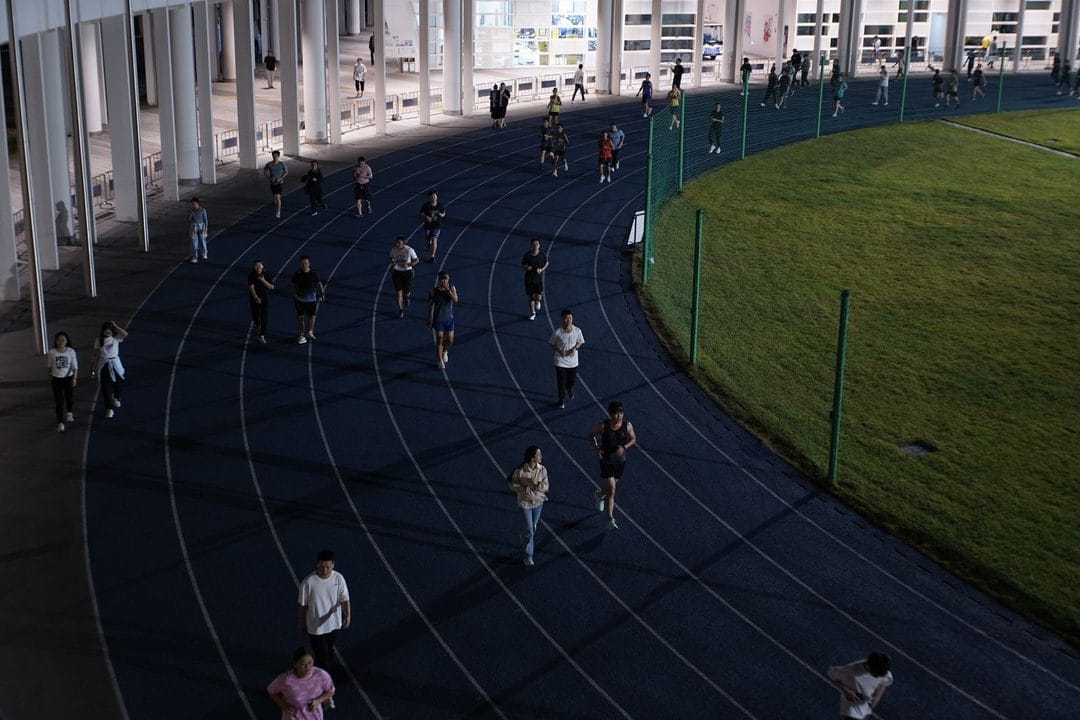
Half past six on a Wednesday evening outside a specialty coffee shop in Seoul's Seongsu-dong, and roughly sixty people in matching bibs are stretching on the sidewalk before a five-kilometre loop through the neighborhood. Someone's phone is playing a playlist through a portable speaker. A guy in his late twenties who works in fintech is explaining pacing groups to a woman who showed up for the first time tonight. Nobody here is training for anything in particular — most of them will end the run at a bar two blocks over, splitting a round of beer and tteokbokki, phones out for the group photo before anyone's fully caught their breath.
This is a run club, and in the past three years it has become the defining social ritual for Asia's twenty- and thirty-something urban professionals in a way that gyms, dating apps and even coffee shops haven't quite managed. Seoul has dozens of them now. So does Taipei, Singapore, Bangkok, Manila and increasingly Ho Chi Minh City — loosely organized, usually free to join, built around a WhatsApp or KakaoTalk group chat and a recurring weeknight meeting point rather than any formal club structure.
Why running, and why now
Nike Run Club and Adidas Runners seeded the format years ago with branded weekly sessions in flagship cities, and both still pull solid numbers — Adidas Runners Manila regularly draws over a hundred people to its Thursday sessions at Bonifacio Global City. But the format that's actually exploded isn't the brand-run session. It's the independent crew, usually founded by three or four friends who started posting their weekend runs on Instagram and watched a group chat balloon from twelve people to four hundred within a year. Some of the bigger Seoul crews now run recruitment waitlists, screening new members through a short application just to keep the weekly pace groups from becoming unmanageable.
Part of the appeal is blunt economics. A gym membership at a mid-range Seoul chain runs ₩80,000–150,000 a month; joining a run club costs nothing beyond a pair of shoes you probably already own. In Bangkok, where rooftop gym memberships at serviced apartments can run 3,000–5,000 baht monthly, a free Tuesday-night 5K loop through Lumpini Park with forty strangers is simply a better use of a weeknight for anyone whose budget doesn't stretch to premium fitness membership. And unlike a gym floor, a run club front-loads the thing most people actually move to a new city hoping to find: a ready-made social circle that doesn't require the slow-burn awkwardness of making friends through work or dating apps.
The coffee-shop-to-bar pipeline matters more than the running itself for a meaningful slice of participants — and organizers know it. Several Taipei crews now explicitly partner with a specific café for pre-run espresso and a specific bar for post-run drinks, turning what looks like a fitness meetup into a recurring, sponsor-friendly social event with running as the entry fee.
The cities doing it differently
- Singapore's scene skews more competitive, with several clubs organizing structured interval sessions around the Marina Bay and East Coast Park loops, and a genuine local racing calendar feeding into it
- Bangkok's biggest crews meet after dark specifically to dodge the heat, turning Lumpini Park into a loop of headlamps and reflective vests by eight in the evening
- Manila's BGC-centered scene has folded run clubs into the broader "wellness influencer" economy, with several crews now functioning as informal talent pools for local activewear brands
- Ho Chi Minh City's clubs are newer and smaller, but growing fast enough that three separate crews have opened in District 2 alone over the past eighteen months
Seoul's version deserves its own paragraph, because the culture there has pushed further into aesthetics than anywhere else in the region — matching kits, professionally shot photo dumps within hours of a run ending, a genuine fashion-adjacent identity that's earned the scene its own slang term, "runningcore," referring to the specific combination of vintage windbreakers, running shorts and chunky trainers that's now visible well beyond actual runners.
The part organizers don't advertise
Not every crew is as welcoming as the Instagram photos suggest. Several of the larger, more visible clubs have developed an unofficial pecking order around pace groups, where the front group gets first pick of the post-run bar seating and the back-of-pack joiners quietly stop showing up after a few weeks of feeling like an afterthought. A founder of one mid-sized Bangkok crew admitted, off the record, that retention past the third session is the real challenge nobody talks about publicly — the first run is easy to sell on novelty, the tenth run needs an actual reason to keep coming back.
That reason, more often than not, ends up being social rather than athletic. Ask around at any of these Wednesday-night meetups and you'll find plenty of members who couldn't tell you their 5K time but could tell you exactly which three people from the group chat they've grabbed dinner with outside of running hours. The running is real — legs get tired, shoes wear out, people do post marathon times eventually — but it's functioning as the on-ramp to something the cities themselves haven't built enough of: a low-cost, low-commitment way for people who moved somewhere alone to end up, six months later, with a group chat that feels like a neighborhood.
What it costs cities that don't have it yet
Urban planners in the region have started paying attention for reasons that go beyond fitness policy. A run club needs almost nothing from the city that hosts it — a park loop, decent lighting, a nearby café willing to open a little earlier — which makes it one of the cheapest pieces of social infrastructure a neighborhood can accidentally generate. Compare that to the capital cost of a proper community center, and it's obvious why district offices in Seoul and Taipei have quietly started supporting the bigger crews with permits and, in a few cases, small event grants, treating them less like a fitness trend and more like something closer to civic infrastructure that happened to show up wearing running shoes.