Seongsu-dong: How Seoul's Old Shoe District Became Asia's Most Photographed Street
A defunct shoe-factory quarter in eastern Seoul now pulls more Instagram traffic than Gangnam — and the shoemakers who built it are being priced out of it.
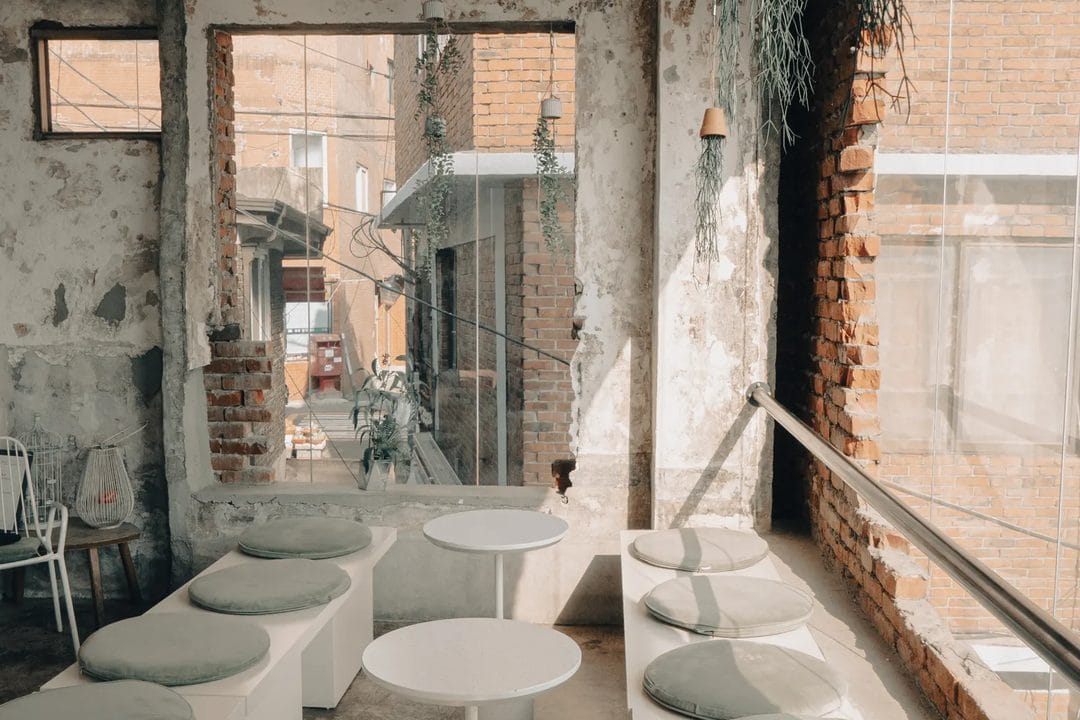
Ten years ago, the only reason to get off at Seongsu Station was to buy a pair of hand-stitched leather shoes at half the price you'd pay in Myeongdong. Today you get off at the same station and queue behind thirty people photographing a concrete stairwell for their feed. Somewhere between those two facts is the story of how a district built on rubber soles and tanning glue became the neighbourhood every design-conscious visitor to Seoul now puts before Hongdae.
From Tannery Alley to Backdrop
Seongsu-dong sits on the east bank of the Han River, wedged between Ttukseom and the Han River Park, and for most of the twentieth century it was one of Seoul's least glamorous corners. Small family-run workshops turned out handmade leather shoes here by the thousands, supplying department stores across the city under labels nobody outside Korea had heard of. The Seongsu Handmade Shoe Street still exists — a stretch of shopfronts near Seongsu Station where craftsmen in their sixties and seventies cut and stitch leather in workshops barely bigger than a parking space, some of them running the same business since the 1970s. That industrial backbone, low rents and blocky brick warehouses built for machinery rather than people, is exactly what made the district irresistible once cafe owners and architects started looking for raw space in the mid-2010s.
The pivot point most locals point to is Daelim Changgo, a former warehouse-turned-cafe that kept its cracked concrete floors, exposed rebar and loading-dock doors instead of renovating them away. It opened in 2011 and by the time it hit peak Instagram virality around 2015–2016, it had done more to put Seongsu on the map than any tourism campaign. Common Ground followed a few years later — a shopping complex built almost entirely from stacked shipping containers, which sounds like a gimmick until you're standing in the middle of it on a Saturday night with a line of teenagers waiting for bubble tea. Between them, these two buildings taught a generation of Korean retail brands a lesson: don't hide the factory, sell the factory. Architects who worked on later Seongsu projects have said as much in local design press — the brief, more often than not, was to expose what was already there rather than build something new on top of it. That approach is cheaper than a full renovation too, which is partly why so many small operators could afford to try it before the big brands ever noticed the neighbourhood existed.
The Brands Followed the Photographers
What happened next was predictable if you've watched this pattern play out in Williamsburg or Shoreditch, but it happened faster in Seongsu than almost anywhere else. Nike opened one of its most elaborate Asia-Pacific concept stores in the district, wrapping a converted industrial building around a members-only lounge and rotating art installations rather than a standard shoe wall. Fashion resale platforms, streetwear labels and at least two major cosmetics brands have since built flagship spaces designed less to sell product on the spot and more to generate the kind of five-second video clip that travels on its own. Seongsu Yeonbang, a renovated rubber-factory complex now housing food stalls, a florist and a bookshop under one roof, does the same trick with a gentler, more market-like feel — it's worth the walk even on a weekday afternoon when the bigger flagship stores feel staged.
Skip the flagship stores that only sell one product line dressed up as an "experience" — most of them rotate their installation every six to eight weeks anyway, so whatever drew you there on Instagram will likely be gone by the time you land. Go instead for the independent roasters that never needed a marketing department to survive: Zapangi, tucked into an old factory shell with its roaster visible from the street, and Terarosa's Seongsu branch, which sources beans directly and roasts on-site in small batches. Both built their reputation on the coffee, not the concrete, and that distinction still matters here even as the district gets more crowded by the season.
The Rent Story Nobody Puts on a Postcard
Commercial rents on the blocks near Seongsu Station have climbed sharply enough over the past several years that local brokers now mention the district in the same breath as Apgujeong's Rodeo Street — a comparison that would have sounded absurd a decade ago, when Seongsu was still mostly auto-repair shops and shoe factories.
That climb has a cost, and it's not an abstract one. Several of the shoemakers on the original Handmade Shoe Street have shut down or relocated to cheaper blocks further from the station, unable to absorb lease renewals priced for a flagship-store tenant rather than a family cobbler. Seoul's city government has run support programmes aimed at keeping the shoe-street tradition alive — subsidised rents, joint marketing, heritage-district branding — but workshop owners interviewed by local Korean press over the past two years describe the help as arriving slower than the rent increases. It's the same tension playing out from Brooklyn to Shibuya: the very grit that made a neighbourhood interesting becomes the thing priced out once enough people notice it. Talk to a shoemaker who's been on that street for thirty years and you'll get a version of events that has nothing to do with concrete floors or container malls — just rising costs, ageing hands, and fewer apprentices willing to learn a trade that no longer pays what a barista job two doors down does. That's the part of the Seongsu story visitors rarely see, because it's not the part anyone photographs.
What Still Feels Like the Old Seongsu
Not everything has flipped. A handful of streets running parallel to the main tourist strip — particularly the blocks closer to Seongsu Middle School — still have the workshop-and-hardware-store texture the district was known for before any of this started, and a few of the original leather ateliers still take custom orders if you're willing to wait two to three weeks and pay roughly what you'd pay for mid-range shoes in London or Milan. Ask around at the shoe street rather than booking online; most of these workshops don't have a website worth finding.
- Daelim Changgo — the original warehouse cafe that started the whole shift, still worth fifteen minutes even if you've seen the photos a hundred times
- Common Ground — the container mall, best visited in the early evening before the crowds peak
- Seongsu Yeonbang — food stalls and small shops inside a former rubber factory, less staged than the flagship stores nearby
- Zapangi and Terarosa Seongsu for coffee that predates the neighbourhood's Instagram phase, and honestly tastes better for it
- The shoe street itself deserves a slower visit than most people give it — go in the morning, when the workshops are open and there's still room to actually talk to the people working in them
Getting There and Timing It Right
Seongsu Station sits on Seoul Subway Line 2, roughly fifteen minutes from Gangnam and about twenty from Hongdae, which is part of why the district absorbed foot traffic so quickly once word got out. Weekday mornings are the only reliable window for photographing the warehouse cafes without a queue; by early afternoon on any Saturday, Daelim Changgo's courtyard is standing-room only and Common Ground's food court has a twenty-minute wait for a table. Go on a Tuesday instead. You'll get the same concrete stairwells, the same roasters, and none of the people currently blocking your view of them.
Pair It With Seoul Forest
Seoul Forest sits a fifteen-minute walk north of the main cafe strip, and it's the one part of any Seongsu itinerary that costs nothing and never gets crowded the way the shopping streets do. The park was built on reclaimed industrial land in 2005 — itself a smaller, earlier version of the same transformation the surrounding neighbourhood went through a decade later — and its deer enclosure and riverside cycling paths make it the natural place to end a day that started with concrete and espresso. Rent a bike from one of the docking stations near the park entrance rather than walking the full loop; the paths run right along the Han River and connect back toward Ttukseom in under twenty minutes, which beats fighting the crowds back through the shopping streets at dusk.