The Asian Convenience Store at 3 AM: Tokyo, Seoul, Taipei After Dark
Tokyo, Seoul and Taipei have one convenience store for every 1,200 to 1,800 residents. They are not just shops. They are the most underrated late-night public infrastructure in any Asian city.
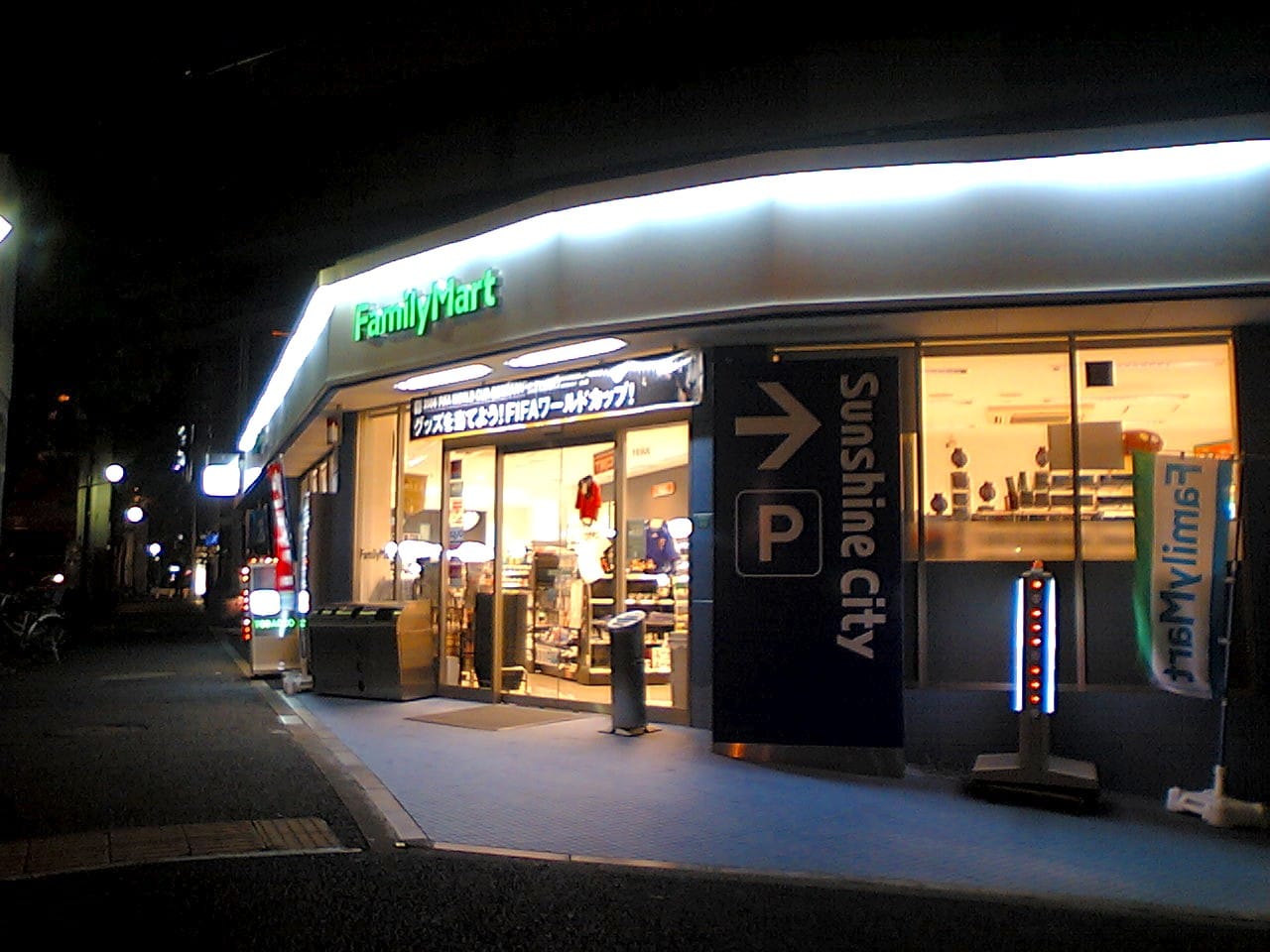
Walk through Shinjuku at three in the morning and the streets are not empty. They are not even quiet. They are softly lit, populated by salarymen, students, hospital workers, taxi drivers, and a steady trickle of foreigners who have realised something the rest of the world has not: the Asian convenience store, particularly the East Asian convenience store, is the most underrated piece of public infrastructure in any major city. It is open. It is bright. It is safe. It serves real food. And it operates as a form of social space that no Western equivalent comes close to replicating.
The Density Question
Tokyo has roughly one convenience store for every 1,800 residents. Seoul is denser still, with one for every 1,200. Taipei sits between the two. Compare this to Manhattan, where 7-Eleven density is roughly one store per 6,000 residents, or central London, where dedicated 24-hour convenience stores in the East Asian sense barely exist. The numbers explain something tourists notice intuitively: in East Asian cities, you are never more than five minutes' walk from a clean, well-staffed, fully stocked store.
What the Stores Actually Do
The 7-Eleven, Lawson, FamilyMart, GS25, CU and Family Mart of East Asia are not analogous to Western convenience stores. The food selection is closer to a small supermarket-cafeteria hybrid: hot meals prepared in-store, cold lunches refreshed twice daily, freshly made coffee from machines that would not embarrass a third-wave cafe. The non-food utilities are the surprising part. You can pay your taxes, ship a parcel, print documents, top up your transit card, settle utility bills, withdraw cash from an interbank ATM, and now in some Korean stores receive prescription medication.
What an Asian Convenience Store Replaces
- The Western late-night diner, in food and seating function
- The neighbourhood post office, for parcel pickup and shipping
- The corner bodega, with vastly more inventory
- The coffee shop, especially before 7 AM and after 10 PM
- The print shop, for document services
The Late-Night Social Function
What makes the East Asian conbini matter is not the inventory but the role. At 3 AM in a typical Western city, you have very few options for being out of your apartment in a public, comfortable, safe, well-lit space. In Tokyo, you have thousands. The 24-hour Lawson with its three-seat counter by the window is not a destination, but it is a perfectly legitimate way to spend twenty minutes when you cannot sleep, or when your shift ends at an inconvenient hour, or when you simply want to be around other quiet humans without being asked to perform.
The cultural posture matters. Staff do not push you to leave. Eating onigiri at the standing counter is normal, expected behaviour. Single diners are the majority of late-night customers. Loud groups are gently asked to keep it down. Taxi drivers cycle through. Students study at the window seats. The store does not exist to extract maximum revenue per square foot. It exists to be present.
Seoul vs Tokyo vs Taipei
The cultures of the three cities show through their stores. Tokyo's Lawson and 7-Eleven are quietly exceptional in food quality, with rotating regional limited editions and a famous attention to onigiri rice texture. Seoul's GS25 and CU lean younger and louder, with branded merchandise drops, soju and beer prominent, and a dedicated section for the country's famous instant ramyeon. Taipei's 7-Eleven and Family Mart sit between the two, with a strong presence of warming Taiwanese tea-eggs, sweet potatoes baking near the door, and stout local staples like braised pork over rice.
Why Western Cities Cannot Easily Copy This
The model depends on three things that most Western cities have lost or never had. Ultra-dense urban form, with stores serving dense apartment populations within a five-minute walking radius. Reliable, low-friction wage labour for the staff side. And, crucially, a level of public order that lets a store stay genuinely open all night without devolving into a flashpoint. Tokyo, Seoul and Taipei have all three. New York, London and Paris no longer reliably do.
The Tourist Lesson
The simplest piece of advice for any visitor to Tokyo, Seoul or Taipei is to spend time in convenience stores at strange hours. Not just to buy food, but to notice the ecology. The salaryman with a single small bottle of sake. The university student with two cup ramen and a textbook. The taxi driver eating warmed-up oden by the door. The store is the city in miniature, distilled to its essential rhythm. It is also, quietly, one of the things visitors miss most when they go home.
What Will Change
The next decade will probably reshape these stores. Self-checkout is already widespread in Tokyo and rolling out fast in Seoul. Drone delivery from store warehouses is being piloted in suburban Tokyo and central Taipei. AI-driven inventory rebalancing has shortened in-store food shelf life dramatically without raising waste. None of this will change the underlying social function. As long as the lights stay on at 3 AM, the conbini will keep being what it is: the city's most reliable companion.