The 24-Hour Gym Changed Asian Fitness Culture More Than Any Equipment Ever Did
When gyms started staying open all night, Asian cities didn't just gain late-night workout options — the whole relationship between urban professionals and exercise shifted. Here's how it happened.
The Shift That Happened After Midnight
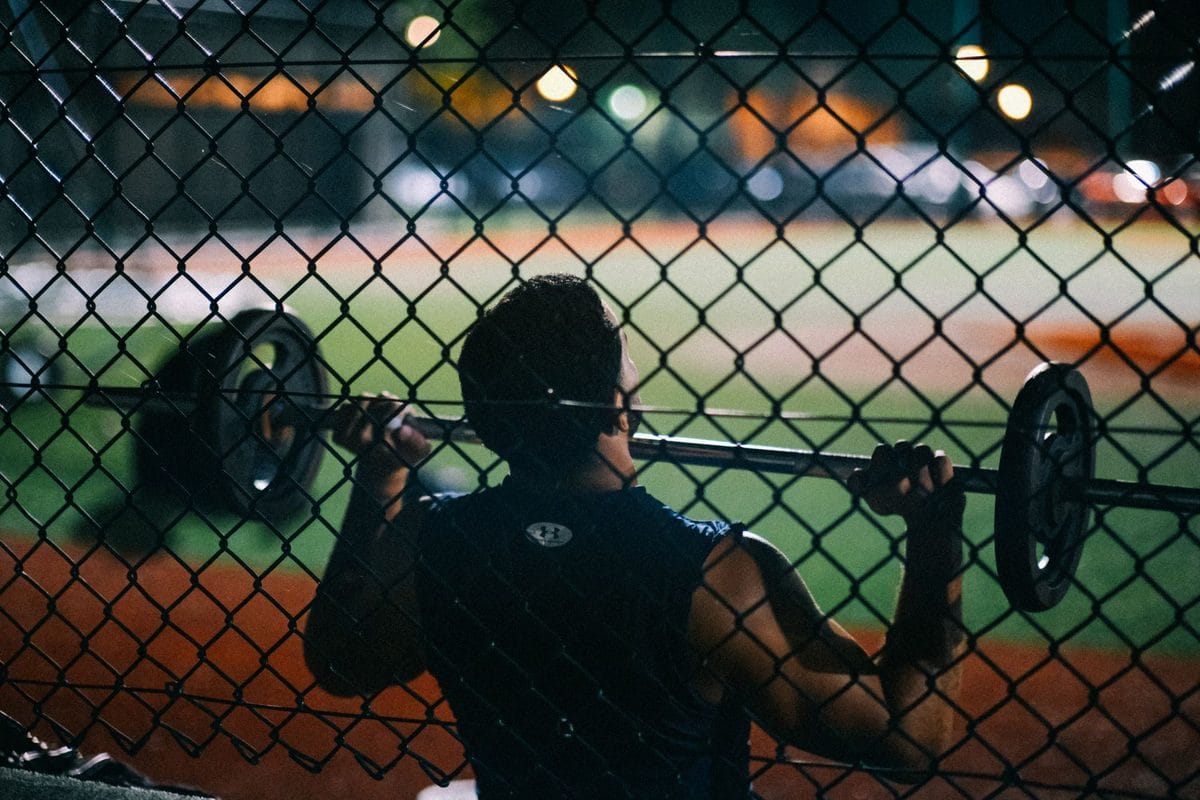
Walk past a gym in Singapore's CBD at 1am and you'll see people squatting under fluorescent lights, earphones in, completely alone or in small groups of two or three. The same scene repeats in Tokyo's Shinjuku, in Bangkok's Silom, in Seoul's Gangnam — the late-night gym has become one of the defining features of urban fitness culture across Asia in a way that simply didn't exist fifteen years ago. The first wave of 24-hour gyms arrived in Asia primarily through franchise expansion, but what happened next was more interesting: they exposed an unmet demand that no one had quantified.
Fitness culture across Asia's major cities has always had a night-owl quality, driven partly by office culture — the expectation that you stay late, that leaving before 8pm signals insufficient dedication — and partly by the urban heat that makes outdoor exercise genuinely uncomfortable from May through September across most of tropical Southeast Asia. When gyms could only be accessed between 6am and 10pm, a large portion of working professionals simply couldn't make a consistent routine fit their schedule. The 24-hour model didn't create the demand; it removed the scheduling obstacle that had been blocking it.
Tokyo Made It Systematic
Japan's fitness industry worked out the operational model that most of Asia subsequently copied. Konami Sports and JOYFIT both run 24-hour facilities that use automated entry systems — a member card or app scan at the door, no staff required overnight — which eliminates the overnight labour cost that made late-night gym operations financially unworkable in earlier decades. The equipment is standardised, the cleaning schedule shifts to early morning before peak hours, and the overnight crowd self-selects toward people who genuinely know what they're doing and don't need supervision.
What emerged in Tokyo's 24-hour gyms was an unexpected social layer. The 11pm–2am window at a Joyfit or 24/7 Workout in Shinjuku or Shibuya draws a consistent crowd: nurses and hospital staff coming off shifts, bartenders and restaurant workers finishing service, the occasional programmer or finance analyst who treats the late gym session as the one reliable decompression ritual in an otherwise unpredictable schedule. These people rarely interact with each other during standard business hours, and the shared space creates a quiet solidarity that daytime gyms don't replicate.
Singapore and the Premium Version
Singapore took the 24-hour concept and pushed it upmarket. Virgin Active's Singapore locations operate extended hours, and the Anytime Fitness franchise — which entered Singapore in the early 2010s — expanded aggressively across heartland neighbourhoods as well as the CBD, deliberately locating near MRT stations to capture commuter traffic at both ends of the workday. Monthly membership at Anytime Fitness Singapore runs SGD 70–90 for standard access, which is competitive for a no-frills facility in a city where a hawker meal costs SGD 4–6.
The premium end has also evolved. Several boutique 24-hour gyms in Singapore and Hong Kong now operate on an entirely different model — high-end equipment, private training pods available round the clock, monthly fees that reach SGD 300–500, and a client base that is explicitly using the facility as a combination of gym and private office during odd hours. These gyms serve a small market but a genuinely underserved one: business travellers, executives, and anyone whose schedule is irregular enough that the concept of a fixed class time is structurally incompatible with how they actually live.
Bangkok's Particular Version
Bangkok's 24-hour gym scene has a distinct character that reflects the city's specific rhythms. The city runs late even by Asian standards — restaurants fill after 9pm, clubs after midnight — and the gym chains that have thrived here, including Fitness First's 24/7-access locations and the local Jetts franchise, have tilted their facility design toward recovery and conditioning work rather than the cardio-heavy layouts that dominate in Tokyo. Sauna access, cold plunge installations and massage chairs are standard equipment at Bangkok premium gyms in a way they're not at equivalent facilities in Singapore or Hong Kong.
This is partly cultural — Thai wellness culture has a long tradition of physical recovery as a serious practice, not merely an add-on — and partly practical. When the ambient temperature outside is 34 degrees and humidity is 80 percent at midnight, the contrast of a cold plunge after a hard session becomes genuinely therapeutic rather than aspirational. The gyms that figured this out early built consistent memberships while newer entrants focused on equipment variety missed the point.
What Actually Changed
The 24-hour gym's deepest impact on Asian fitness culture isn't the late-night crowd — it's the psychological shift it produced in how people think about exercise as a schedulable activity. When gym access became time-independent, fitness stopped being a block in a calendar and became something closer to a standing option, always available, the decision deferred to the moment rather than planned a week in advance. This suits the actual pattern of urban professional life in Asia better than the structured class-and-schedule model that dominated before, and the membership retention rates at well-run 24-hour facilities in Singapore and Tokyo reflect it.
The cities where 24-hour gym culture is now entrenched — Tokyo, Singapore, Seoul, Bangkok — show a consistent pattern: late-night gym traffic is densest within a kilometre of transit hubs and in the specific residential neighbourhoods where working hours are longest. The gym followed the city's actual schedule, not the other way around, and the fitness routines that formed around that access are more durable for it.