The Bathhouse Never Closed: Why Asia's Sento and Jjimjilbang Still Anchor City Social Life
Apartments all have bathrooms now, yet Asia's sento and jjimjilbang keep their doors open. The reason has little to do with washing.
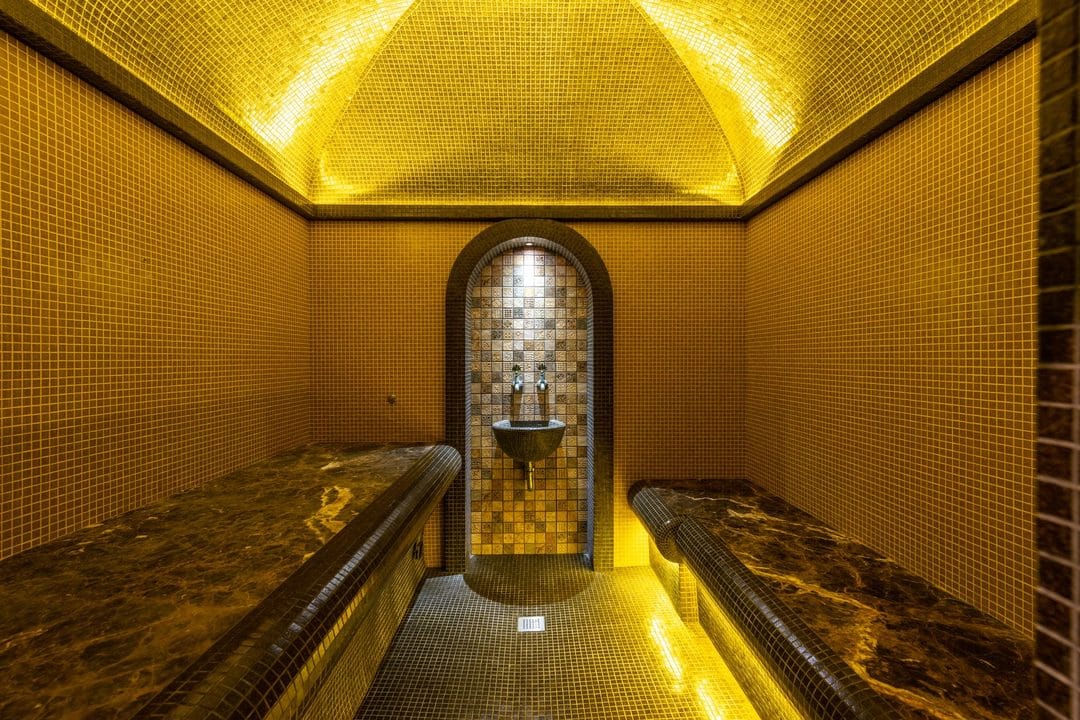
Long before a neighbourhood had a community centre, a coffee chain or a co-working floor, it usually had somewhere to get clean. In much of urban Asia that place was the public bath, and a surprising number of them are still standing, still steaming, and still doing far more social work than their plumbing would suggest.
A building that outlived its original job
Public bathhouses spread through Asian cities in an era when most homes did not have a private bathroom. The Japanese sento, the Korean jjimjilbang, and their cousins across the region existed for a blunt practical reason. People needed hot water, and it was cheaper to heat one large tank than a hundred small ones.
That reason has mostly disappeared. Apartments come with their own bathrooms now, and the daily walk to the bath should, in theory, have ended decades ago. Yet the buildings persist, which tells you the bath was never only about washing.
What you actually buy at the door
Pay the entry fee at a busy jjimjilbang and you are not really renting a shower. You are renting a few hours inside a space with almost no rules about what you have to do. You can sleep on a heated floor, eat a boiled egg, watch television, sweat in a kiln-like sauna room, or simply sit and say nothing to anyone. There is no minimum spend ticking in the background, no expectation that you order a second drink to justify the chair.
This is rarer in a city than it sounds. Most indoor places that stay warm and let you linger want money in exchange for the lingering. The bathhouse asks for it once, at the front, and then leaves you alone.
The great social leveller
There is also the matter of clothing, or the lack of it. In the bathing areas everyone is stripped of the uniforms that usually signal status, the suit, the logo, the handbag. A senior manager and a delivery rider share the same hot pool with no way to tell which is which. Regulars often describe this flattening as the real appeal, more than the heat itself.
- No dress code to perform, because there is no dress.
- No table to defend or conversation you are obliged to keep going.
- A price that does not rise with the hours you stay.
Pressure from the modern city
None of this guarantees survival. Rising fuel costs hit a business whose entire model is heating water. Ageing owners retire and find no one willing to take over the long, wet, physical hours. Land in a central district is often worth more as an apartment block than as a bath, and the maths is hard to argue with.
Many older baths have closed for exactly these reasons, and the closures tend to be quiet. A handwritten notice goes up, the chimney goes cold, and a place that several generations passed through becomes a construction hoarding within a month.
The ones that adapt
The survivors have generally done one of two things. Some have leaned into nostalgia, keeping the tiled murals and the old wooden lockers and attracting younger visitors who treat the visit as a small ritual rather than a chore. Others have scaled up into sprawling complexes with cinemas, restaurants and overnight sleeping halls, turning the bath into the anchor of a much larger indoor day out.
Both routes work, and both quietly preserve the same thing: a warm room in a dense city where you are allowed to exist without spending more or explaining yourself.
Why it still matters
Cities spend a great deal of effort building places for people to gather, and many of them sit empty because they were designed around an activity rather than around comfort. The bathhouse never had that problem. It started with the simplest possible draw, warmth and water, and let everything social grow on top of it.
That may be the quiet lesson hiding behind the steam. The most durable public space is not the one with the cleverest programming. It is the one that gives a tired person somewhere to be, for a long time, for a single small fee, with nothing further required of them.