The Room Under the Road: How Asian Cities Are Reclaiming the Space Beneath Their Flyovers
Across Bangkok, Seoul and Tokyo, the shaded ground beneath elevated expressways and rail viaducts is becoming some of the most usable public space in dense Asian cities.
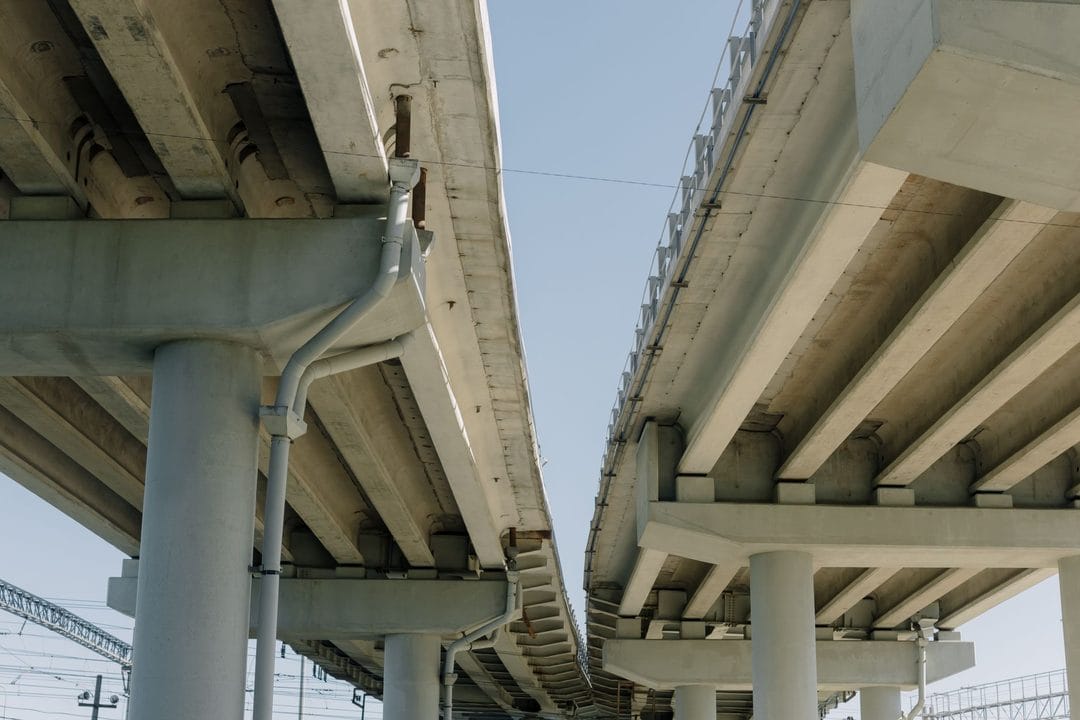
Look up almost anywhere in urban Asia and there is a concrete ribbon overhead — an elevated expressway, a metro viaduct, a flyover stitched through the city decades ago to move traffic above the crowds. For most of the twentieth century the land underneath it was treated as a write-off: a shadowed strip good for parking, storage, or nothing at all. That assumption is quietly being abandoned, and the space beneath the city has become one of the most interesting frontiers in Asian urban life.
The shift is easy to miss because it happens in fragments. A badminton court appears under a viaduct in Bangkok. A pocket of skate ramps and a coffee cart settle beneath a Seoul overpass. A row of plant nurseries colonises the dim corridor below an expressway in Guangzhou. None of it announces itself the way a glossy waterfront redevelopment does, and that is exactly the point — this is the city using what it already has, rather than waiting for a budget to build something new.
The accidental room the city already owns
What makes the under-flyover space so usable is also what made it ignored for so long: it is covered, it is already paved, and it belongs to the public. In a region where the sun is punishing for half the year and the monsoon arrives on schedule, a roof you did not have to pay for is worth more than any architectural flourish. The columns that hold the road up become goalposts, climbing walls, mural canvases. The shade that drivers never think about becomes the reason a night badminton league can run year-round.
Bangkok has leaned into this harder than most. Beneath sections of its expressway network, the city and local groups have carved out futsal pitches and exercise areas that fill up after dark, when the heat finally breaks and the overhead road hums with traffic nobody below pays attention to. The noise is real, the air is not pristine, and yet the courts are busy — because the alternative for many residents is no open space at all.
Seoul, Tokyo, and the design of leftover space
Seoul approached the idea with more polish. The city has a long habit of reclaiming infrastructure — it tore out an elevated highway to daylight the Cheonggyecheon stream years ago, and the Seoullo 7017 turned an old overpass into a planted walkway. The under-bridge work is the less photogenic cousin of those projects, but it follows the same instinct: the structure is already there, so use the void it creates.
Tokyo, where land is scarce to the point of absurdity, has long tucked life into the arches and undersides of its rail viaducts. The kissaten and tiny bars wedged beneath the Yamanote line are part of the city's texture, and newer redevelopments have deliberately fitted out viaduct space with design studios, bakeries, and standing bars. The lesson Tokyo offers the rest of the region is that "leftover" space stops being leftover the moment someone treats it as an address rather than a gap.
There is a catch, and it is worth being honest about. Not every under-flyover conversion works. Some become wind tunnels of dust and exhaust; others are reclaimed for a season and then abandoned when the lighting fails or the maintenance budget evaporates. The spaces that last tend to share three unglamorous things: decent lighting, a community that actually programmes the place, and drainage that keeps it from flooding in the first heavy rain.
Why this matters more in Asia than anywhere else
Asian cities are dense in a way that leaves little slack. When a neighbourhood has no room for a new park, the question is not where to build one but what existing space can be repurposed — and the kilometres of shaded, public, already-paved ground under the region's elevated roads are an obvious answer that planners overlooked for a generation. A single viaduct can run for kilometres, threading through districts that have no other open ground.
The aspiration here is not grand. Nobody is pretending a futsal pitch under an expressway rivals a riverside promenade. What it offers is something more useful for daily life: a place to move, gather, and cool off that is a five-minute walk from home and open when the rest of the city is closed. The most liveable version of the Asian megacity may turn out to be the one that finally noticed the room it had been standing under the whole time.
Walk through any of these spaces on a humid June evening and the appeal is obvious before anyone explains it. Kids on bikes, an old man practising tai chi, a coffee cart, the slap of a shuttlecock — all of it under a road that, until recently, the city thought of as the only thing worth using.