The Asian Neighbourhood Morning: Why the First Hour of an Asian City Is Its Best Hour
The first hour of an Asian city is its most honest hour, told through eight neighbourhoods from Tokyo to Singapore.
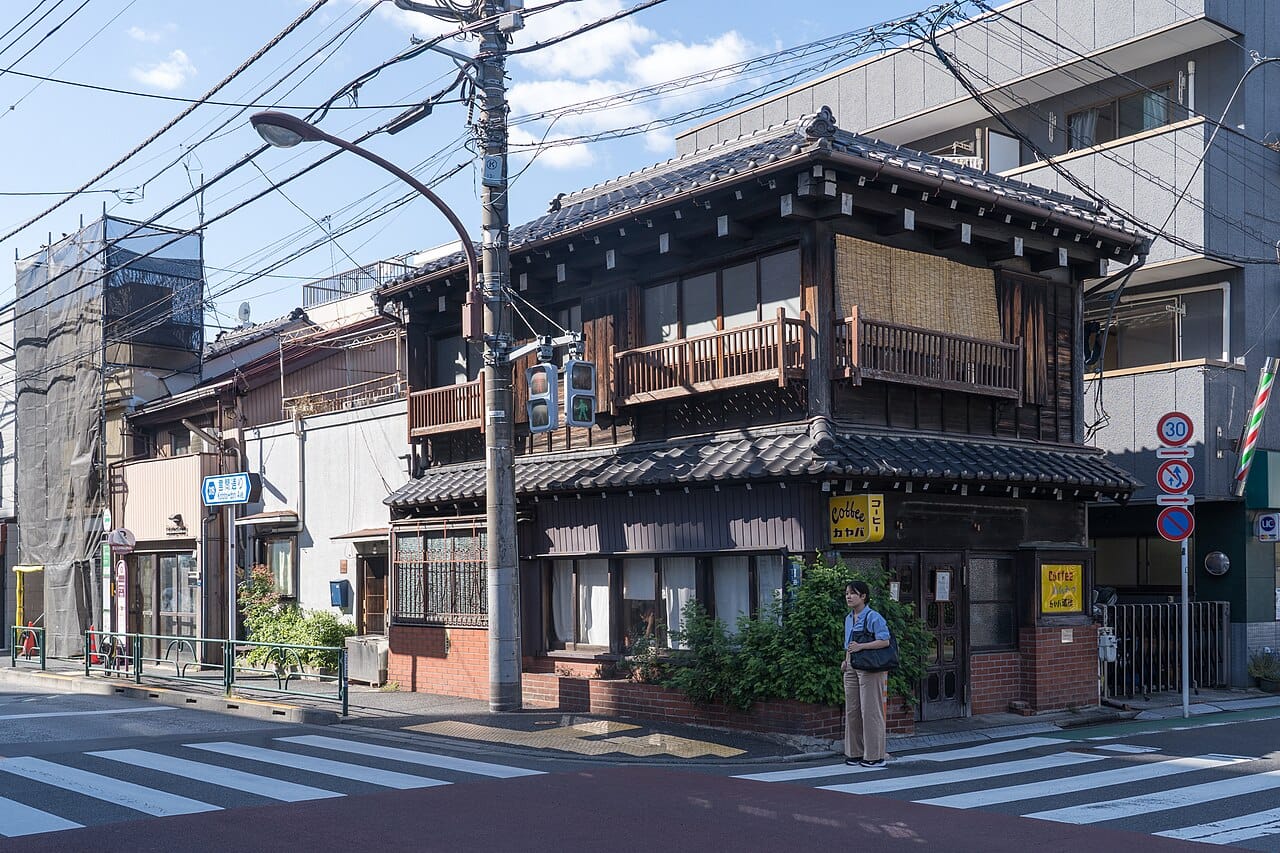
If you want to understand a city in Asia, set an alarm for five thirty. Walk out of your hotel and into whichever street happens to be downstairs. The first hour of an Asian city is the hour when it belongs to itself, before the office workers and the tourists arrive, when neighbourhoods do the small private things that make them work.
I have been chasing this hour for the better part of a decade. In Tokyo, in Bangkok, in Hanoi, in Penang, in Seoul, in Taipei, in Hong Kong and in Singapore. The morning is where each city tells the truth about itself, and the truth is almost always more local, more textured and more human than the evening version that gets photographed.
Tokyo: the silence is the point
Yanaka, in the north-eastern pocket of the city, is where I send anyone serious about understanding Tokyo. By six in the morning the bakeries are open, the temples have unlocked their gates, and the streets carry only the soft tap of rubber-soled shoes on cobblestone. An older man sweeps the front of his shop in slow figure eights. A cat sits on a tiled roof.
This is not the postcard Tokyo of Shibuya neon. This is the Tokyo where someone has lived in the same wooden house for fifty years and intends to live in it for fifty more. The smell is of incense from a small shrine, and tamago sandwiches from a corner bakery, and the cool air just beginning to warm. You walk slower than you would anywhere else and the city does not punish you for it.
Seoul: hills, broth, and the hands of older women
Bukchon Hanok Village before seven is empty. The hanbok rental shops are still shuttered. The wooden gates of the traditional houses stand half-open while their owners take out small piles of rubbish. A few blocks east, in Samcheong-dong, the cafes are setting up but the streets still belong to grandmothers walking small dogs and pulling shopping trolleys.
Down at the bottom of the hill, the morning haejangguk shops are full. A bowl of broth made from beef bones and dried cabbage, a side of kimchi, a small dish of acorn jelly. You sit at a counter, you do not speak, you eat. The man next to you wears a grey tracksuit and reads a newspaper folded in quarters. His face says he has done this every morning for years.
Bangkok: the riverside and the food carts
The Chao Phraya at sunrise is a different river. Long-tail boats carry monks in saffron robes from temple to temple. Older Thai women clasp lotus flowers and small offerings, lining up at the riverside shrines. The traffic that defines the daytime version of Bangkok has not yet arrived, and the city smells of jasmine and fryer oil.
Street food is at its best now. Joke, the rice porridge breakfast, served with pork meatballs and a raw egg cracked on top. Khao tom, a thinner rice soup with seafood. Patongko, the small Thai doughnuts you dunk into pandan custard or condensed milk. Five vendors on five corners, each better than the last.
Hanoi: the lakeside ritual
Hoan Kiem Lake at six is full of life of the slowest possible kind. Dozens of older Hanoians do tai chi in groups, badminton in pairs, walking laps in long quiet lines. The lake's surface is grey-green, the willows around it lean over the water, and the city's red and gold flag hangs limp in the still air.
Pho stalls open before the lake walkers finish their laps. The broth has been on the stove since two in the morning. A bowl of pho bo at six thirty in October air is one of the small perfect things this region offers. Add the chilli, the basil, the squeeze of lime, take the stool that is free, watch a city that has been awake for hours but is just now beginning to perform.
Penang: George Town's coffee shops
Penang's old kopitiams open at five thirty. A glass of kopi-O kosong, black and unsweetened, served with a kaya toast on white bread, a soft-boiled egg cracked into a small bowl with white pepper and dark soy. Eat all three together. The egg is meant to slip down. The toast is meant to be torn. The coffee is meant to scald.
This is breakfast as a ninety-year-old institution. The men who eat here come at the same time, sit in the same seats, order without speaking. The shop owner remembers everyone. Younger residents will tell you the kopitiam is in decline, replaced by third-wave coffee shops two streets over, but the morning regulars have not been to those once and do not plan to.
Taipei: parks, dumplings, and breath
Da'an Park at six is full of older Taipei residents stretching, breathing, swinging arms in slow controlled circles. The morning markets have opened around the park's edges. Steamed buns, scallion pancakes, soy milk and youtiao for dipping, sesame paste rolls for those who like a slower, sweeter start.
Taipei in the morning is a kind city. People nod. Strangers help. The MRT has not yet filled. You can stand at a crossing and watch motor scooters wait politely behind the white line, knowing that an hour later they will not.
Hong Kong: yum cha and the crowds before the crowds
Hong Kong wakes loudly. Yum cha, the morning dim sum tradition, starts at seven in the older restaurants and is busy by seven thirty. Trolleys of bamboo steamers, har gow and siu mai and char siu bao, pots of Pu'er and chrysanthemum tea, the clattering of plates being stacked at the end of the meal.
The neighbourhood to be in is Sai Ying Pun or Kennedy Town in the morning, before the Mid-Levels escalator starts pumping commuters down to Central. The wet markets are at full volume, fish on ice, vegetables stacked higher than a child, butchers calling out prices.
Singapore: hawker centres and the kopi list
Tiong Bahru Market opens at five. By six the local crowd is in full force. Kaya toast and soft-boiled eggs at one stall, chwee kueh at another, lor mee at a third. The kopi order is its own dialect: kopi-O for black, kopi-C for evaporated milk, kopi-O kosong for black no sugar, the variations stack until you give up and let the auntie decide.
The HDB blocks above the hawker centre wake up around the eaters. Older residents come down in slippers for the morning paper. Office workers in white shirts grab a bag of nasi lemak to eat at their desks. The whole arrangement was designed by people who understood that the first meal of the day is a small public good.
What the morning teaches
Every Asian city has an evening identity, often glossy, often loud, often the version that ends up in tourism campaigns. The morning identity is more honest. It tells you who actually lives in the neighbourhood. It tells you what they eat when no one is watching. It tells you whether the city has held on to its older rhythms or given them up.
The cities that have held on the most are the cities that are most worth visiting twice. Set the alarm. Walk out before the sun makes things complicated. The first hour will be the one you remember.