The Bali Expat Ecosystem: What Nobody Tells You Before Moving
The Instagram version of Bali has a pool, a laptop, and a sunset. The real version has visa anxiety, infrastructure problems, and a community that's more complicated than any social media feed suggests.
The Seduction and the Reality
Bali seduces more effectively than any island on Earth. The combination of tropical beauty, low costs, warm culture, and a pre-built expat infrastructure makes it the default answer to the question "where should I go if I can work from anywhere?"—a question that an increasing number of professionals are asking and that Bali's tourism industry has become extraordinarily skilled at answering. The Instagram pipeline—sunset photos, pool photos, laptop-on-beach photos, transformation-journey photos—delivers a constant stream of aspirational content that makes moving to Bali seem not just possible but inevitable, a life upgrade that requires only a plane ticket and an open mind. Roughly 300,000 foreign nationals live in Bali at any given time, a number that's grown dramatically since the pandemic accelerated remote work adoption, and the infrastructure to support them—coworking spaces, Western-style restaurants, yoga studios, real estate agents, visa consultants—is the most developed of any expat destination in Southeast Asia.
The reality is more nuanced than the marketing, and the gap between expectation and experience is where most Bali expat struggles originate. The visa situation is genuinely stressful: the most common option, the B211A social visa, requires renewal every 60 days (extendable to 180), costs $250-400 per application through an agent, and technically doesn't permit work, which means every remote worker in Bali is operating in a legal grey area that produces low-grade anxiety. The Digital Nomad Visa, requiring $60,000 annual income, addresses the legality question but creates a financial threshold that excludes many potential applicants. The infrastructure—roads, water supply, waste management—was not designed for the population it now serves, and the daily experience of sitting in Canggu traffic, dealing with a water outage, or watching plastic wash up on a beach you photographed for Instagram yesterday grounds the tropical fantasy in physical reality.
The Canggu Bubble
Canggu, the de facto expat capital, deserves specific examination because it represents both the best and worst of Bali's expat ecosystem. The positive: a high concentration of coworking spaces, cafes, restaurants, fitness studios, and social venues within a walkable (or scooterable) area, creating a community density that makes social connection effortless. The negative: that same concentration creates an echo chamber where the same conversations (crypto, passive income, "manifesting," real estate investment) circulate endlessly, where the relationship with Balinese culture ranges from shallow to exploitative, and where the environmental impact of development—construction waste, water extraction, sewage—is visible enough to make anyone with environmental awareness uncomfortable.
The Canggu lifestyle costs $1,500-2,500 per month for a single person living comfortably: a private villa with pool ($400-800), a coworking membership ($150-250), scooter rental ($60-80), food and drinks ($400-600), and miscellaneous expenses. This buys a quality of daily life—tropical weather, swimming pool, excellent food, social community—that would cost $5,000-8,000 in a Western city. The value is real, and dismissing it as shallow or unsustainable ignores the genuine improvement in daily wellbeing that many people experience. But the value comes with costs that aren't financial: distance from family and existing social networks, the instability of a visa-dependent life, the moral complexity of living luxuriously in a developing country, and the slow erosion of professional identity that can accompany years of working remotely without the structure and advancement opportunities of a traditional career.
Beyond Canggu
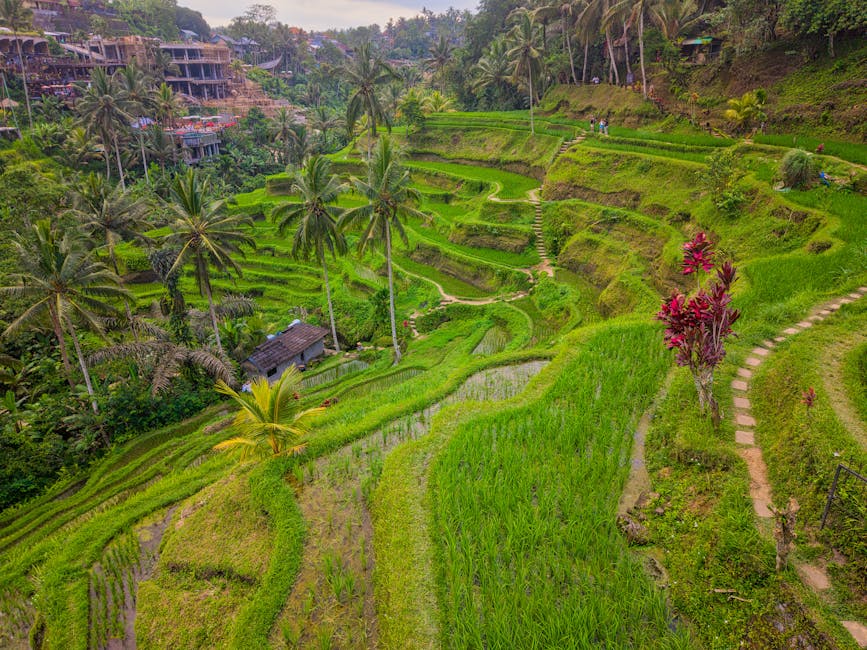
The Bali that experienced expats eventually discover—if they stay long enough to escape the Canggu orbit—is considerably more interesting than the default nomad circuit. Ubud, 25 kilometers inland, offers cultural depth (temple ceremonies, traditional dance, the art museum scene), natural beauty (rice terraces, the Campuhan Ridge walk, the Ayung River gorge), and a community that includes long-term residents—artists, writers, healers, retirees—whose relationship with Bali spans decades rather than visa periods. Sanur, on the southeast coast, attracts older expats and families with its calm beaches, French-influenced bakeries, and a pace that Canggu residents would find geriatric but that people who've outgrown the party scene find refreshingly adult. Amed, on the northeastern coast, offers diving, snorkeling, and a quiet that's increasingly rare on an island where construction noise has become the dominant soundtrack.
The Relationship With Bali
The most important thing about living in Bali—the thing that separates residents who thrive from those who burn out and leave—is the quality of relationship you build with the island and its culture. Balinese Hinduism, which structures daily life through a cycle of ceremonies, offerings, and community obligations that outsiders rarely understand, isn't a tourist attraction—it's the operating system of the society you've chosen to inhabit. The offerings (canang sari) placed on sidewalks every morning aren't Instagram props—they're prayers. The temple ceremonies that close roads and create traffic aren't inconveniences—they're the cultural infrastructure that makes Bali what it is. The degree to which you can respect, appreciate, and engage with these practices—without appropriating them, without treating them as content, and without expecting them to adjust to your schedule—determines whether Bali becomes a home or just a long vacation.
Learning basic Bahasa Indonesia (the national language, not Balinese, which is harder but more culturally appreciated) transforms daily interactions. "Terima kasih" (thank you), "berapa" (how much), and "saya tinggal di sini" (I live here) are the minimum. Taking the time to learn your neighbors' names, attending a ceremony when invited, and understanding that the land your villa occupies has spiritual significance to the family that owns it—these gestures don't make you Balinese, but they make you a respectful guest, which is the most any expat can honestly aspire to be.
Bali is extraordinary. The light, the culture, the food, the people, the sheer physical beauty of the island justify its reputation as one of the world's great places to live. But it's not a lifestyle product—it's a place, with its own history, its own problems, and its own claim on the attention and respect of the people who choose to inhabit it. The expats who understand this stay for years and leave with gratitude. The ones who don't understand it stay for months and leave with a tan and a vague sense that something was missing. What was missing was Bali itself, present the entire time, waiting to be noticed.