Designing for 35 degrees: how Singapore, Tokyo and Bangkok keep their cities liveable in the heat
As Asian summers get hotter, the region's great cities are quietly redesigning themselves around shade, water and air. Here's how three of them cope with the heat.
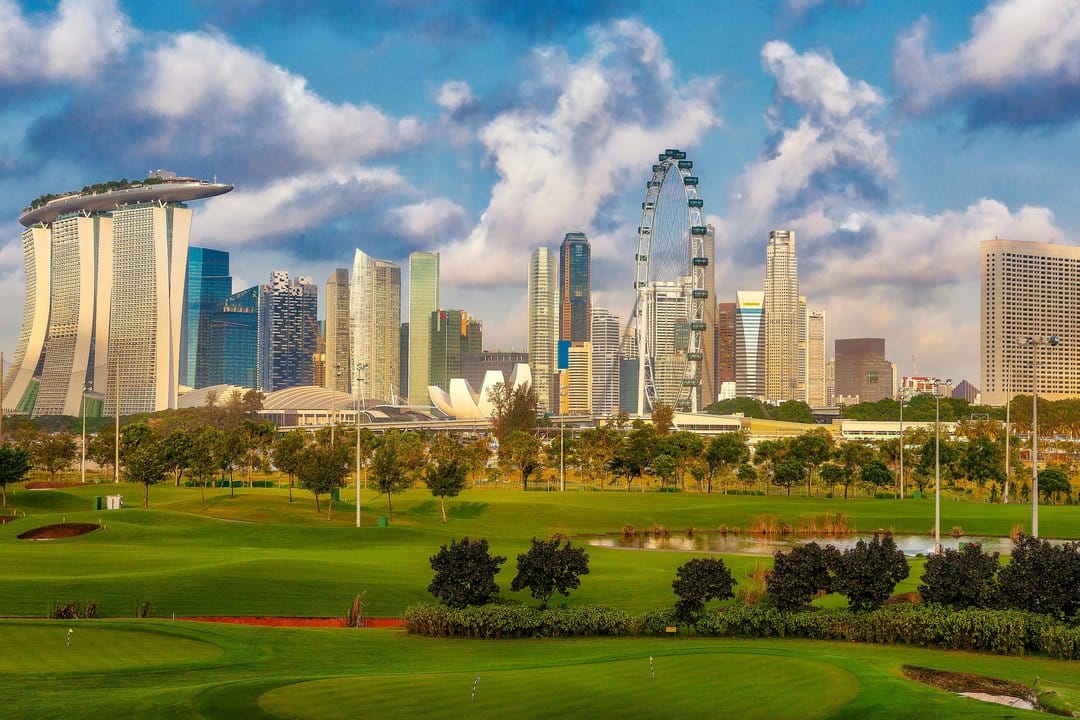
Spend a summer in any of Asia's great cities and you learn quickly that heat is not a backdrop — it is the organising fact of daily life. When the thermometer sits above 35 degrees and the humidity makes it feel hotter still, the way a city is built decides whether its streets are bearable or brutal. Across the region, urban planners and residents alike have developed a quiet, practical expertise in living with heat, and three cities show three distinct philosophies.
Singapore: the city in a garden
Singapore has turned heat management into a design principle. Its long-running ambition to be a "city in a garden" is not just landscaping — greenery is a cooling strategy. Vertical gardens climb the sides of buildings, parks thread between towers, and tree-lined corridors create shaded routes for walking. Vegetation cools through shade and through the moisture plants release, softening the urban heat island that makes dense cities hotter than their surroundings.
The city also leans hard on covered walkways. Sheltered links connect transit stations, malls and housing blocks, so much of daily movement happens out of direct sun and rain. Combined with near-universal air conditioning indoors and a transit system built to whisk people between cooled spaces, the result is a city that treats shade and connection as public infrastructure, not luxury.
Tokyo: precision against the humidity
Tokyo's summers are defined as much by humidity as by raw temperature, and the city's responses are characteristically meticulous. One of the most charming is uchimizu — the old practice of sprinkling water on pavements and entrances in the cooler hours, so its evaporation draws heat from the surroundings. It is a small ritual with real physics behind it, and it persists in modern Tokyo alongside high-tech approaches.
The city has experimented widely with cooling its hard surfaces: heat-reflective and water-retaining pavements that stay cooler underfoot, misting installations at stations and public spaces, and a deep cultural fluency in summer routines — the cooling towels, the portable fans, the seasonal foods designed to refresh. Tokyo's transit, immaculately air-conditioned and dense, again does much of the work of moving people between cool refuges. The philosophy is incremental and precise: many small interventions, layered together.
Bangkok: living with the heat, not fighting it
Bangkok contends with some of the most relentless heat and humidity of the three, and its approach is rooted as much in lifestyle and tradition as in engineering. Daily rhythms bend around the sun: activity in the cooler morning and evening, a slower middle of the day, and a vibrant nightlife when the air finally eases. Street life thrives under awnings, umbrellas and the shade of markets, where vendors and shoppers alike instinctively follow the shadows.
Traditional architecture across the region offers lessons the city still draws on — raised floors, deep eaves, open layouts and high ceilings that encourage air to move and keep living spaces shaded. Modern Bangkok layers air-conditioned malls and transit on top of this, but the older wisdom of working with the climate, rather than sealing oneself entirely against it, remains visible on every street.
The common threads
For all their differences, the three cities converge on the same handful of tools:
- Shade as infrastructure — covered walkways, awnings, trees and eaves that keep people and surfaces out of direct sun.
- Water and greenery — plants and evaporation actively cooling the air, not just decorating it.
- Connected cool spaces — transit and indoor networks that let daily life hop between conditioned environments.
- Rhythms that respect the sun — scheduling the hardest activity away from the fiercest heat.
Why it matters now
As summers trend hotter, these are no longer quaint local customs but front-line adaptations that other cities are beginning to study. The Asian megacity has, out of necessity, become a laboratory for liveability in extreme heat — proving that the answer is rarely a single grand fix, but a dense weave of shade, water, greenery and habit. For residents, the practical takeaway is the same one their cities have learned: follow the shade, move with the cooler hours, and let the built environment, where it has been designed well, do quiet work on your behalf.