Concept Stores in Asia That Actually Deserve the Label
Most 'concept stores' are regular shops with better lighting and a higher markup. These twelve across Asia are the real thing.
What Concept Actually Means
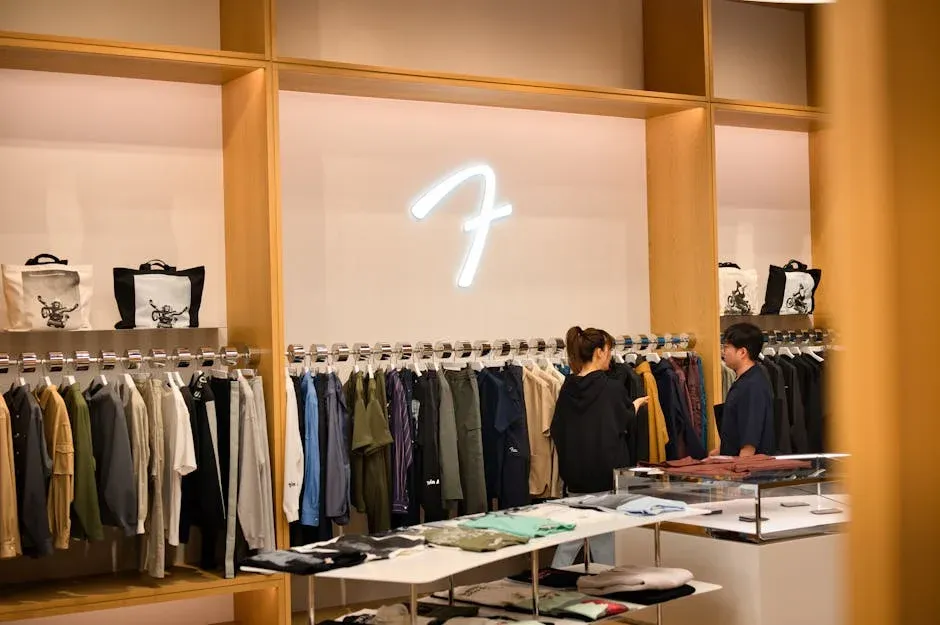
The term "concept store" has been diluted to near-meaninglessness by retail marketers who've discovered that adding a coffee bar to a clothing shop and calling it a "lifestyle concept" justifies a 40% markup. An actual concept store does something different: it organizes a retail space around an idea rather than a product category, curates its inventory across multiple disciplines (fashion, design, books, food, art), and creates an environment where the act of browsing is itself an experience worth having, regardless of whether you buy anything. By this definition, most concept stores aren't. The ones that are, particularly in Asia where retail design is treated with the seriousness that other cultures reserve for architecture or fine art, represent some of the most interesting physical retail experiences available anywhere.
Tokyo: Where the Format Was Perfected
Tokyo invented the modern concept store, and the city's flagship operations remain the global standard. The OG is still the most impressive: Dover Street Market Ginza occupies a seven-story building where Rei Kawakubo and her team curate a rotating selection of fashion, art, and design from Comme des Garçons and a roster of international designers. The installations change monthly, turning shopping into a gallery visit that happens to have price tags. The ground floor's pastry counter (by Cédric Grolet or similarly caliber pastry chefs) and the basement's trading post of emerging designers provide entry points for visitors who aren't in the market for a ¥300,000 jacket but want to experience the space. Even the elevators are designed—the buttons, the lighting, the muzak—with an attention to detail that would be absurd anywhere else and is merely expected in a city that treats retail as a performing art.
Arts & Science, Sonya Park's multi-location operation, takes a more intimate approach. The Aoyama location, in a converted house behind Omotesando, feels like visiting a very stylish friend's apartment—rooms are arranged by function (kitchen, bedroom, study) with merchandise placed as if it's being used rather than sold. A hand-thrown ceramic cup sits on a table next to a stack of vintage postcards and a linen napkin, and you can buy all three or none. The prices are high (the ceramics start around ¥8,000, the clothing around ¥30,000), but the curation is flawless—every item feels like it belongs in the same life, and that life is quietly, deliberately beautiful.
The Bookstore-As-Concept Model
Tsutaya Books in Daikanyama, designed by Klein Dytham Architecture, is technically a bookstore but functionally a concept store that uses books as the organizing principle for a lifestyle experience. The three interconnected buildings house 80,000 titles organized not by genre but by subject—travel, design, food, cars, architecture—alongside a Starbucks, a music lounge, a camera shop, and a lounge where you can sit with any book from the shelves. The experience of spending an afternoon at Daikanyama Tsutaya, moving between books and coffee and music in a space where everything is designed to encourage slow, exploratory browsing, is the platonic ideal of what physical retail can offer that Amazon cannot.
Seoul: Scale and Ambition
Seoul's concept stores reflect the city's appetite for bold, large-scale retail experiences. Gentle Monster, the Korean eyewear brand, operates flagship stores that are part retail space, part art installation, part theme park. The Haus Dosan location in Gangnam (four floors of kinetic sculptures, robotic installations, and eyewear displays that look like museum exhibits) is a retail experience unlike anything in any other city—you walk through rooms where mechanical creatures move, screens display surreal videos, and somewhere in the sensory overload you realize there are also sunglasses for sale. Whether this constitutes brilliant retail innovation or an attention-deficit-disorder approach to commerce depends on your tolerance for spectacle, but the execution is undeniably masterful.
For something more curated, Millimeter Milligram (mmmg) in Samcheong-dong operates a stationery and lifestyle concept store where every item—notebooks, pens, bags, desk accessories—is selected for its design quality and functionality. The store's own brand produces notebooks and planners with paper quality that pen enthusiasts travel specifically to buy, and the broader selection includes Japanese, Korean, and European stationery brands that you won't find at generic retailers. A notebook costs ₩15,000-35,000 ($11.30-$26.30), a pen ₩5,000-50,000 depending on make, and the staff's knowledge of paper weight, ink compatibility, and binding methods transforms a shopping trip into an education.
Bangkok: Emerging With Style
Bangkok's concept store scene is younger than Tokyo's or Seoul's but growing rapidly, driven by a Thai creative class that's producing fashion, design, and art with a confidence and quality that's increasingly recognized internationally. Siwilai at Central Embassy mall operates a concept space that stocks Thai and international fashion, design objects, vinyl records, and art books in an environment that's been praised by international retail media as one of Asia's most innovative. The curation emphasizes Thai and Southeast Asian designers—brands like Hooks Natasha, Disaya, and Kloset—alongside global names, creating a retail experience that's specific to Bangkok rather than transplanted from elsewhere.
Another Form, a collaborative concept store in Ekkamai, houses multiple Thai design brands under one roof: furniture, ceramics, textiles, and fashion from Bangkok-based makers who share a commitment to craft and a price range (฿500-15,000 / $14-$430) that makes good design accessible without cheapening it. The store functions as a showroom for a design community that often operates invisibly—makers who sell primarily online or through small galleries get physical retail space, and customers who wouldn't discover them individually can encounter them in a curated context.
Singapore: Curated to Perfection
Supermama, a Singapore concept store focused on design objects that reinterpret Asian cultural heritage, is one of the most thoughtful retail operations in any city. The Kampong Glam location stocks exclusively Singaporean and Japanese design: plates bearing halftone prints of Singapore landmarks, furoshiki wrapping cloths in prints inspired by local architecture, incense holders shaped like HDB apartment blocks. Every item tells a story about the relationship between design and cultural identity, and the store's founder, Edwin Low, is usually present to discuss the stories with the obsessive enthusiasm of someone who genuinely believes that a well-designed plate can be a vehicle for cultural preservation.
Naiise, a Singaporean lifestyle brand and retail platform, takes a broader approach, stocking over 400 Singapore-based brands across fashion, food, homewares, and stationery. The flagship at Jewel Changi Airport introduces arriving visitors to Singaporean design before they've left the airport terminal, which is either a shrewd commercial move or a genuine act of cultural ambassadorship depending on how you read the intention. The prices are mid-range (most items fall between S$15 and S$150), the quality is consistently good, and the selection changes frequently enough that repeat visits reveal new products and new makers.
Why Physical Retail Still Matters
Concept stores in Asia persist and proliferate despite e-commerce growth because they offer something that screens cannot: the sensory, spatial, social experience of discovering objects in a designed environment. You can buy a ceramic cup online, but you can't feel its weight, appreciate its glaze, or understand how it relates to the wooden tray next to it and the linen cloth beneath it. You can browse a clothing brand's lookbook, but you can't experience the fabric's drape, the precision of the stitching, or the way the garment looks on your actual body in actual light. Concept stores leverage physical presence—the thing that physical retail has and digital retail doesn't—and they do it with enough skill and intention that the experience itself becomes the product, with the merchandise functioning almost as souvenirs of the visit.
The best concept stores in Asia understand this and design accordingly: the space comes first, the merchandise is selected to inhabit the space, and the customer is invited to inhabit both. The result, when it works, is a form of retail that doesn't feel like retail at all—it feels like visiting a place that happens to sell things, which is a better model for physical commerce's future than anything the mall developers have imagined.