Day Trips From Tokyo That Aren't Kyoto
Everyone knows you can take the bullet train to Kyoto. Here are the day trips that actual Tokyo residents take when they need to escape the city for a few hours.
The Two-Hour Rule
Tokyo residents measure day trips not in distance but in door-to-door time, and the threshold is roughly two hours each way. Anything under two hours is a casual day trip—leave after breakfast, return for a late dinner. Anything over two hours starts to feel like it deserves an overnight stay. The good news is that Tokyo's position at the center of Japan's rail network puts an extraordinary variety of landscapes, cultural sites, and small cities within that two-hour radius. The better news is that most of these destinations are far less crowded than Kyoto (which is 2.5 hours by shinkansen and perpetually overwhelmed) and offer experiences that are, in their own ways, equally rewarding.
Kamakura: The Beach Temple Town
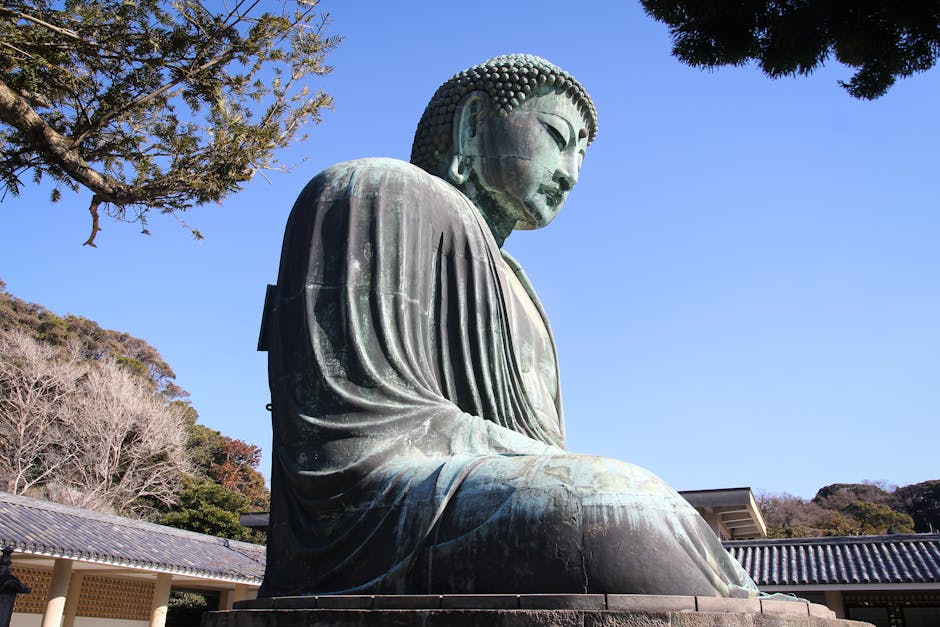
Kamakura, one hour south of Tokyo by JR Yokosuka Line, was Japan's capital from 1185 to 1333, and the density of historical sites compressed into this small coastal city is staggering. The Great Buddha (Daibutsu) at Kōtoku-in, a 13.35-meter bronze statue that's sat in the open air since a typhoon destroyed its enclosing hall in 1498, is the iconic image—a face of composed serenity that has gazed at visitors for over 750 years with an expression that manages to be both monumental and gentle. Admission is ¥300, and for an additional ¥50 you can enter the hollow interior of the statue, which provides an engineering perspective that the exterior doesn't suggest.
Beyond the Daibutsu, Kamakura rewards a full day of walking. The route from Kita-Kamakura station through Engakuji and Jochiji temples, over the Daibutsu hiking trail through the wooded hills, and down to Hasedera Temple and the beach takes roughly four hours and covers Kamakura's primary attractions while avoiding the crowds that concentrate along the main road. Engakuji, a Rinzai Zen temple founded in 1282, offers free zazen sessions on Saturday mornings (see the meditation article in these pages), and the temple grounds—moss-covered stone paths, raked gravel gardens, ancient cryptomeria trees—are among the most atmospheric in Japan. Hasedera Temple's observation deck provides a panoramic view of Sagami Bay that makes the uphill climb worthwhile, and the Jizō statues in the temple's cave illuminate a darker aspect of Japanese spiritual practice: the small stone figures represent children lost to miscarriage and stillbirth, dressed in tiny red caps and bibs by grieving parents.
Enoshima: The Beach Extension
From Kamakura, the Enoden railway (a charming single-track line that runs along the coast) reaches Enoshima in about 25 minutes. The small island, connected to the mainland by a bridge, offers a botanical garden, a lighthouse with views of Mount Fuji on clear days, cave systems, and a cluster of seafood restaurants serving shirasu (whitebait)—tiny, translucent fish eaten raw on rice (shirasu-don, ¥1,000-1,500) or as tempura. The island itself is touristy in a pleasantly old-fashioned way, with souvenir shops selling shells and the kind of rubber-stamp collections that Japanese travelers use to document their visits. Combining Kamakura temples in the morning with Enoshima seafood and beach in the afternoon creates a day trip that covers culture, nature, food, and sea air—a combination that Tokyo's concrete canyons make you forget you need until you're standing in it.
Nikkō: Baroque Buddhism
Nikkō, two hours north of Tokyo by Tobu Railway limited express (¥1,360 each way from Asakusa station), is the architectural opposite of Kamakura's restrained Zen aesthetic. The Tōshō-gū shrine, built in 1617 as the mausoleum of Tokugawa Ieyasu, is Japanese decorative art at its most extravagant: over 5,000 carvings of mythological creatures, demons, flowers, and warriors cover every surface of the shrine buildings, lacquered in red, gold, and black, with a density of ornament that's either breathtaking or overwhelming depending on your tolerance for visual excess. The famous "see no evil, hear no evil, speak no evil" monkey carving is here, along with the sleeping cat (nemuri-neko) that guards the entrance to Ieyasu's tomb. Admission is ¥1,300 and worth every yen.
The Nikkō area beyond Tōshō-gū is less visited and arguably more beautiful. The Kanmangafuchi Abyss, a rocky gorge along the Daiya River accessible by a 20-minute walk from the town center, features a line of 70 stone Jizō statues (known as the "Bake Jizō" because their number seems to change depending on the direction you count from) in a moss-covered, forest-shaded setting that's powerfully atmospheric. Lake Chūzenji, accessible by a dramatic series of switchback roads or by bus from Nikkō station (45 minutes), sits at 1,269 meters altitude and offers cooler temperatures, autumn foliage that peaks two weeks before Tokyo's, and Kegon Falls—a 97-meter waterfall that's one of Japan's most famous and is genuinely impressive from the viewing platform (¥570 elevator fee).
Kawagoe: Little Edo
Kawagoe, 45 minutes from Ikebukuro by Tobu Tojo Line express, is the easiest and least physically demanding day trip from Tokyo. The old warehouse district (kurazukuri no machinami) preserves a street of Edo-period clay-walled merchant warehouses that survived the fires and earthquakes that destroyed their Tokyo equivalents, creating a living museum of what commercial streets looked like before modernization. The Toki no Kane bell tower, a wooden structure that has rung its bell four times daily since the Edo period, is Kawagoe's symbol, and hearing it chime while standing on a street lined with 19th-century buildings creates a temporal dislocation that guidebook photographs can't convey.
Kawagoe's culinary specialty is sweet potato—the city was historically a major sweet potato growing area, and the modern food scene has embraced this identity with commitment. Sweet potato chips, sweet potato ice cream, sweet potato beer, sweet potato everything line the main tourist street (Kashiya Yokocho, "Candy Lane"), and while the quantity of sweet potato products approaches parody, the quality of the best items is genuinely good. The sweet potato ice cream at Tamatan (¥350) uses local Kawagoe sweet potatoes and is creamy, earthy, and satisfying in a way that makes regular ice cream seem lazy.
The Quiet Options
For visitors who want to escape not just Tokyo but also the other tourists escaping Tokyo, two less-visited options deserve mention. Takao-san (Mount Takao), only 50 minutes from Shinjuku by Keio Line, is a 599-meter mountain with multiple hiking trails ranging from 40-minute paved walks to two-hour forest paths. The summit provides views of Mount Fuji on clear days, and the approach trail passes through Yakuo-in Temple, a Shingon Buddhist complex with over 1,200 years of history. It's popular—over 3 million visitors annually—but nowhere near Kyoto-level crowding, and the combination of moderate exercise, temple visits, and mountain air makes it an ideal half-day trip.
Mashiko, a pottery town in Tochigi prefecture roughly 2.5 hours from Tokyo (pushing the two-hour rule, but worth it), is a pilgrimage for ceramics enthusiasts. The town's potters produce the Mashiko-yaki style—earthy, functional ceramics in muted browns, greens, and blues—that the legendary potter Shoji Hamada brought to international attention in the mid-20th century. The biannual Mashiko Pottery Fair (May and November) draws over 500 potters selling directly from tents, with prices starting at ¥500 for a small cup and rarely exceeding ¥10,000 for substantial pieces. Buying a handmade bowl from the person who made it, in the town where the tradition was developed, for the price of a nice lunch in Tokyo, is the kind of transaction that reminds you what shopping felt like before algorithms.