EV Culture in Asian Cities: Electric Scooters, Cars, and the Quiet Revolution
Shenzhen replaced 16,000 diesel buses with electric ones in four years. Bangkok is electrifying its tuk-tuks. The revolution is quieter than you'd expect.
The Quiet Streets
The first thing you notice in Shenzhen isn't the skyline or the tech campuses—it's the silence. Shenzhen completed the electrification of its entire 16,000-bus fleet in 2017, making it the first major city in the world to operate an all-electric public bus system. The sound difference is striking: where diesel buses in other cities rumble, wheeze, and belch exhaust at every stop, Shenzhen's BYD electric buses glide with a soft whir that's barely audible above the ambient city noise. The 22,000 electric taxis that followed the buses extended the quiet to the city's streets, and walking in downtown Futian during a weekday rush hour—surrounded by thousands of vehicles, almost all of them electric—produces the dissonant experience of a busy city that sounds oddly peaceful.
Shenzhen's transformation is the most dramatic example of a shift happening across Asian cities at varying speeds: the electrification of urban transportation, from public buses and taxis to private cars, scooters, and the three-wheeled vehicles that define the streetscape of cities from Bangkok to Jakarta. The shift is driven by a combination of government mandates, consumer economics (electric vehicles are increasingly cheaper to operate than their combustion equivalents), and the air quality crisis that has made EV adoption a public health imperative in cities where millions of people breathe the exhaust of millions of vehicles.
China: Scale That Changes Everything
China's EV market operates at a scale that makes other countries' efforts look like pilot projects. In 2024, over 40% of new car sales in China were electric or plug-in hybrid—roughly 10 million vehicles—and the number continues to climb. The infrastructure to support this fleet includes over 2.7 million public charging stations, more than the rest of the world combined, with new stations being installed at a rate that makes range anxiety an increasingly abstract concern rather than a practical barrier.
The impact on urban life is tangible in cities beyond Shenzhen. Shanghai's streets are visibly different from five years ago: the green license plates (designating new energy vehicles) that once stood out now constitute a significant portion of traffic, and the city's commitment to electric taxis and ride-hailing vehicles has noticeably reduced the diesel smell that previously characterized Shanghai's congested intersections. Hangzhou, the tech hub where Alibaba is headquartered, has invested in smart EV infrastructure that includes charging stations integrated with the city's bike-sharing system and traffic management algorithms that prioritize electric vehicles at congested intersections.
The Two-Wheeler Revolution
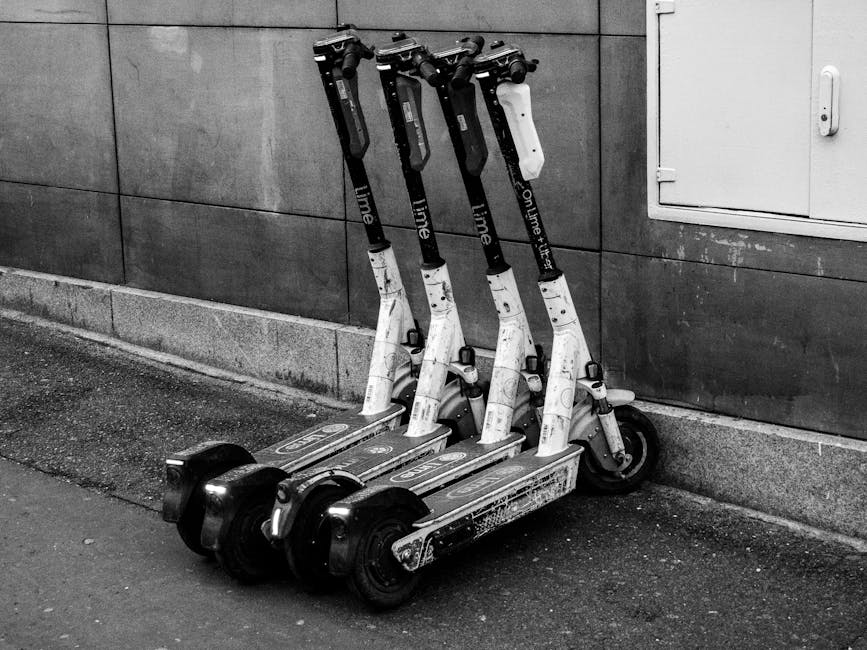
China's most impactful EV transition isn't cars—it's two-wheelers. Over 300 million electric scooters and bicycles operate on Chinese roads, dwarfing the electric car fleet by an order of magnitude. In cities like Guangzhou, Chengdu, and Kunming, electric scooters have almost entirely replaced gasoline-powered motorcycles, driven by local bans on combustion two-wheelers that were implemented not primarily for environmental reasons but to reduce noise and improve air quality. The transition happened with remarkably little resistance: electric scooters cost ¥2,000-5,000 ($275-$690), charge overnight from a standard household outlet, and operate at a fraction of the fuel cost of their gasoline predecessors. For the tens of millions of Chinese commuters who use two-wheelers daily, the switch was an economic no-brainer that happened to also be environmentally beneficial.
Southeast Asia: Tuk-Tuks and Transformation
Bangkok's tuk-tuks—the three-wheeled open-air taxis that are simultaneously the city's most recognizable transport icon and its most polluting per-passenger vehicle—are being electrified through a combination of government incentive and market demand. MuvMi, an electric tuk-tuk service that operates shared routes through Bangkok's most congested neighborhoods, has demonstrated that the model works: fares of ฿10-25 ($0.29-$0.71) per trip, routes designed to complement rather than compete with BTS and MRT, and vehicles that produce zero tailpipe emissions in a city where traffic pollution contributes to roughly 30,000 premature deaths annually. The service has expanded from a single route in the Siam area to over 20 routes covering central Bangkok, and the ridership numbers suggest genuine demand rather than novelty-driven use.
Vietnam's two-wheeler electrification is being led by VinFast, the Vietnamese automaker that's investing heavily in electric scooters alongside its car operations. The VinFast Klara S, an electric scooter priced at roughly 40 million VND ($1,600), offers a range of 120 kilometers on a single charge and access to VinFast's battery-swap stations—a network that solves the charging-time problem by allowing riders to swap a depleted battery for a fully charged one in under a minute. The battery-swap model, pioneered in the two-wheeler market by Taiwan's Gogoro and now adapted for Vietnam's market, addresses the practical barrier that has limited EV adoption in countries where most residences lack dedicated charging infrastructure.
Japan and Korea: The Hydrogen Question
Japan and South Korea present a counterpoint to the battery-electric consensus, as both countries maintain significant investments in hydrogen fuel cell technology alongside their battery EV programs. Toyota's Mirai and Hyundai's Nexo represent the most advanced hydrogen fuel cell vehicles on the market, and both companies argue that hydrogen offers advantages—faster refueling, longer range, lighter weight for larger vehicles—that batteries cannot match. The infrastructure challenge remains formidable: Japan has roughly 160 hydrogen stations nationwide, compared to tens of thousands of electric charging points, and the cost of hydrogen fuel (roughly ¥1,100 / $7.40 per kilogram, enough for approximately 100 kilometers) exceeds the electricity cost for equivalent battery EV range.
On the streets, however, the practical EV transition in Japan and Korea is following the global pattern: battery electric vehicles gaining market share, supported by expanding charging infrastructure and consumer incentives. Seoul's electric taxi fleet has grown from negligible to over 5,000 vehicles, supported by a network of fast chargers at taxi stands that allow drivers to add 80% charge during a 30-minute break. Tokyo's electric bus pilot programs are expanding from limited routes to broader network coverage, and the Japanese government's target of 100% electric or hybrid new car sales by 2035 signals a commitment that, while less aggressive than China's pace, represents a fundamental direction of travel.
What You'll Notice as a Visitor
The EV transition in Asian cities is visible in ways that statistics don't convey. The air smells different—cleaner, less acrid—in cities where electric buses have replaced diesel fleets. The sound environment is different: traffic in Shenzhen's downtown is quieter by a measurable degree than traffic in comparable districts of cities still running combustion vehicles. The ride quality is different: electric taxis and ride-hailing vehicles in Seoul, Bangkok, and Chinese cities offer a smoother, quieter passenger experience that makes combustion vehicles feel crude by comparison. And the charging infrastructure—stations at parking garages, battery-swap points at convenience stores, wireless charging pads at taxi ranks—is becoming as visible and as unremarkable as gas stations once were.
The transition isn't complete and it isn't free of contradictions. The electricity powering China's EVs comes largely from coal-fired plants, which complicates the environmental arithmetic. Battery production requires lithium, cobalt, and nickel mining that has its own environmental and human rights costs. And the disposal of millions of EV batteries at end-of-life presents a recycling challenge that's only beginning to be addressed. These are real problems, and waving them away in favor of a clean-energy narrative is dishonest. But the direction is clear, the momentum is accelerating, and the daily experience of living in cities where vehicles run on electrons rather than explosions is different enough—quieter, cleaner, less aggressive—to suggest that the future of urban transportation, whatever its power source, will feel fundamentally different from its past.