Luxury Outlet Shopping in Asia: When Gucci Meets the Suburbs
The promise: Prada at 40% off. The reality: complicated. Here's an honest guide to outlet shopping near Asian megacities.
The Outlet Promise
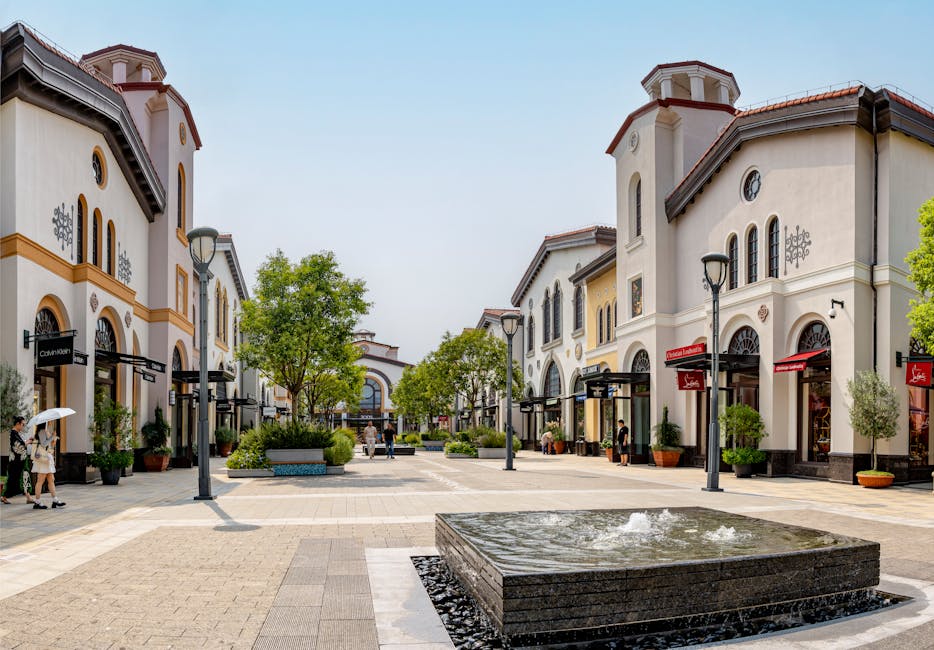
The luxury outlet mall exists in a state of pleasant deception: the brands want you to believe you're getting current-season merchandise at deep discounts; the reality is that most outlet stock is produced specifically for outlet channels—lower-quality materials, simplified construction, exclusive (meaning downgraded) product lines—with only a small percentage of genuine overstock or previous-season merchandise. This isn't unique to Asian outlets; it's the global outlet model, and understanding it prevents the specific disappointment of returning home with a "Gucci" bag that the Gucci flagship wouldn't recognize as its own. With that caveat established, Asian outlet malls offer genuine value for savvy shoppers, particularly on Japanese and Korean domestic brands, sportswear, and the occasional authentic overstock piece that represents real savings on real luxury.
Gotemba Premium Outlets, Japan
Gotemba, at the base of Mount Fuji roughly 90 minutes from Tokyo by highway bus (¥1,800 from Shinjuku Expressway Bus Terminal), is Asia's most prestigious outlet mall and the one where genuine luxury discounts are most consistently available. The 290-store complex includes outlets for Gucci, Prada, Bottega Veneta, Saint Laurent, Balenciaga, Alexander McQueen, and Dior alongside Japanese brands like Issey Miyake, Comme des Garçons, United Arrows, and Beams. The setting—a village-like layout with views of Mount Fuji on clear days—is pleasant in a way that most outlet malls aren't, and the Japanese service culture means the shopping experience is efficient and comfortable even during busy periods.
Where Gotemba delivers real value: Japanese brands. The Comme des Garçons outlet stocks genuine previous-season pieces at 40-60% off, which means a jacket that retailed for ¥80,000 might sell for ¥35,000. The Issey Miyake outlets (Pleats Please, Bao Bao) offer overstock at 30-50% off—a Bao Bao bag for ¥15,000 instead of ¥25,000-30,000. The sportswear outlets—Nike, Adidas, New Balance—are consistently well-stocked with previous-season models at 30-50% discounts. The luxury European brands are more mixed: genuine overstock appears irregularly, and much of the inventory is outlet-exclusive product at prices that represent value only if you evaluate the product on its own merits rather than comparing it to mainline merchandise.
The Mount Fuji Factor
Gotemba's location provides a secondary attraction that no other outlet mall can match. On clear days—most common in autumn and winter—Mount Fuji is visible from throughout the complex, and the view of the mountain framed by outlet shops creates a juxtaposition that's either culturally dissonant or perfectly Japanese depending on your perspective. The Fuji area around Gotemba also offers onsens, hiking trails, and Lake Kawaguchiko, making it possible to combine an outlet trip with outdoor activities for a day trip that doesn't feel entirely consumed by commerce.
Yeoju Premium Outlets, South Korea
Yeoju, about 90 minutes southeast of Seoul by shuttle bus (free from Gangnam Express Bus Terminal), is Korea's largest outlet complex and the go-to destination for Korean shoppers seeking deals on both international luxury and domestic fashion brands. The anchor stores include the standard European luxury names (Gucci, Burberry, Coach, Michael Kors) alongside Korean brands like Kolon Sport, Bean Pole, and MCM that offer domestic market pricing that international visitors might not otherwise access. A Kolon Sport jacket, for example, might sell at the outlet for ₩150,000 ($113) versus ₩300,000 at a department store—genuine savings on a Korean brand that's well-made but overpriced at retail.
Yeoju's unique advantage is its beauty and cosmetics section. Korean skincare and makeup brands—Sulwhasoo, Laneige, Innisfree, Hera—maintain outlet stores with previous-season packaging and gift sets at 30-50% off retail. For visitors who plan to buy Korean beauty products anyway, the savings at Yeoju are significant enough to justify the trip: a Sulwhasoo set that costs ₩180,000 at a department store might sell for ₩100,000-120,000 at the outlet, and the products themselves are identical—only the packaging differs.
Other Asian Outlets Worth Knowing
Johor Premium Outlets in Malaysia, roughly 30 minutes from Singapore's Woodlands checkpoint, attracts Singaporean shoppers seeking prices that Singapore's retail rents make impossible. The exchange rate advantage (Singapore dollar to Malaysian ringgit) amplifies discounts, and the Coach, Kate Spade, and Tory Burch outlets in particular offer savings of 50-70% off Singapore retail prices. The logistics require a passport and border crossing, but the bus services from Singapore (JB Sentral shuttle, roughly S$5 each way) make the trip straightforward.
Mitsui Outlet Park in Malaysia (three locations near KL) offers a similar proposition for residents and visitors: international and Japanese brands at discounts amplified by Malaysia's lower price base. The Klia Sepang location, near the airport, is convenient for travelers with a layover long enough to shop. Hong Kong's Citygate Outlets in Tung Chung, adjacent to the airport and Ngong Ping 360 cable car, is the smallest operation on this list but the most conveniently located, with stores for Adidas, Nike, Coach, and Polo Ralph Lauren at 30-60% off. The proximity to the airport makes it a viable last-stop before departure.
The Honest Assessment
Outlet shopping in Asia is worth the trip under specific conditions: you're targeting Japanese or Korean domestic brands (where the savings are genuine and the product quality matches mainline), you're buying sportswear or casual fashion (where outlet-specific production is less problematic because the product category is less aspirational), or you've identified specific overstock pieces at genuine discounts (which requires visiting, inspecting, and evaluating rather than buying based on the brand name and the discount percentage). It's not worth the trip if you're expecting current-season luxury at half price (that doesn't exist at outlets), if you're buying based on perceived prestige rather than product quality (outlet luxury is a different product from mainline luxury), or if the travel time and transportation cost exceed the savings (always calculate the round-trip cost before counting your discounts).
The best luxury deals in Asian cities aren't at outlets—they're at department store sales (January and July in Japan, the same in Korea), tax-free shopping programs for tourists (Japan's 10% consumption tax refund, Korea's T-Free shops), and the resale market (Japanese secondhand luxury shops like Komehyo and Brand Off sell authenticated pre-owned pieces at 40-70% off retail with quality that matches new). The outlets are a pleasant day out with potential savings. The real deals require patience, timing, and the willingness to buy used.