Malls vs. Markets: The Battle for Asia's Shopping Soul
The mall offers climate control, escalators, and the comforting fiction that all choices have been curated for you. The market offers chaos, discovery, and the possibility that you'll find something you didn't know you wanted.
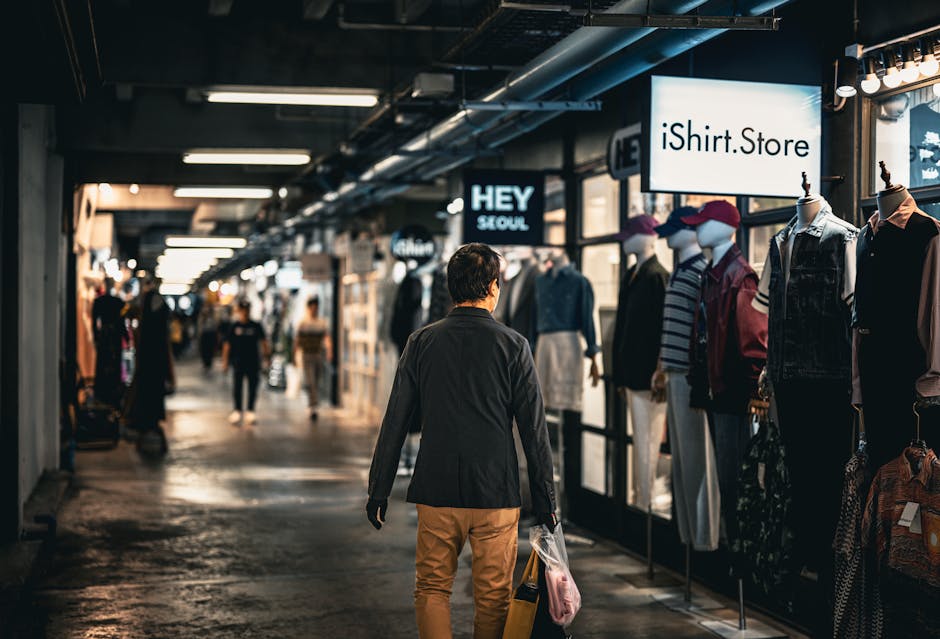
Two Shopping Philosophies
Walk into any major mall in Singapore, Bangkok, or Kuala Lumpur and you'll encounter the same brands in the same configuration with the same background music and the same temperature—a seamless, globalized retail experience that could exist anywhere on Earth with central air conditioning and a Zara franchise. Walk into a market in any of these same cities and you enter a universe so specific to its location that transplanting it would be as absurd as transplanting a forest: the vendors, the products, the smells, the pace, the social dynamics, and the unwritten rules of negotiation are all artifacts of that particular place and that particular culture, irreplaceable and untranslatable.
This isn't a morality play where markets are "authentic" and malls are "soulless"—that framing is lazy and ignores the real benefits that modern retail provides. Malls offer air conditioning in tropical climates where outdoor shopping can be genuinely unpleasant for six months of the year. They offer standardized quality that eliminates the risk of counterfeit or substandard goods. They provide accessibility features that open-air markets rarely do: elevators, wheelchair ramps, accessible restrooms. And for many Asian consumers, particularly the emerging middle class, malls represent a form of social arrival—a space of comfort and aspiration that markets, however culturally rich, cannot provide. The question isn't which is better. It's what each model contributes to urban life and what we lose when one displaces the other.
The Mall Dominance
Asia has more shopping mall floor space than any other region, and the concentration is increasing. Bangkok alone has over 50 major shopping malls, with new ones opening annually despite what would appear to be market saturation. Singapore's Orchard Road corridor contains roughly 20 malls within a 2.2-kilometer stretch. Kuala Lumpur's malls—Pavilion, Suria KLCC, Mid Valley Megamall—function as de facto public squares, air-conditioned gathering spaces where families spend weekends, teenagers socialize, and elderly residents walk laps for exercise because the heat outside makes actual parks uncomfortable for much of the day.
The most sophisticated Asian malls have evolved well beyond retail. Siam Paragon in Bangkok houses a concert hall, an aquarium, and a cinema with leather recliners alongside its fashion brands. Funan in Singapore includes a climbing wall, a co-living space, an indoor soccer pitch, and a rooftop urban farm. These additions reflect the recognition that pure retail—the traditional model of putting products in stores and waiting for customers to buy them—is declining in the face of e-commerce, and that malls must transform into experiential destinations to survive. The most successful malls in Asia now spend more on entertainment, food, and community programming than on traditional retail tenancy, which is a fundamental shift in the business model that's reshaping urban commercial architecture.
The Mall as Public Space
In cities where outdoor public space is limited, hostile (due to heat, rain, or pollution), or nonexistent, malls function as the primary indoor public space—and this function creates genuine civic value even if the space is privately owned and commercially motivated. The elderly walkers at Mid Valley Megamall are getting exercise in a safe, climate-controlled environment. The teenagers at Siam Paragon are socializing in a space with functioning restrooms and free wifi. The families at VivoCity in Singapore are spending time together in an environment designed for comfortable coexistence. These uses are real and valuable, even if they occur within a commercially motivated framework, and dismissing them because they happen inside a mall rather than a park or a plaza misunderstands how people actually use space in tropical Asian cities.
What Markets Do That Malls Can't
Markets contribute to urban life in ways that malls cannot replicate regardless of investment or design. The first is economic accessibility: a vendor can operate a market stall with minimal capital, no franchise fee, and overhead costs that are a fraction of mall retail space. This low barrier to entry makes markets engines of entrepreneurship and economic mobility, particularly for migrants, women, and working-class operators who lack the capital or connections for formal retail. Bangkok's Chatuchak Weekend Market, with over 15,000 stalls, is not just a shopping destination—it's an economic ecosystem that supports tens of thousands of families and provides a testing ground for businesses that may eventually outgrow it.
The second is cultural specificity. Markets sell things that malls don't stock because the margins are too low, the demand is too local, or the product requires expert knowledge to buy and sell. The dried seafood traders of Sheung Wan, the spice vendors of Little India in Singapore, the fabric merchants of Chatuchak's textile section, the antique dealers of Portobello Road—these specialists provide goods and knowledge that mass retail cannot, and their disappearance represents not just a loss of commerce but a loss of cultural knowledge that took generations to accumulate.
The third is social texture. Shopping in a market involves human interaction—negotiation, recommendation, conversation, the exchange of information that accompanies the exchange of goods. A vendor who remembers your name, knows your preferences, and adjusts their offering based on years of relationship provides a commercial experience that's also a social experience, and the absence of this texture in mall shopping is something that even the most sophisticated retail design cannot compensate for.
The Displacement Dynamic
Across Asia, traditional markets are closing at rates that alarm preservationists, urbanists, and the communities they serve. Singapore's wet markets, while still functioning, have seen vendor counts decline as younger generations choose supermarkets and food delivery over the 5 AM wake-up that wet market shopping requires. Bangkok's street vendors have been progressively removed from major thoroughfares under successive city governments, ostensibly for pedestrian safety but functionally transferring commercial activity from the street (accessible, cheap, entrepreneurial) to malls (controlled, expensive, corporate). Taipei's traditional markets are shrinking as the buildings that house them age and the real estate beneath them appreciates.
The pattern is consistent: markets occupy valuable urban land; the land becomes more valuable as the city develops; developers offer prices that market operators or their landlords can't refuse; the market closes; a mall or a condominium replaces it. This process is economically rational and culturally devastating, and the cities that have resisted it most effectively—Taipei with its night market preservation policies, Singapore with its government-supported hawker center renovation program, Seoul with its traditional market modernization investments—have done so through deliberate policy intervention rather than market forces, because market forces, left to their own logic, will always replace a ¥500 ramen stall with a ¥5,000-per-square-meter retail space.
Both, Not Either
The cities that get shopping right—Taipei, Tokyo, Singapore—don't choose between malls and markets. They maintain both, recognizing that each serves functions the other cannot. They invest in market infrastructure (modernized facilities, improved sanitation, better access) while allowing malls to evolve as experiential destinations. They protect market vendors from displacement through policy tools like rent subsidies, heritage designations, and land-use regulations that prevent the conversion of market land to other uses.
The worst outcomes happen when cities treat the choice as binary: all-mall (Dubai, which built commercial infrastructure without commercial culture) or all-market (which no functional city has chosen, because the benefits of organized retail are real). The goal isn't preservation for nostalgia's sake or modernization for progress's sake. It's urban commercial diversity—a shopping landscape where a resident can buy a designer jacket at a mall, negotiated spices at a wet market, and a perfect bowl of noodles from a street stall, all within the same city, the same day, the same life. The cities that achieve this diversity are the ones worth living in. The ones that sacrifice it for the efficiency of a single model are the ones that feel, despite their GDP and their gleaming towers, like they're missing something that no amount of retail square footage can replace.