Music Festivals in Asia Worth Flying For
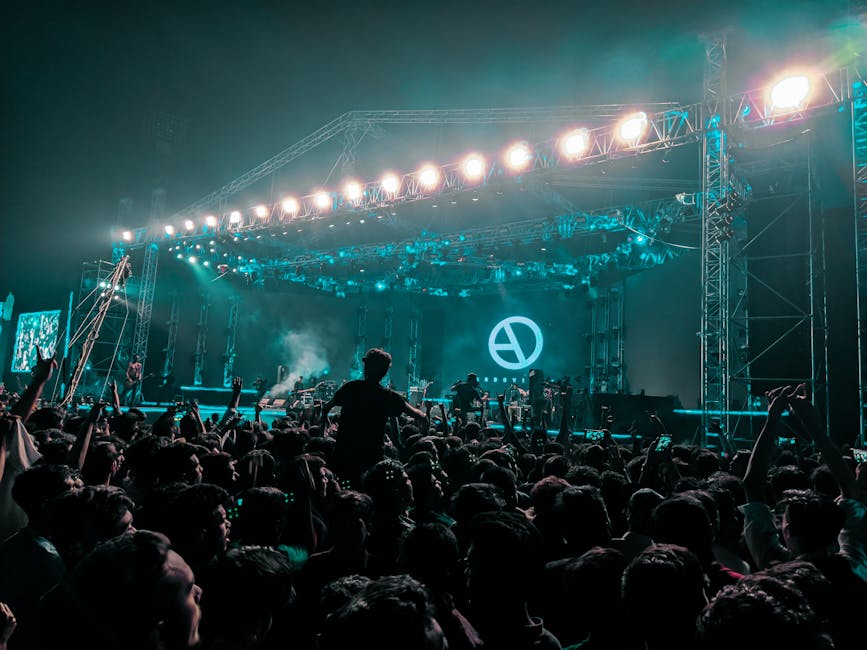
Coachella gets the press. Fuji Rock gets the rain, the mountains, and the music that you'll still be talking about five years later.
Beyond the Mega-Festivals
Asia's festival circuit has matured past the point where "it's a music festival in Asia" is a sufficient selling point. The region now hosts festivals that compete with the best in the world on lineup quality, production value, and overall experience—and that offer something the Western festival circuit increasingly doesn't: a sense of discovery, of encountering artists and audiences and settings that couldn't exist anywhere else.
Fuji Rock Festival, Japan
Fuji Rock, held annually in late July at the Naeba Ski Resort in Niigata Prefecture, is Asia's most prestigious music festival and one of the world's best by any measure. The lineup mixes international headliners (Radiohead, The Cure, Kendrick Lamar in recent years) with Japanese artists spanning every genre from noise rock to folk, and the setting—stages scattered through a mountain forest at 900 meters elevation, connected by boardwalks over streams and through cedar groves—is unlike any other festival environment on the planet. It rains at Fuji Rock. It rains hard, frequently, and with a persistence that transforms the site into a mud landscape that would break a lesser festival's spirit. The crowd puts on rain boots, pulls on ponchos, and dances anyway, because the combination of music, mountains, and rain produces a shared experience of joyful resilience that dry festivals can't generate.
Three-day passes cost ¥49,800 ($334), camping is available on-site for an additional fee, and the logistics involve either a shinkansen to Echigo-Yuzawa station plus a shuttle bus (3 hours from Tokyo) or a direct bus from Shinjuku. The food—festival food elevated to Japanese standards, which means onigiri, ramen, yakisoba, and curry prepared with care that would be conspicuous at other festivals—is excellent and reasonably priced. The crowd is the most well-behaved at any major festival in the world: Japanese festival etiquette includes carrying your own trash (there are no ground bins), not talking during performances, and forming orderly lines for everything.
The Green Stage at Midnight
Fuji Rock's soul lives at the smaller stages after the headliners finish. The Field of Heaven, deep in the forest and accessible via a path lit by paper lanterns, hosts world music, dub, and electronic acts until dawn in a clearing that feels enchanted in a way that sober description can't capture. The Crystal Palace Tent, in the bowl beneath the main stage, programs DJs and electronic acts until the small hours. And the free All Night Fuji stages—no additional ticket required—ensure that the music literally never stops from Friday afternoon through Sunday evening.
Wonderfruit, Thailand
Wonderfruit, held annually in December at The Fields at Siam Country Club near Pattaya (2 hours from Bangkok), is the festival that people who've been to Burning Man describe as "what Burning Man used to feel like." The format blends music (predominantly electronic, with stages programmed by international promoters including Resident Advisor), art installations (large-scale works commissioned from Thai and international artists), wellness programming (yoga, meditation, breathwork), and sustainability initiatives (the festival's commitment to zero-waste operations and environmental education is genuine rather than performative). Four-day passes run ฿9,990 ($286), glamping options range from ฿5,000 to ฿30,000 per night, and the crowd mixes Bangkok's creative class with international festival tourists in a ratio that keeps the energy diverse.
Clockenflap, Hong Kong
Clockenflap, Hong Kong's premier music and arts festival, returned in 2023 after a pandemic hiatus and has reestablished itself as the best city-based music festival in Asia. The setting—the Central Harbourfront with the Hong Kong skyline as a backdrop—provides a stage design that no amount of production budget could replicate, and the lineup balances international headliners with a deep Asian artist card that showcases musicians from Hong Kong, Japan, Korea, Southeast Asia, and China. Three-day passes are HK$1,800 ($230), and the festival's central location means that attendees can return to their hotels, eat at nearby restaurants, and come back—a flexibility that remote-location festivals can't offer.
Zandari Festa, Seoul and Neon Lights, Singapore
Zandari Festa, held annually in October across multiple venues in Seoul's Hongdae neighborhood, is Asia's best showcase festival—the SXSW equivalent for the Asian indie music scene. Over 200 acts perform across 20+ venues over four days, with a wristband pass costing ₩60,000 ($45) for full access. The format—moving between small clubs, discovering unknown bands, catching a set at midnight and another at 2 AM—provides a festival experience defined by discovery rather than headliners, and the quality of Korean, Japanese, and Southeast Asian indie music on display makes a case for the region's creative output that no streaming algorithm could replicate.
Neon Lights in Singapore, held at Fort Canning Park in the city center, offers a more curated experience—two stages, a carefully selected lineup of 15-20 acts, and a production quality that's polished without being corporate. Two-day passes are S$248 ($186), and the intimate scale (capacity around 8,000) creates an atmosphere that mega-festivals sacrifice for revenue.
The Practical Advice
Festival logistics in Asia differ from Western norms in a few key ways. First, the heat: outdoor festivals in tropical Asia (Wonderfruit, most Southeast Asian events) require heat management—hydration, shade, pace—that European and North American festival-goers may underestimate. Second, the transportation: Asian festivals at remote locations (Fuji Rock, Wonderfruit) require advance planning for transportation, as the ride-hailing services that work in cities may not operate at festival sites. Third, the accommodation: camping culture at Asian festivals is less developed than in Europe, and many attendees stay at nearby hotels and commute to the site daily, which is a viable strategy at festivals with good shuttle services. Fourth, and most importantly: Asian festival audiences are exceptionally respectful—of each other, of the performers, and of the venue. The festival experience in Asia is communal in a way that the individualistic, selfie-driven Western festival culture increasingly isn't, and participating in that communal energy is as much a reason to attend as the music itself.