Adoption Culture in Asian Cities: Pets, Not Purchase
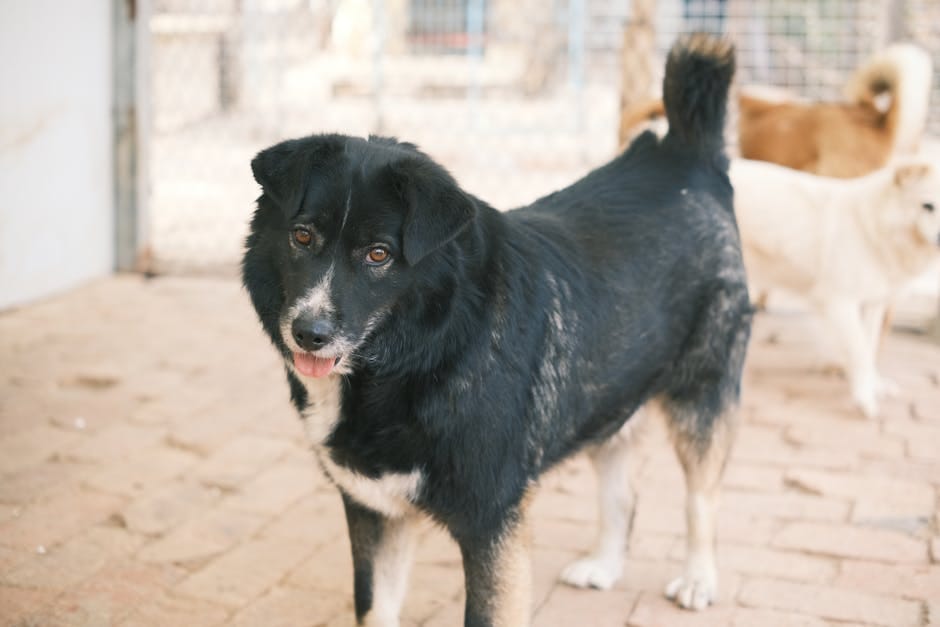
The pet shop window used to be where Asian pet ownership started. Increasingly, it starts at a shelter, a foster home, or a social media post about a dog that needs a second chance.
The Shift
For decades, pet ownership in most Asian cities followed a commercial model: puppies and kittens purchased from pet shops, bred to specification, selected for pedigree, and treated as consumer products with price tags reflecting breed rarity and aesthetic appeal. A purebred Toy Poodle in Seoul costs ₩2-5 million ($1,500-$3,750). A Scottish Fold kitten in Tokyo sells for ¥200,000-400,000 ($1,340-$2,680). The pet shop model—with its window displays of puppies under fluorescent lights, its questionable breeding practices, and its treatment of animals as inventory—remains the dominant channel for pet acquisition in most Asian cities. But a countervailing movement is gaining ground, driven by social media, government policy, and a generation of pet owners who've decided that the ethical problems of commercial breeding are not problems they want to participate in.
Adoption rates in Seoul have increased from roughly 15% of new pet acquisitions in 2018 to over 30% in 2024, according to the Korean Animal Welfare Association. Tokyo's adoption rate has risen from under 10% to approximately 20% in the same period. Bangkok's rescue shelter network has expanded from a handful of organizations to over 50 active groups. These numbers still represent a minority of total pet acquisitions, but the trajectory is steep and the cultural shift underlying the numbers—from pet-as-product to pet-as-family-member, from breeder-as-supplier to shelter-as-community—represents a fundamental change in how Asian cities relate to animals.
Seoul: Policy Meets Passion
Seoul has implemented the most progressive pet adoption policies in Asia, driven by a combination of government mandate and citizen activism. The Seoul Animal Welfare Center, operated by the city government, houses roughly 2,000 animals at any time and facilitates over 5,000 adoptions annually through a process that includes behavioral assessment, health screening, and post-adoption support. Adoption fees are nominal—₩50,000-100,000 ($38-$75), covering vaccination and spaying/neutering—and the center provides a two-week trial period during which adopters can return the animal if the match doesn't work, which reduces the fear-of-commitment barrier that prevents many potential adopters from proceeding.
The Korean adoption community has also leveraged social media with extraordinary effectiveness. Instagram accounts like @korean_rescue_dogs (180,000 followers) and @adopt_korea (95,000 followers) profile available rescue dogs with professional photographs and personality descriptions that transform adoption listings from institutional notices into emotional narratives. The dogs are photographed in warm lighting with props and backgrounds that rival commercial pet photography, and the biographical details—"Mochi was found abandoned near Busan station and is now ready for her forever home; she loves belly rubs and is suspicious of vacuum cleaners"—create connections between potential adopters and specific animals that shelter visits alone cannot achieve at scale.
The Dog Meat Transition
South Korea's relationship with pet adoption intersects with its ongoing transition away from dog meat consumption—a practice that has declined dramatically (from 30% of the population reporting consumption in the 1990s to under 10% in recent surveys) but remains legal and culturally sensitive. The National Assembly passed a bill in 2024 banning the breeding and slaughter of dogs for consumption, with a three-year transition period, and the closure of dog meat farms has produced a population of dogs requiring rescue and rehoming. Several adoption organizations, including Save Korean Dogs and KARA (Korea Animal Rights Advocates), specialize in rehabilitating and rehoming dogs from former meat farms—a process that requires patience, behavioral expertise, and adopters willing to work with animals that may have experienced trauma.
Tokyo: Quiet Growth
Japan's adoption movement has grown more quietly than Korea's but with significant institutional support. The Tokyo Metropolitan Government operates the Tokyo Animal Care and Consultation Center, which has shifted its mission from primarily euthanizing unclaimed strays (the historical function) to primarily rehabilitating and rehoming them, with the euthanasia rate dropping from over 90% in the early 2000s to under 5% in 2024. The shift reflects both policy change and community effort: a network of foster families, adoption events, and volunteer organizations has created infrastructure that prevents most surrendered or stray animals from reaching the euthanasia stage.
Animal refuge Kansai (ARK), founded by British-born Elizabeth Oliver in 1990 and operating facilities in Osaka and Tokyo, is Japan's most prominent adoption organization. ARK houses roughly 400 animals (dogs and cats) at its Osaka facility, with an adoption process that includes home visits, lifestyle assessments, and a matching system that pairs animals with compatible households. The rigor of the process—which some potential adopters find excessive—reflects a philosophy that adoption failure (the animal being returned) is worse than adoption delay, and ARK's return rate of under 3% supports the approach.
Bangkok: The Soi Dog Movement
Bangkok's adoption culture is shaped by the city's unique relationship with street dogs (soi dogs), which number in the hundreds of thousands and occupy a cultural position somewhere between community pets and public nuisance. Soi dogs are generally tolerated and often fed by neighborhood residents, but they also suffer from disease, malnutrition, traffic injuries, and occasional culling by local authorities. The Soi Dog Foundation, headquartered in Phuket but operating nationally, has become Thailand's most important animal welfare organization, running sterilization programs (over 800,000 dogs and cats sterilized since 2003), medical treatment, and an international adoption program that places Thai rescue dogs with families in North America, Europe, and within Thailand.
For Bangkok residents, adopting a soi dog has become a social signifier of a particular kind of urban consciousness—the recognition that the city's street animals deserve better than indifference, combined with the practical acknowledgment that adoption provides companionship that purchased pets provide equally well, at a fraction of the cost and with the added benefit of saving a life. The adoption process through organizations like Soi Dog Foundation or Bangkok's SCAD (Second Chance Animal Rescue) typically involves a modest fee (฿3,000-5,000 / $86-$143, covering vaccination and sterilization), a home check, and an adoption contract that commits the owner to basic care standards.
Why This Matters
The growth of pet adoption culture in Asian cities matters beyond the individual animals it saves because it represents a broader shift in how these societies relate to non-human life. The commercial pet model treats animals as products—bred to specification, sold for profit, discarded when inconvenient. The adoption model treats animals as beings with individual histories, personalities, and claims to care that exist independently of their market value. This isn't sentimentalism—it's a practical ethics that recognizes that a mixed-breed rescue dog provides the same companionship, the same health benefits, and the same emotional connection as a purebred purchased from a breeder, while also addressing the surplus animal population that commercial breeding creates.
The cultural change is incomplete—pet shops still vastly outnumber shelters in every Asian city, and the demand for purebred pets remains strong—but the direction is clear and the pace is accelerating. Every adoption post that goes viral, every celebrity who publicly adopts rather than purchases, every government policy that supports shelters over breeders shifts the norm incrementally, and norms, once shifted, are remarkably difficult to shift back. The pet shop window is still bright. But the shelter door is opening wider.