The Library Came Back: How Asia Turned the Quietest Building in the City Into Its Liveliest
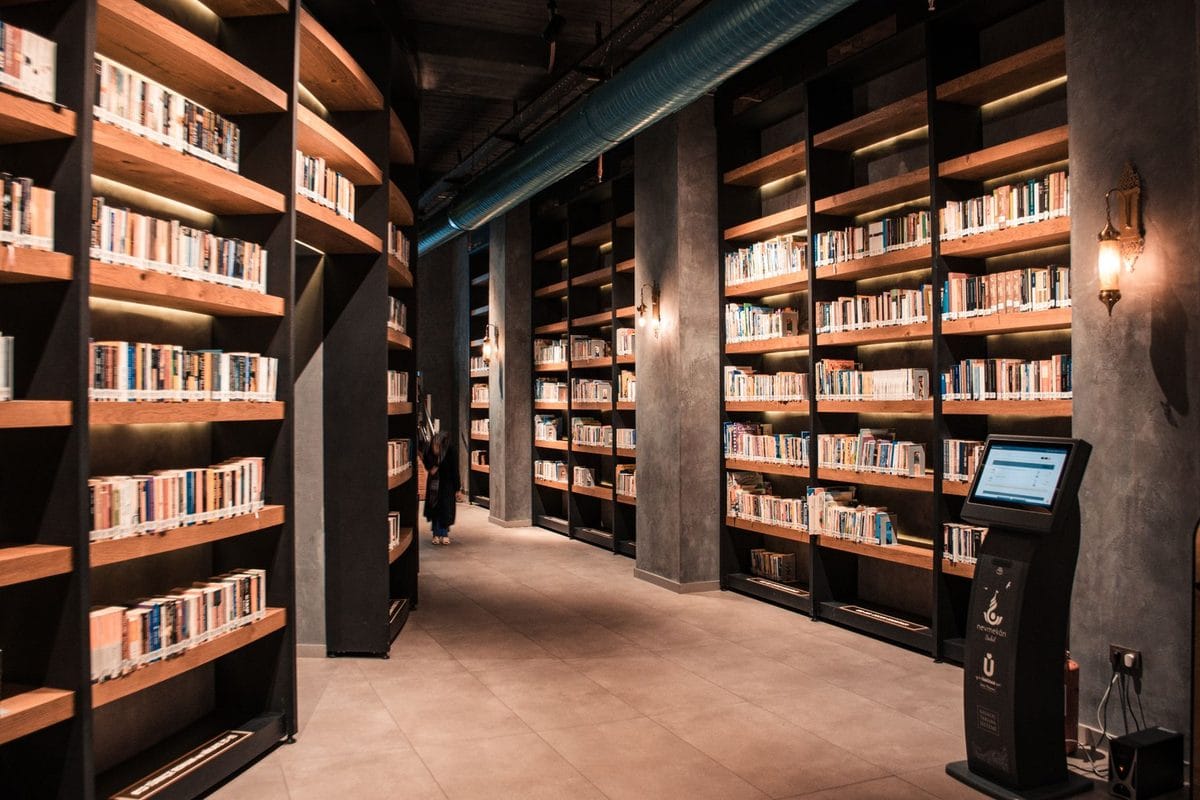
Walk into the Tianjin Binhai library on a Saturday and you'll struggle to find a seat. The same is true of the National Library Board's newest branches in Singapore, of Seoul's Starfield COEX hall, of the redesigned wings of Tokyo's ward libraries. Somewhere in the last few years, the public library in Asia stopped being a place you went to be quiet and became a place you go to be among people. It is, quietly, one of the great urban turnarounds of the decade.
For most of the twentieth century the library was a verb-free building — somewhere to borrow a book and leave. The new Asian library is the opposite. It's loud in the children's wing, busy in the cafe, full of teenagers doing homework they could technically do at home, and packed with people who haven't checked out a book in years. The book is no longer the point. The room is.
Why the timing made sense here first
Asian cities had a specific problem the library turned out to solve. Apartments are small, often shared, frequently too hot or too cramped to think in. A young person in Hong Kong or Seoul or Taipei may have no quiet corner at home and no money to buy three hours of cafe time every day. The library offers what the city otherwise charges for: a comfortable seat, air conditioning, a desk, a toilet, and the simple right to stay without buying anything.
That last part is the whole revolution. In a dense Asian city where almost every square metre is monetised — you pay to sit, pay to browse, pay to linger — a building where you can spend an entire day for free is close to radical. The library is the last great piece of urban space that doesn't want your money.
The architecture stopped apologising
The buildings themselves changed. The Tianjin library's now-famous central atrium, with its undulating white shelves rising like a canyon around a glowing sphere, was designed to be photographed — and it is, endlessly. Critics sniffed that many of the upper shelves hold printed images of books rather than the real thing. They missed the point entirely.
The point was never the books on those particular shelves. It was that a city government decided a library should be the most striking building in the district, not the dullest. When the architecture announces that this place matters, people treat it as a place that matters.
A library that looks like a cathedral gets used like a town square. A library that looks like a filing cabinet gets used like one.
What people actually do there now
Spend an afternoon watching and the uses multiply. Retirees read the newspapers that they'd otherwise have to buy. Students treat it as a free co-working desk, especially in exam season when it fills before opening. Parents bring small children to the storytelling sessions because a free indoor activity in a rainy or blistering city is gold. Job-seekers use the computers and the printers. And a surprising number of people simply come to be around other people without the obligation to interact — the company of strangers, which a lonely city makes scarce.
There's a tension in this that the librarians feel daily. A building that serves everyone serves no single group perfectly, and the person who wants silence to study now competes with the toddler group and the cafe chatter. Most Asian libraries have solved it with zoning — loud floors and silent floors, bookable rooms and open commons — but the friction never fully disappears, and arguably it shouldn't. A public space with no friction is a public space nobody really uses.
The model worth copying
If you want to see where this goes, look at Singapore, which treats its libraries as deliberate civic infrastructure rather than cultural decoration. Branches are wired into shopping malls and transit hubs where people already are, open late, and stocked as much with maker-space equipment and study pods as with books. The library isn't a destination you make a special trip for. It's on the way home.
That's the insight other cities keep missing. The successful Asian library didn't win by being a better book repository. It won by becoming the one place in an expensive, crowded, fast city where a person of any age or income can sit down, stay as long as they like, and be left alone in good company. Build that, and the queue forms itself.