Brunch Culture in Asian Cities: A $25 Eggs Benedict and What It Means
Brunch in Asia started as an import. Somewhere between the smashed avocado and the third mimosa, it became something the cities made their own.
The Weekend Ritual Nobody Expected
Ten years ago, the idea of waiting in line for forty-five minutes on a Sunday morning to eat eggs and toast at a price that would buy a full Cantonese dim sum spread would have been absurd in most Asian cities. Brunch was an alien concept—a Western indulgence tied to a Western lifestyle pattern where Saturday nights run late and Sunday mornings start slow, neither of which mapped naturally onto Asian working culture where weekends were shorter, family obligations were stronger, and the idea of paying $20 for a plate of food you could make at home for $2 bordered on the morally questionable. Then something shifted. Whether it was Instagram creating visual aspirations, the growth of a professional class with disposable weekend time, or simply the quality of the food at the restaurants that opened, brunch became embedded in the urban culture of Seoul, Tokyo, Bangkok, Hong Kong, Singapore, and Taipei with a speed and enthusiasm that caught even its early adopters off guard.
The numbers tell the story more efficiently than any cultural analysis. Seoul's Gangnam district now has over 200 restaurants that serve dedicated brunch menus. Bangkok's Thonglor neighborhood added roughly 40 brunch-focused restaurants between 2020 and 2025. Singapore's brunch market is estimated at S$180 million annually, driven by a combination of tourist spending and local demand that shows no signs of plateauing. These aren't small numbers, and they represent a genuine cultural adoption rather than a passing trend—brunch in Asia has its own rituals, its own social functions, and increasingly its own culinary identity that diverges from the Western template.
Seoul: Brunch as Performance
Seoul approaches brunch with the aesthetic seriousness it applies to everything from K-pop to convenience store design. A brunch restaurant in Gangnam or Hannam-dong isn't just a place that serves food in the morning—it's a designed experience where the tableware, the lighting, the music, and the plating are calibrated to produce photographs as much as meals. This sounds cynical, and sometimes it is, but the best Seoul brunch spots have figured out that the performance and the substance can coexist, and that a beautifully plated dish that also tastes exceptional is not a contradiction but a competitive advantage.
Bills, the Australian brunch chain that opened its Seoul outpost in Hannam-dong, serves ricotta hotcakes at ₩24,000 ($18) that are thick, fluffy, and served with honeycomb butter and banana—the same dish that built the brand's reputation in Sydney, executed with the consistency of a franchise operation and presented with the care of a tasting menu. The line on weekends starts at 9:30 AM for a 10:00 AM opening, and the crowd is predominantly Korean couples and friend groups rather than tourists, which speaks to the depth of local adoption. Egg Slut, the Los Angeles import in Samcheong-dong, draws similar crowds for its signature egg sandwich at ₩15,000 ($11.30), wrapped in parchment paper and presented with the studied casualness that is actually the most difficult aesthetic to achieve.
Beyond the imports, Korean-original brunch spots are increasingly the more interesting option. Meal° in Yeonnam-dong serves Korean-inflected brunch plates—soft tofu with poached eggs, kimchi fried rice with a runny yolk, doenjang (fermented soybean paste) hollandaise on smoked salmon—that use local ingredients and traditional techniques in combinations that Western brunch menus can't produce. A plate runs ₩16,000-22,000 ($12-16.50), and the quality of the cooking, particularly the way fermented flavors are used to add depth to breakfast-standard dishes, represents a genuine culinary contribution rather than a cultural import with Korean packaging.
The Coffee Pairing
Seoul's brunch culture is inseparable from its coffee culture, and the two industries feed each other in ways that raise the overall quality of both. A brunch restaurant without an excellent coffee program is dead on arrival in Seoul, because Korean consumers expect specialty coffee as a baseline rather than a premium. This means even mid-range brunch spots invest in quality espresso machines, trained baristas, and beans from reputable Korean roasters—a floor of coffee quality that American and European brunch restaurants rarely match.
Bangkok: Value and Volume
Bangkok's brunch scene splits into two distinct markets that barely overlap. The first is the hotel brunch, a weekly event at establishments like The Siam, Mandarin Oriental, and Banyan Tree that offers sprawling buffet spreads for ฿2,500-4,500 ($72-$129) per person, often including free-flow champagne and a live jazz ensemble. These are special-occasion brunches—birthday celebrations, anniversary meals, visiting-parent events—and they deliver extraordinary value for the sheer volume and quality of food on offer. The Siam's Sunday brunch, at ฿3,500 per person with champagne, includes a raw bar, a BBQ station, a Thai food section, a Japanese sushi counter, and a dessert table that stretches the length of a bowling lane. It's excessive by any measure, and it's magnificent.
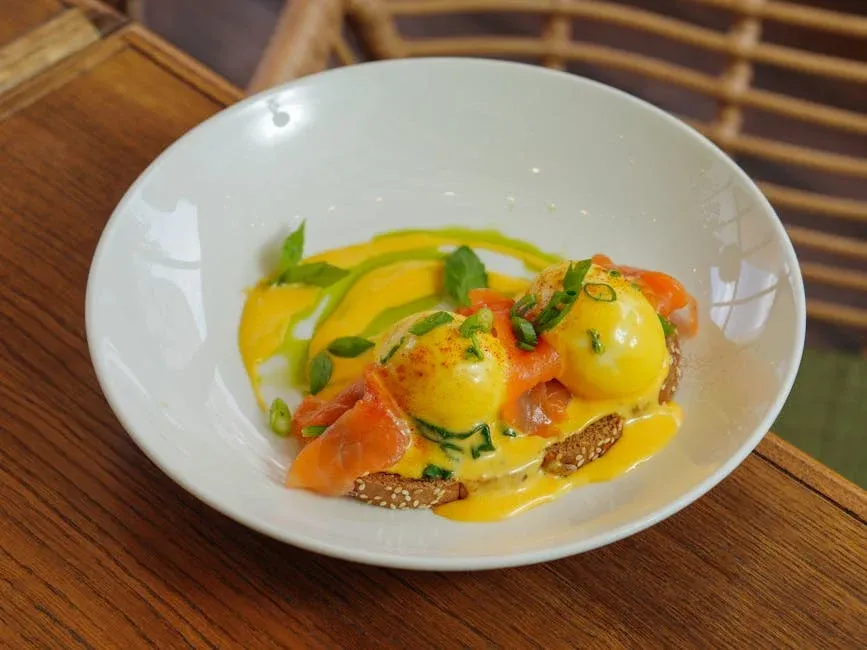
The second market is the neighborhood brunch spot, concentrated in Thonglor, Ari, and Ekkamai, where independent restaurants serve plated brunch at ฿250-500 ($7-$14) per dish. The quality here is high enough that the price feels like a privilege rather than a compromise—Bangkok's fresh produce, talented cooks, and competitive restaurant market produce brunch plates that would cost two or three times as much in Sydney or London. Roast in Thonglor does eggs Benedict with Thai-spiced crab for ฿380 ($11). Gram in Ari serves Japanese soufflé pancakes for ฿265 ($7.60) that wobble with the precarious structural integrity of something that shouldn't exist but does. Libertine Social in the Aloft hotel does bottomless brunch for ฿1,200 ($34) including free-flow prosecco and a menu that changes monthly.
Singapore and Hong Kong: Premium Brunch
In Singapore and Hong Kong, where dining costs reflect some of the world's highest commercial rents, brunch occupies a price tier that would provoke genuine shock in Bangkok or Taipei. A standard brunch for two—two mains, two coffees, possibly a juice—will run S$80-120 ($60-$90) in Singapore's popular neighborhoods and HK$500-800 ($64-$102) in Hong Kong's Central and Mid-Levels districts. These prices buy quality: the eggs are free-range, the salmon is sustainably sourced, the sourdough is house-baked, and the service matches the investment. But they also reflect a market dynamic where the real estate cost embedded in every plate of food is higher than the cost of the ingredients.
The standouts in Singapore include Tiong Bahru Bakery's weekend brunch menu (croissant French toast at S$22 that justifies the trip to Tiong Bahru on its own), Atlas Coffeehouse in Bukit Timah (banana soufflé pancakes at S$20 that rival Gram's), and Symmetry in Bugis, which has been serving some of Singapore's best brunch since 2013 with a menu that evolves seasonally but always includes a spectacular shakshuka at S$24. In Hong Kong, the champion is Elephant Grounds in Wan Chai, where the Japanese-inspired brunch menu includes a tamago sando (egg sandwich) at HK$98 that's perfect in its simplicity and an iced coffee on tap at HK$55 that's nitro-cold-brewed and smooth enough to drink without sugar.
What Brunch Means in Asia
The cultural significance of brunch in Asian cities extends beyond the food itself. In societies where intergenerational family meals are the traditional weekend ritual, brunch represents a peer-focused social alternative—a meal you choose to have with friends or a partner rather than one you're obligated to attend with family. This isn't a rejection of family (brunch-goers still attend family dinners), but it's an assertion of social autonomy that previous generations didn't exercise in the same way. The brunch table in Gangnam or Thonglor is where young professionals perform their independence, display their taste, and build the social networks that define their adult lives.
The Instagram dimension is real but overstated. Yes, many brunch photos end up on social media, and yes, some restaurants design their plating for the camera more than the palate. But reducing Asian brunch culture to an Instagram phenomenon misses the genuine pleasure that these meals provide: two hours of unhurried eating, drinking, and conversation in spaces designed for comfort, with food that's been prepared with care and served without rush. That experience exists whether or not anyone photographs it, and its popularity across diverse Asian cities suggests it addresses something more fundamental than the desire for content—something closer to the universal human need for ritualized leisure, shared meals, and a reason to get out of bed on Sunday that doesn't involve obligation.