The Dog Cafe Phenomenon: Why Asia Took Pet Culture Indoors
In a region where apartment living makes pet ownership difficult and loneliness is an emerging public health crisis, dog cafes have become something more meaningful than their Instagram presence suggests.
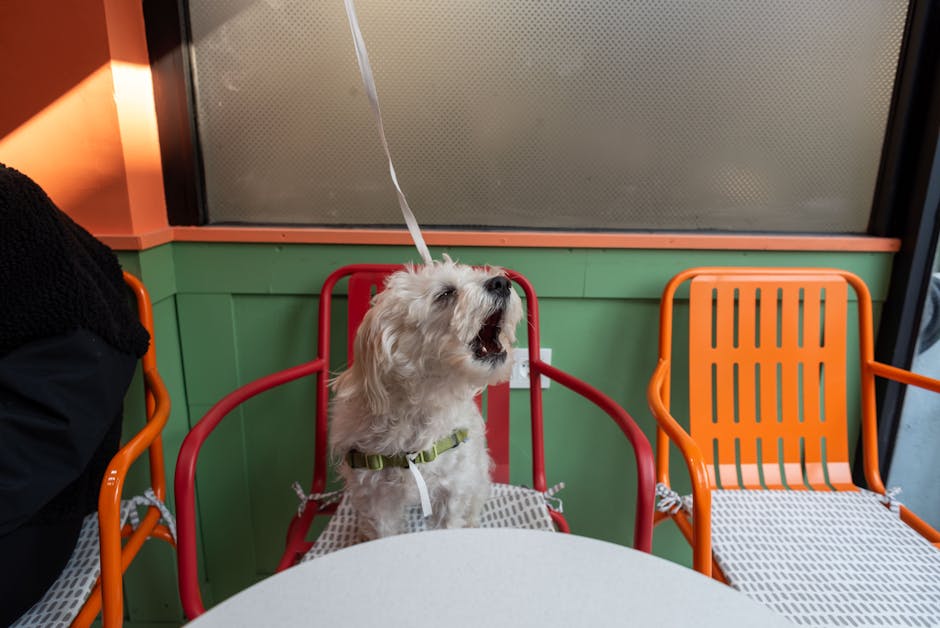
Not Just a Photo Opportunity
The first dog cafe opened in Seoul in 1998, a modest operation in Hongdae where customers could drink coffee while interacting with the owner's dogs. The concept was so intuitive that it spread across Asia within a decade—to Tokyo, Taipei, Bangkok, Singapore, and eventually to Western cities where it was treated as a quirky import. The Western media narrative framed dog cafes as a novelty: "Only in Asia!" type content that emphasized the cuteness factor without examining why the concept resonated so deeply in societies where it was invented. The actual reasons are more interesting and more poignant than the coverage suggested, and they connect to fundamental questions about how Asian cities house their populations, how loneliness manifests in densely populated places, and how commercial spaces can function as emotional infrastructure.
The core dynamic is straightforward. Most apartments in Seoul, Tokyo, and Bangkok either prohibit pets entirely or impose restrictions (size limits, breed bans, additional deposits) that make pet ownership impractical for renters—who constitute the majority of young urban residents in these cities. A 25-year-old office worker in Seoul living in a 20-square-meter studio with a no-pets clause has two options: accept a pet-free life or find an alternative channel for the human-animal connection that psychologists consistently identify as beneficial for mental health. Dog cafes provide that alternative, offering one to two hours of animal interaction for ₩12,000-15,000 ($9-$11.30) in Seoul, ¥1,500-2,500 ($10-$17) in Tokyo, or ฿200-350 ($5.70-$10) in Bangkok—prices that are accessible enough for regular visits rather than occasional indulgences.
Seoul: The Sophistication Leader
Seoul's dog cafe market is the most developed and most segmented in Asia, with operations ranging from large-scale commercial venues to intimate spaces specializing in specific breeds. Bau House Dog Cafe in Hapjeong, one of the city's most popular, houses approximately 20 dogs—predominantly small breeds like Corgis, Pomeranians, and French Bulldogs—in a spacious, clean environment with separate play areas and rest zones. Admission is ₩13,000 ($9.80) including a drink, and the time is unlimited, which means regular visitors often stay for two or three hours, developing relationships with specific dogs that the staff facilitate by remembering which customers prefer which animals.
The evolution of Seoul's dog cafe scene has produced increasingly specialized formats. Some cafes focus on large breeds (Huskies, Golden Retrievers, Samoyeds), addressing the specific demand from people who love big dogs but could never house one in a Korean apartment. Others function as adoption centers, partnering with rescue organizations to house dogs available for adoption—a model that's genuinely effective, as the extended interaction period at a cafe allows potential adopters to assess temperament and compatibility in ways that a brief shelter visit doesn't. Dog Cafe Gaene in Gangnam, which partners with multiple rescue groups, has facilitated over 500 adoptions since opening, which represents a meaningful contribution to Seoul's animal welfare ecosystem.
Cat Cafes and Beyond
The cafe format has extended well beyond dogs. Seoul alone has cat cafes (the dominant alternative), raccoon cafes, sheep cafes, meerkat cafes, and at least one cafe featuring capybaras. The animal welfare implications of these establishments vary enormously—a well-run dog cafe with spacious facilities, veterinary oversight, and restricted visitor numbers is a fundamentally different operation from a cafe that keeps exotic animals in small enclosures for photo opportunities. The Korean government introduced regulations in 2019 requiring animal cafes to maintain minimum space per animal, provide veterinary care, and limit operating hours, but enforcement varies and the exotic animal cafe segment, in particular, raises legitimate ethical concerns that the industry hasn't fully addressed.
Tokyo: Precision and Boundary Setting
Tokyo's dog cafes operate with the precision and rule-consciousness that characterizes Japanese service culture more broadly. At Moff Animal Cafe in Harajuku, the rules are posted at the entrance and enforced without exception: sanitize hands before entering, do not pick up dogs without staff permission, do not wake sleeping dogs, do not use flash photography, and maintain a calm demeanor. These rules, which might feel restrictive in other contexts, create an environment where the dogs are visibly relaxed rather than stressed—a crucial difference that separates well-managed cafes from ones that prioritize customer satisfaction over animal welfare.
The pricing in Tokyo reflects the city's premium economics: admission at most dog cafes runs ¥1,500-2,500 ($10-$17) for 30-60 minutes, with drinks charged separately. The time limit, common in Tokyo but rare in Seoul, keeps visitor density manageable and ensures the dogs have rest periods between sessions. Some Tokyo dog cafes offer extended-stay packages for regular visitors—monthly memberships that reduce the per-visit cost to roughly ¥1,000 ($6.70) and provide benefits like reserved seating and priority access during peak hours.
Bangkok: The Emerging Market
Bangkok's dog cafe scene is younger and less regulated than Seoul's or Tokyo's, but the growth trajectory is steep. TrueLove at Neverland, a large-format dog cafe in the Siam area, houses over 30 dogs in an indoor-outdoor space with a swimming pool that the dogs use frequently and that provides one of the cafe's main entertainment draws—watching a dozen Corgis swim is a pleasure that transcends cultural context. Admission is ฿299 ($8.55) including a drink, and the facilities are spacious enough that the dogs don't show the stress behaviors (excessive panting, hiding, aggression) that indicate overcrowding or overstimulation.
The Bangkok market also includes dog cafes attached to dog-grooming businesses and veterinary clinics, creating a commercial ecosystem where pet care and pet interaction coexist. These hybrid operations are often the best-run from an animal welfare perspective, because the veterinary expertise embedded in the business ensures the dogs receive proper health monitoring. ScalaDog in Ladprao exemplifies this model: a grooming salon with an attached cafe area where the salon's boarding dogs interact with customers between grooming appointments, providing socialization for the dogs and companionship for the customers in a mutually beneficial arrangement.
The Loneliness Connection
The deeper significance of dog cafes becomes visible when you map their proliferation against loneliness statistics. South Korea's single-person household rate reached 40% in 2024—the highest in Asia and among the highest globally. Japan's rate is comparable, and the phenomenon of hikikomori (social withdrawal) affects an estimated 1.5 million people. In these contexts, a dog cafe isn't a novelty business serving Instagram content; it's a low-barrier social space where human-animal interaction provides physiological benefits (reduced cortisol, increased oxytocin) that address the stress and isolation of urban life with remarkable efficiency.
Studies from Seoul National University (2022) and Keio University (2023) found that regular dog cafe visitors reported lower levels of perceived loneliness and higher levels of life satisfaction compared to control groups, with effects that persisted for 24-48 hours after visits. The research can't prove causation—people who visit dog cafes might be predisposed to social connection—but the correlation is strong enough that some Korean health authorities have begun recommending animal interaction as a component of mental health maintenance, not a replacement for therapy but a supplement that requires no prescription and costs less than a session with a counselor.
The next time someone dismisses dog cafes as a silly Asian fad, consider what they're actually providing: physical contact with a living creature, in a society where physical contact between humans is limited; genuine emotional connection, in cities where loneliness is epidemic; and a reason to leave the apartment and exist in a shared space with other humans, in cultures where the default option for leisure is increasingly the solitary screen. The coffee is usually mediocre. The dogs don't care. Neither do the humans, who came for something the coffee was never going to provide.