Jjimjilbang Culture: Why Korean Bathhouses Are the Best Third Place
A jjimjilbang is technically a bathhouse. Functionally, it's a living room, a bedroom, a restaurant, a social club, and a therapy session, all for about twelve dollars.
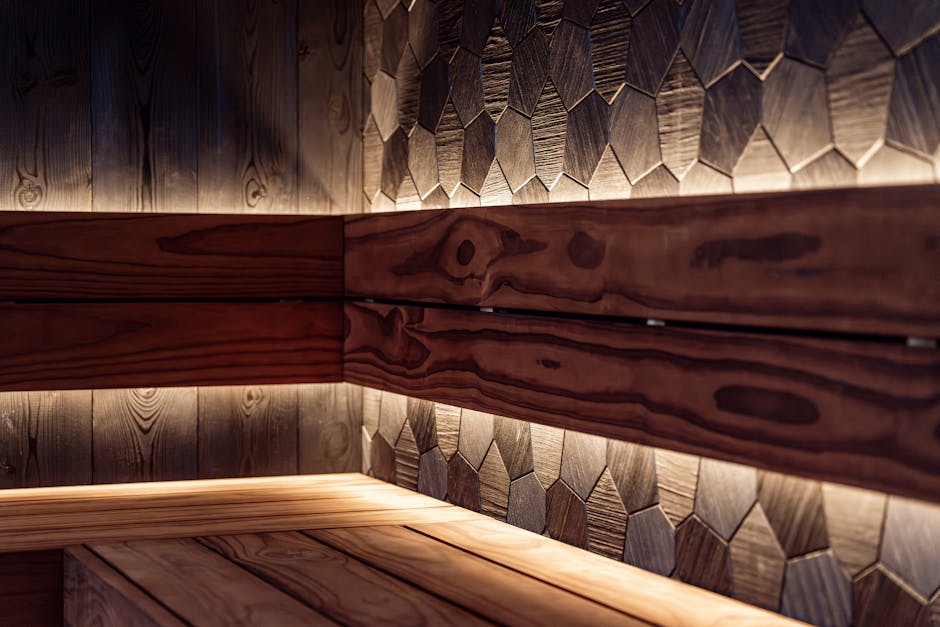
Twelve Dollars and Nowhere to Be
At 11 PM on a Friday in Seoul, while the bars of Gangnam and Hongdae fill with their weekend crowds, a different kind of gathering is happening at Dragon Hill Spa in Yongsan. Families in matching pajama sets eat baked eggs in a Himalayan salt room. A group of university students watches a Korean drama on a communal screen while sprawled on heated floors. A businessman who missed the last train home is already asleep on a mat in the nap area, his shoes stored in a locker and his work anxieties temporarily suspended. A couple soaks in an outdoor tub on the rooftop, the steam rising against the skyline of a city that rarely stops but, in this moment, has slowed to the pace of warm water and conversation. Admission was ₩15,000 ($11.30), and for that price, they can stay until morning.
Jjimjilbang (찜질방, literally "heated room") is the Korean word for a specific type of public bathhouse that combines traditional Korean bathing culture with modern sauna facilities, sleeping areas, entertainment zones, and food service. The concept isn't unique to Korea—Japanese onsen and sentō, Turkish hammams, Finnish saunas, and Roman thermae all share DNA—but the jjimjilbang has evolved into something more socially comprehensive than any of its international relatives. A full-service jjimjilbang isn't just a place to bathe; it's a third place in the sociological sense, a space between home and work where social life happens without commercial pressure, appointment scheduling, or the performance of identity that bars and restaurants require.
How It Works
The standard jjimjilbang experience follows a sequence that's consistent enough to describe as a protocol. You enter, pay admission (typically ₩12,000-20,000 / $9-15 on weekdays, slightly more on weekends), receive a locker key on an elastic wristband, and are issued a set of pajama-like clothing in a color that indicates your gender (usually pink for women, blue or grey for men, though some progressive facilities have moved to unisex colors). You change in the gender-segregated locker room, store your belongings, and proceed to the bathing area—also gender-segregated—where you shower thoroughly before entering the communal pools. The bathing etiquette is unambiguous: you are naked, everyone else is naked, and the adjustment period is shorter than you think. Within ten minutes, the vulnerability that Westerners initially feel in communal nudity gives way to an extraordinary sense of physical ease that clothed social spaces simply cannot produce.
The bathing area typically includes pools at various temperatures (cold, warm, hot, sometimes scalding), specialty tubs (herbal baths, mineral baths, jade baths), a steam room, and a dry sauna. The temperature range forces your body through thermal cycles—expansion in hot water, contraction in cold—that produce a physiological relaxation response deeper than any single-temperature experience. Korean bathing tradition emphasizes vigorous scrubbing with an Italy towel (a coarse green exfoliating mitt), either self-administered or performed by a professional scrubber (ttaemiri) for an additional ₩20,000-30,000 ($15-22). The scrubbing experience is aggressive, occasionally painful, and revelatory—you will be astonished at the quantity of dead skin that comes off your body, and you will feel cleaner afterward than at any point in your adult life.
The Communal Zones
After bathing, you change into your provided pajamas and enter the communal zones that distinguish a jjimjilbang from a simple bathhouse. These zones are co-ed and family-friendly, and they typically include: jimjil rooms (themed heated rooms at various temperatures, with options like salt rooms, charcoal rooms, ice rooms, and jade rooms), a large communal sleeping area with mats and pillows, a snack bar or restaurant, and entertainment areas with TVs, comic books, and sometimes PC gaming stations. Dragon Hill Spa in Seoul, one of the largest operations, adds a swimming pool, a golf practice range, a cinema room, and a rooftop terrace with outdoor pools. Siloam Spa in Seoul Station area includes an entire floor dedicated to sleeping, with semi-private pods that function as a budget hotel.
The Best Jjimjilbangs in Seoul
Dragon Hill Spa (용산, Yongsan) is the most famous and the most comprehensive, spread across seven floors with enough facilities to justify spending an entire day. The entrance fee of ₩20,000 ($15) on weekends is higher than average but includes access to everything except the ttaemiri scrub and food. The rooftop outdoor pool area is the highlight—soaking in hot water on the rooftop while looking out at the Yongsan skyline is an experience that justifies the reputation. The food court serves quality Korean dishes (bibimbap, tteokbokki, ramyeon) at fair prices, and the baked eggs (maekbanseok gyeran), cooked slowly in the sauna room until the shells turn brown and the whites become slightly sweet, are a jjimjilbang signature food that you should try at least once.
Spa Land in Busan, while technically outside Seoul, deserves mention as arguably the best jjimjilbang in Korea. Located inside the massive Shinsegae Centum City department store (itself the world's largest department store by floor area), Spa Land offers 22 themed sauna rooms, a Roman-bath-inspired main pool area, and a level of design quality that makes Dragon Hill feel dated. Admission is ₩18,000 ($13.50) on weekdays and the aesthetic is closer to a luxury spa than a traditional bathhouse, but the communal jjimjilbang culture is intact: families sleeping on the heated floors, friends chatting in the salt rooms, strangers sharing space with the comfortable anonymity that pajamas and absence of phones provide.
Why Jjimjilbang Matters
The jjimjilbang addresses several problems that modern urban life creates but rarely solves. The first is physical touch deprivation—in a culture where casual physical contact between adults is limited, the communal bathing experience normalizes bodily proximity in a non-sexual, non-threatening context. The second is loneliness—the jjimjilbang provides a social environment where you can be alone in public, which is fundamentally different from being alone at home. You're surrounded by people, warmed by their presence, but under no obligation to interact. The third is the chronic sleep deficit that plagues Korean society—jjimjilbangs are one of the few socially acceptable places where a Korean adult can sleep in the middle of the day without judgment, and the heated floors provide a quality of rest that many people describe as superior to their own beds.
For visitors, the jjimjilbang offers something that tourist attractions cannot: participation in a Korean cultural practice rather than observation of one. Sitting in a salt room at Dragon Hill on a Saturday night, eating a baked egg and watching a family argue about which drama to watch on the communal screen, you are not a tourist consuming an experience. You are a person, in pajamas, doing the same thing that the people around you are doing, in a space that treats everyone identically regardless of age, income, nationality, or the quality of their swimwear. That radical equality—enforced by nudity in the baths and by matching pajamas in the communal areas—is the jjimjilbang's quiet, profound gift, and it's available for twelve dollars to anyone willing to take their clothes off and sit down.