Sheung Wan: Hong Kong's Most Layered Neighborhood
Walk three blocks in Sheung Wan and you'll pass a dried seafood shop that's been open since 1952, a specialty coffee roaster, a temple wreathed in coil incense, and a gallery showing video art. No other neighborhood in Hong Kong compresses so much time into so little space.
Where Every Block Is a Time Machine
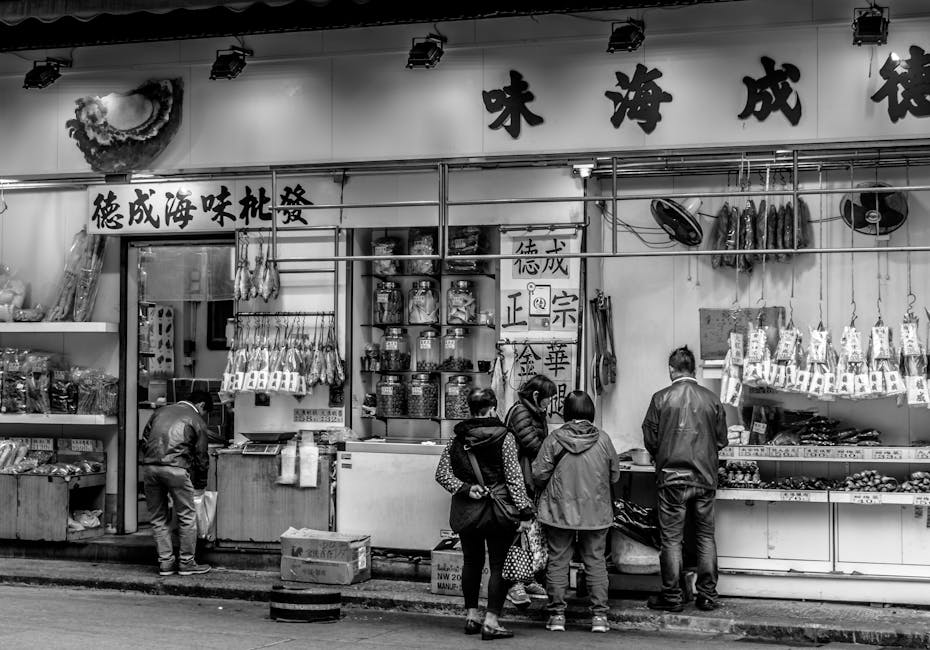
Sheung Wan occupies the western edge of Hong Kong Island's northern shore, roughly between Central's glass towers and the working waterfront at Western District. It's a small neighborhood—you can walk its length in twenty minutes—but the density of historical layers compressed into those twenty minutes is extraordinary even by Hong Kong standards. Des Voeux Road, the main east-west artery, carries trams past dried seafood wholesalers whose shopfronts display shark fin, abalone, and sea cucumber in quantities that suggest the ocean is a warehouse. One block uphill, Hollywood Road runs through the city's antique and gallery district, where shops selling Ming dynasty ceramics alternate with contemporary art spaces showing works that would hold their own in Basel. Another block up, and you're at Man Mo Temple, which has been filling Sheung Wan's air with sandalwood incense smoke since 1847, its giant spiral coils hanging from the ceiling like fragrant, smoldering chandeliers.
This layering—not just preserved but actively functioning—is what makes Sheung Wan irreplaceable. Other Hong Kong neighborhoods have history (Tai O, Stanley) or culture (Sham Shui Po, Yau Ma Tei) or commerce (Central, Causeway Bay), but Sheung Wan manages all three simultaneously, on every block, without apparent effort or contradiction. The dried seafood shop and the specialty coffee roaster are not in tension; they're neighbors, serving different customers who share the same sidewalk, and neither is more "authentic" than the other because both are equally real expressions of what this neighborhood is right now.
The Trades That Persist
Sheung Wan's traditional trade streets are among the most fascinating commercial landscapes in any Asian city. Des Voeux Road West, between Sheung Wan and Sai Ying Pun MTR stations, is the center of Hong Kong's dried seafood trade—a industry worth over HK$3 billion ($384 million) annually that supplies restaurants, home cooks, and traditional medicine practitioners across the Pearl River Delta. The shops here sell dried abalone (HK$500-10,000 per piece depending on size and origin), dried scallops (HK$800-2,000 per catty), bird's nest (HK$10,000-80,000 per catty), and fish maw in grades that reflect quality differences invisible to the uninitiated but critically important to buyers.
Walking Des Voeux Road West is an education in a trade most visitors know nothing about. The shop owners, many of whom are second or third-generation dealers, can identify the origin and quality of a dried scallop by sight and smell, and the pricing reflects a grading system as complex as the diamond industry's. The smell of the street—a concentrated, salty, marine aroma that's either fascinating or overwhelming depending on your constitution—is Hong Kong's most distinctive neighborhood scent and one of those sensory experiences that no photograph or description can prepare you for.
Beyond seafood, Sheung Wan houses clusters of traditional trades that survive through specialization rather than nostalgia. Bonham Strand West has shops selling Chinese herbs and traditional medicine ingredients. Wing Lok Street was historically the hub of the nam pak hong (import-export) trade. Ko Shing Street, colloquially known as "Herbal Medicine Street," lines up dozens of traditional pharmacies where practitioners prescribe herbal formulations from behind wooden counters stacked with drawers labeled in classical Chinese characters.
The Incense and Paper Shops
Possession Street and the lanes around Queen's Road West hold shops specializing in joss paper—elaborate paper models of houses, cars, clothing, and luxury goods designed to be burned as offerings to ancestors. The craftsmanship in these shops is remarkable: paper iPhones, paper Hermès bags, paper Mercedes-Benz sedans, all constructed with obsessive attention to detail because the quality of the offering matters to both the giver and the spiritual recipient. A paper iPhone costs HK$50, a paper mansion can run HK$500, and the shops do brisk business during Qingming Festival and the Ghost Festival. Whether you find this tradition touching, fascinating, or unsettling, the paper shops represent a commercial art form that exists nowhere else in this form and that Sheung Wan has sustained through changing economic conditions and shifting spiritual practices.
Where to Eat
Sheung Wan's food scene operates on two tiers that rarely interact. The first tier is the traditional Cantonese restaurants and noodle shops that have served the neighborhood's working population for decades. Lin Heung Tea House on Wellington Street (technically in Central but functionally part of the Sheung Wan orbit) is the last remaining old-style dim sum restaurant in the area, where metal carts push through narrow aisles, the aunties announce dishes by shouting rather than gesturing, and the har gow at HK$38 per basket are steamed to a translucent perfection that newer restaurants achieve only intermittently. Kau Kee Restaurant on Gough Street has been serving beef brisket noodles and curry since 1922, with a line that extends down the street at lunch and a bowl of brisket tendon noodles for HK$52 that delivers more flavor per dollar than most restaurants at ten times the price.
The second tier is the contemporary restaurant and cafe scene that's colonized Sheung Wan's upper streets over the past decade. Potato Head, in a converted shophouse on Tai Ping Shan Street, serves Indonesian-inspired sharing plates and cocktails in a space designed by Sou Fujimoto. Barista Jam, on Jervois Street, is one of Hong Kong's best specialty coffee shops, with pour-overs for HK$55 and a staff that takes brewing seriously without taking themselves seriously. Mana! Fast Slow Food on Wellington Street does a weekday vegetarian buffet for HK$98 that would be considered a bargain in any city and is practically charitable in Hong Kong's restaurant economy.
Walking Sheung Wan
The best way to experience Sheung Wan is on foot, following the slope. Start at the MTR station exit on Des Voeux Road and walk south (uphill), passing through the commercial layers in sequence: dried seafood on Des Voeux Road, fabric shops and printing businesses on Wing Lok Street, antiques and galleries on Hollywood Road, temples and residential streets on Caine Road. The slope is constant and occasionally steep—Sheung Wan is built on the hillside that rises from the harbor to the Peak—but the vertical geography means that every street offers a different elevation, a different view, and a different character.
The staircase streets—ladder streets, technically—are Sheung Wan's secret circulatory system. These narrow stone staircases connect upper and lower streets with shortcuts that aren't marked on most maps and that function as pedestrian highways for residents who've memorized the fastest routes between home, work, and the MTR. Ladder Street itself, connecting Hollywood Road to Queen's Road Central, is the most famous, but there are dozens of others, each with its own character. Some pass through residential blocks, offering glimpses into apartment windows and rooftop gardens. Others emerge into commercial streets that you didn't know were there. All of them enforce the pedestrian pace that Sheung Wan rewards—a pace slow enough to notice the incense shop that's been open since before anyone in your family was born, and fast enough to arrive at the gallery opening before the free wine runs out.
Sheung Wan is changing, as every Hong Kong neighborhood is changing, and the direction of change involves the gradual replacement of traditional businesses with cafes, bars, and creative offices that serve a younger, wealthier, more international clientele. The dried seafood shops are closing at a rate of roughly five per year, replaced by operations that pay higher rent for smaller footprints. Man Mo Temple still burns its incense, but the surrounding blocks have transformed from residential streets to restaurant rows. Whether this represents natural evolution or cultural loss depends on where you stand, literally and figuratively. From the temple's interior, surrounded by century-old smoke, the change feels like loss. From the rooftop bar two blocks away, cocktail in hand, the temple smoke drifting past the terrace, it feels like Hong Kong doing what Hong Kong has always done: accumulating layers without discarding the ones beneath.