Shimokitazawa: Tokyo's Most Stubbornly Independent Neighborhood
While Shibuya and Shinjuku chase the future, Shimokitazawa digs in its heels and refuses to become anything other than itself.
A Neighborhood That Fought Back
Stand at the south exit of Shimokitazawa station on any Saturday afternoon and you'll notice something unusual for Tokyo: nobody is rushing. A woman in an oversized denim jacket browses a rack of ¥500 vintage t-shirts spilling onto the sidewalk. Two guys carrying guitar cases duck into Bear Pond Espresso without checking their phones first. A cat sleeps on a concrete ledge above a used bookshop, completely unbothered by the cluster of tourists trying to photograph it. This is Shimokitazawa—Shimokita to anyone who's spent more than a day here—and it operates on its own clock, at its own tempo, answering to nobody in particular.
What makes this neighborhood remarkable isn't just the aesthetic, though the aesthetic is undeniably good. It's the fact that Shimokitazawa almost didn't survive. When Odakyu Electric Railway announced plans to send the train tracks underground and redevelop the station area, residents organized fiercely. They didn't want another Roppongi Hills. They didn't want glass towers and chain restaurants replacing the cramped, winding streets that gave the area its character. The compromise took years, but the result is the partially completed Shimokita development—a series of low-rise wooden structures, community gardens, and independent shops that feel like they grew organically rather than being designed by a committee. The micro-complex called Bonus Track, which opened in 2020, houses a curated mix of bookshops, cafes, and a sake bar in buildings that deliberately look temporary, as if the neighborhood might reclaim the space at any moment.
Where to Eat Without Consulting a Guidebook
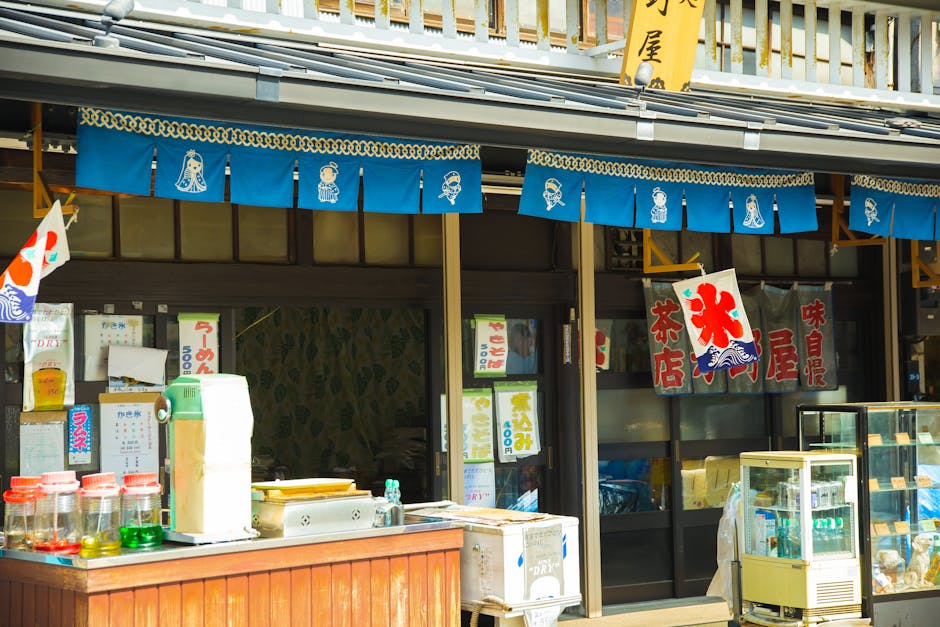
Shimokitazawa's food scene is deeply personal and wildly inconsistent in the best way. You could eat here every day for a month and never repeat a meal, but you could also stumble into a place that serves reheated convenience-store-grade pasta and charges ¥1,200 for the privilege. The trick is knowing where the locals actually go, which usually means following the line or looking for the restaurant with the most weathered noren curtain.
Start with curry, because Shimokita is arguably Tokyo's curry capital—a claim that Kanda and Jimbocho would dispute, but they'd be wrong. Curry Spice Gelateria Kalpasi, tucked on a second-floor space you'd walk past three times without noticing, serves South Indian-inspired curry plates with pickles and chutneys that change weekly. A plate runs about ¥1,500 and the flavors are layered in a way that makes you reconsider every other curry you've eaten. The line gets serious by 11:30, so arriving at 11:00 is not being early—it's being strategic. For something heavier, General Curry at the north end does a rich, dark Japanese-style curry with a fried pork cutlet that could anchor a ship. It's ¥950 and worth every yen.
Beyond curry, the neighborhood delivers excellent Chinese food at Kouryu, where the gyoza have been hand-folded and pan-fried to crispy perfection since the 1950s. The interior seats maybe twenty people, the walls are yellowed from decades of steam, and the gyoza cost ¥290 for six. You will order a second plate. For a more modern experience, Ballon d'Essai does French-Japanese small plates in a space barely bigger than a walk-in closet, with natural wines starting at ¥800 a glass and a chef who trained at some Michelin-starred place in Osaka before deciding he'd rather cook for twelve people at a time.
The Vintage Economy
Shopping in Shimokitazawa is less about finding a specific item and more about surrendering to the chaos of discovery. The neighborhood houses more vintage and secondhand clothing shops per square meter than anywhere else in Tokyo, and possibly anywhere else in Asia. Estimates put the number north of 100, though nobody has managed an accurate count because new ones open in converted apartments and old ones disappear overnight when leases expire.
The anchor shops are well-known: Flamingo and its offshoot Flamingo Vintage House stock American and European vintage with a focus on denim, leather, and workwear, with prices ranging from ¥3,000 for a basic flannel to ¥50,000 for a rare Levi's 501 from the 1960s. Stick Out, on the south side, specializes in 1990s streetwear and band tees—the kind of shop where you might find a genuine Nirvana tour shirt for ¥8,000 sitting next to a pile of no-name graphic tees at ¥500 each. The real treasures, though, are the unmarked shops on the second and third floors of buildings you wouldn't otherwise enter. There's a place on the street behind Village Vanguard—no sign, just a door propped open with a milk crate—that sells kimonos repurposed into jackets and bags. The owner is there maybe four days a week, maybe three, and she doesn't accept credit cards. The jackets start around ¥12,000 and they're extraordinary.
Beyond Clothing
The secondhand culture extends far beyond fashion. Disk Union's Shimokita branch is a pilgrimage site for vinyl collectors, with floors dedicated to jazz, punk, city pop, and an improbable amount of progressive rock. Flash Disc Ranch across the street is smaller and scrappier, with bins of ¥100 records that reward the patient digger. For books, there's Darwin Room, which isn't exactly a bookshop—it's part natural history museum, part cafe, part used bookstore, with taxidermied animals sharing shelf space with first-edition Japanese nature writing. It shouldn't work, but it does, beautifully.
After Dark
Shimokitazawa's nightlife reputation was built on live music, and it still delivers on that front even as rising rents have squeezed some venues. Shelter, the legendary basement club that's hosted underground electronic and punk acts since 1991, continues to pack its 200-capacity room on weekends with cover charges usually between ¥2,000 and ¥3,000 including a drink. The sound system is absurdly good for a space this small, and the intimacy means you're never more than fifteen feet from the performer. Three, another basement venue nearby, focuses on indie rock and experimental music, with a booking policy that favors bands who haven't yet figured out they're brilliant.
If live music isn't your thing, the bar scene is equally distinctive. Mother serves cocktails in a space decorated entirely with vintage toys and movie memorabilia—imagine drinking a perfectly made Old Fashioned while a life-size Alien xenomorph looms over the bar. It sounds gimmicky, but the drinks are genuinely excellent and the bartender has been there for over a decade. Trouble Peach, a newer addition on the north side, does natural wines and small plates in a space that feels more Williamsburg than Tokyo, which is either a compliment or a criticism depending on your tolerance for exposed brick and Edison bulbs. The wine list is thoughtful, though, with bottles from ¥4,000 and glasses from ¥900, and the staff actually knows what they're pouring.
Getting There and Getting Lost
Shimokitazawa sits on both the Odakyu Line and the Keio Inokashira Line, making it roughly seven minutes from Shinjuku and three minutes from Shibuya—close enough to be convenient, far enough to feel like an escape. The station renovation, completed in stages between 2019 and 2022, added a second exit and a small public plaza, but the neighborhood's street layout remains deliberately confusing. There's no grid, no main boulevard, no logical organization. Streets curve, dead-end, pass through buildings, and occasionally lead to staircases that climb to rooftop gardens you didn't know existed.
This disorientation is the point. Shimokitazawa rewards wandering in a way that few Tokyo neighborhoods still do. The places worth finding aren't on Google Maps—or they are, but with incorrect hours and no photos. The best afternoon you can spend here starts at Bear Pond for an espresso (cash only, and the owner will not make you an Americano because he considers it a waste of good coffee), continues through whatever vintage shops catch your eye, includes curry at wherever doesn't have an impossible line, and ends at a bar where the bartender remembers what you drank last time. Whether that was last week or last year doesn't seem to matter. In Shimokitazawa, time works differently, and nobody's in a hurry to fix that.