Summer in Tokyo: A Survival Guide That's Also a Love Letter
July in Tokyo will try to kill you with humidity. It will also hand you a bowl of kakigori, point you toward a fireworks festival, and dare you to complain.
The Humidity Disclaimer
Before we discuss the considerable pleasures of summer in Tokyo, an honest warning: Tokyo in July and August is among the most physically uncomfortable major cities on Earth. The average temperature hovers around 30-33°C (86-91°F), which sounds manageable until you factor in humidity levels that regularly exceed 80%, creating a heat index that approaches 40°C (104°F) and a physical sensation best described as wearing a warm, damp towel as a second skin. The air is thick enough that you can feel it on your face when you step outside, and the transition from an aggressively air-conditioned interior (set to 25°C by government recommendation, though many buildings cheat lower) to the outdoor heat produces a thermal shock that your body never fully adjusts to, no matter how many summers you spend in the city. You will sweat through your clothes before noon. You will carry a hand towel everywhere. You will develop strong opinions about which convenience stores have the best air conditioning. This is normal.
With that established: summer is Tokyo's best season, and I will defend this position against anyone who prefers the polite beauty of cherry blossom season or the mild competence of autumn. Summer is when Tokyo drops its reserve. The city's emotional register, which spends most of the year in a narrow band between composed and quietly pleased, expands in summer to include rowdy, ecstatic, nostalgic, melancholy, and drunk—sometimes all within the span of a single fireworks festival. The heat is the price of admission. What you get for paying it is Tokyo at its most alive.
Hanabi Season: Fire in the Sky
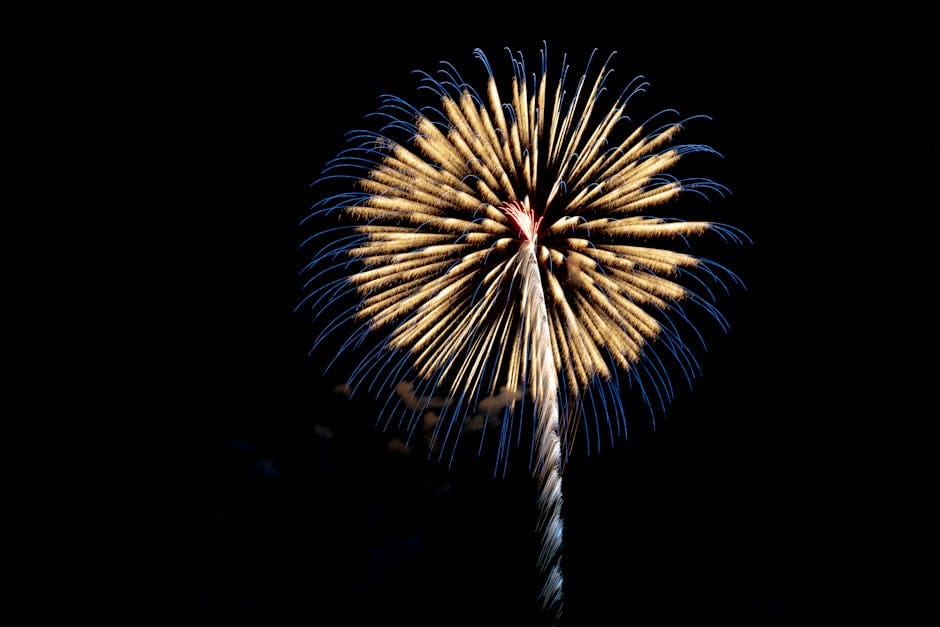
Japanese fireworks festivals (hanabi taikai, literally "fire flower gatherings") are not the casual municipal displays that most Western cities stage on national holidays. They are elaborately choreographed performances lasting sixty to ninety minutes, incorporating tens of thousands of shells designed to bloom in specific shapes—chrysanthemums, peonies, willows, spirals, and increasingly complex figurative designs including emoji, characters, and brand logos (the commercialization is real but not yet dominant). The largest festivals—Sumida River (late July, approximately 20,000 shells), Edogawa (early August, 14,000 shells), and Itabashi (August, 12,000 shells)—draw crowds of 800,000 to over a million people each, transforming the riverbanks and surrounding neighborhoods into open-air gatherings of a scale that's difficult to process.
The Sumida River Fireworks Festival, held on the last Saturday of July between the Sakurabashi and Komagatabashi bridges, is the oldest (since 1733) and most prestigious. Arriving early is essential—serious attendees stake out spots along the riverbank by 3 PM for a 7:00 PM start—and the atmosphere during the hours of waiting is itself a celebration. Families spread blue tarps and unpack elaborate bento boxes. Groups of friends in yukata (summer cotton kimono) pass cans of beer and fans. Street food vendors line the approach routes, selling yakisoba, takoyaki, kakigori (shaved ice), and chocolate bananas with the efficiency of an army supply chain. The fireworks, when they begin, are genuinely spectacular: the shells burst directly overhead, their reflections doubling in the river below, and the crowd responds with the Japanese audience's characteristic exclamation—"Tamaya!" or "Kagiya!"—the names of the historical fireworks-making families whose rivalry produced the tradition.
Smaller Festivals, Better Experiences
The major hanabi festivals are extraordinary but logistically punishing—the crowds, the heat, and the post-event scramble for trains test even patient Tokyo residents. The better strategy for visitors might be the smaller neighborhood festivals, which offer the same pyrotechnic quality at human scale. The Jingu Gaien Fireworks Festival (mid-August, Meiji Jingu area) is ticketed, which limits the crowd and allows a more relaxed viewing experience. Setagaya Tamagawa Fireworks (October, technically autumn) takes place along the Tamagawa River in a residential area where the crowd is local and the atmosphere is neighborly. And dozens of smaller displays happen throughout July and August at shrines, parks, and riverbanks across the city, often announced only in local ward newsletters—ask any Japanese colleague or neighbor and they'll know the schedule for their area.
Kakigori: The Cold That Saves You
Kakigori—Japanese shaved ice—is summer's great equalizer. The concept is simple: a block of ice is shaved into a fluffy, snow-like mound and drenched in flavored syrup. The execution, at the best shops, elevates this simple concept to something approaching art. Unlike the coarse, crunchy shaved ice common in other countries, Japanese kakigori is shaved from blocks of pure, slow-frozen ice that produce flakes so fine they dissolve on contact with your tongue, creating a sensation closer to eating flavored snow than eating ice.
The kakigori renaissance has produced a generation of specialty shops where the ice is hand-shaved, the syrups are made from fresh fruit rather than artificial flavoring, and the toppings include condensed milk, mochi, red bean paste, and seasonal fruits. Himitsudo in Yanaka, which operates only in summer and draws lines that wrap around the block, serves a strawberry kakigori for ¥1,000 that uses locally sourced strawberries pureed into a syrup of intense, concentrated berry flavor poured over ice so fine it collapses under the weight of a spoon. Yelo in Roppongi does kakigori year-round in a dark, bar-like setting, with combinations like roasted tea and kinako (roasted soybean powder) or mango and passion fruit that push the format toward dessert cocktail territory. Even convenience stores get in on the act—7-Eleven's ¥250 kakigori cups are surprisingly good emergency cooling devices when the heat becomes non-negotiable.
Beer Gardens and Rooftop Escapes
Tokyo's department store rooftop beer gardens are a summer institution that predates the global rooftop bar trend by decades. Isetan in Shinjuku, Takashimaya in Nihonbashi, and Mitsukoshi in Ginza all open rooftop beer gardens from May through September, offering all-you-can-drink packages for ¥3,500-5,000 over two hours, accompanied by food ranging from edamame and yakitori to more ambitious menus with grilled meats and seasonal salads. The atmosphere is joyful and sweaty—hundreds of office workers, still in their work clothes, drinking beer in the open air above a city that looks its best when seen from above with a slight buzz.
The beer garden at the Meiji Jingu Gaien area, set among the trees near the baseball stadium, is the most atmospheric—the greenery provides a degree of natural cooling, the setting feels parklike rather than urban, and the proximity to Gaienmae station makes the inevitable post-beer train ride home straightforward. For something more curated, the craft beer scene has colonized rooftops as well: Spring Valley Brewery in Daikanyama offers a rooftop terrace with house-brewed beers at ¥800-1,200 per pint, and the quality is good enough to justify the premium over the department store all-you-can-drink options.
Surviving Practically
Practical summer survival in Tokyo involves a kit that Japanese residents assemble instinctively and visitors discover through suffering. The hand towel (tenugui) is essential—a thin cotton cloth carried in the pocket and used to wipe sweat from the face, neck, and hands approximately every fifteen minutes. Cooling sheets (hieyashi-to), available at every convenience store and drugstore for ¥300-500, are adhesive patches infused with menthol that you stick to your forehead or the back of your neck for a cooling effect that lasts two to three hours. Portable fans—battery-operated handheld devices that look like props from a science fiction movie—are carried without embarrassment by people of all ages and genders. And the concept of "cooling spots" (suzushii basho) shapes daily navigation: knowing which buildings have the strongest air conditioning, which parks have shade, and which underground shopping arcades provide relief becomes practical survival knowledge by mid-July.
The trains deserve specific mention because they represent summer's cruelest irony. Tokyo's train cars are air-conditioned to a temperature that feels Arctic after the platform heat, which means your sweat-soaked shirt goes from uncomfortably warm to uncomfortably cold within thirty seconds of boarding. The solution—carry a light jacket for train rides—is one of those pieces of advice that sounds absurd until you've experienced the full thermal cycle and realized that the absurdity is the situation, not the response. Pack the jacket. Your shivering future self will thank you.