Taipei's Indie Cafe Scene Doesn't Care If You've Heard of It
Seoul has scale, Tokyo has precision, but Taipei has something rarer: a cafe culture that genuinely doesn't care whether you found it on Instagram or by accident.
The Apartment Cafe Phenomenon
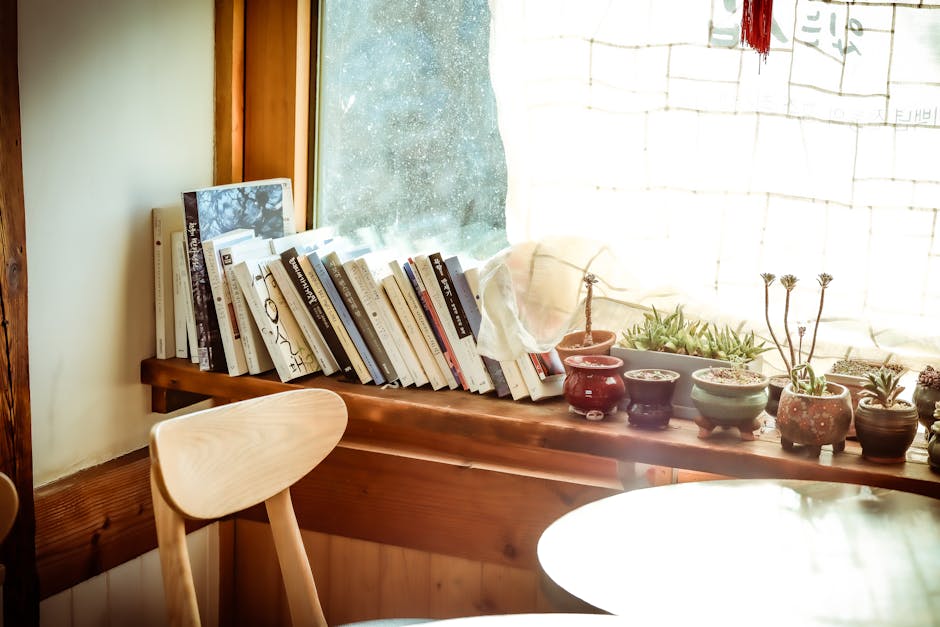
Somewhere in Taipei's Da'an district, on the third floor of a residential building distinguishable from its neighbors only by a hand-lettered sign the size of a postcard, a woman is brewing coffee for six people. The space used to be her apartment. The living room is now the seating area, with mismatched chairs and a table made from a repurposed door. The kitchen is the bar, with a two-group espresso machine that cost more than the security deposit. The bedroom is a reading room stocked with books in Mandarin, Japanese, and English. The balcony holds four chairs that overlook an alley where somebody is drying laundry and a cat is sleeping on a scooter seat. A flat white costs NT$140 ($4.30), the pastries are from a bakery two blocks away because the kitchen isn't equipped for ovens, and the whole operation is technically illegal under Taipei's commercial zoning laws, which everyone including the building inspector has decided to not enforce because the alternative is another empty apartment in a city where vacancy rates in residential buildings hover around 11%.
This isn't a single cafe—it's a category. Taipei has dozens, possibly hundreds, of apartment cafes operating in residential buildings across the city, concentrated in the Da'an, Zhongshan, Songshan, and Wenshan districts. They range from one-person operations like the one described above to more established businesses that have negotiated actual commercial permits and renovated their spaces accordingly. What they share is an intimacy of scale and a personal vision that chain cafes and even most independent shops can't replicate. When one person decides how the space looks, what music plays, which beans to brew, and whether dogs are welcome (they always are), the result is a place with genuine personality rather than curated atmosphere.
The Essential Stops
Fujin Tree 353 Cafe in Songshan, though more established and visible than a true apartment cafe, exemplifies the aesthetic that Taipei's indie scene aspires to. The space occupies a Japanese-era wooden house on Fujin Street, a tree-lined residential road that feels more Kyoto than Taipei, with tatami-floored rooms, a garden courtyard, and a menu that treats coffee and tea with equal seriousness. A hand-drip coffee costs NT$180, a pot of Oriental Beauty oolong costs NT$200, and the unhurried service style means you'll be there for at least an hour, which is exactly the right amount of time.
For something smaller and stranger, Ruins Coffee Roasters in Wanhua district operates from a building that looks genuinely abandoned—crumbling concrete exterior, plants growing through the walls, a staircase that creaks with the conviction of something about to fail. Inside, the renovation is minimal and intentional: the decaying walls are left exposed, the furniture is salvaged, and the coffee is excellent, roasted in-house on a small-batch roaster visible from the bar. A pour-over costs NT$150, an espresso NT$120, and the contrast between the building's exterior and the precision of the coffee program is the entire point. Ruins has become Instagram-famous, which complicates its identity as a hidden gem, but the coffee quality justifies a visit regardless of how many people have already photographed the walls.
The Second Wave Still Lives
Taipei's indie cafe scene exists alongside a robust traditional coffee culture that predates the specialty movement by decades. Shops like Ming Yue Coffee on Zhongshan North Road have been serving siphon-brewed coffee since the 1990s, in dark-wood interiors with jazz playing softly and ashtrays on every table (smoking is now banned indoors, but the ashtrays remain as artifacts). These cafes use blends rather than single-origins, roast darker than current fashion dictates, and serve their coffee with an attention to brewing ritual that specialty baristas would recognize as kindred. A siphon coffee at Ming Yue costs NT$180 and arrives in a cup and saucer on a tray with a small cookie—touches that specialist shops have abandoned in favor of ceramic cups and bare wooden counters.
The Yongkang Street Ecosystem
Yongkang Street, famous primarily for Din Tai Fung's original xiaolongbao restaurant, also houses a cafe ecosystem that rewards the visitor who walks past the dumpling lines. The block between Yongkang and Jinhua streets contains at least fifteen independent cafes, each with a distinct identity and overlapping clientele. Cafe Showroom on Yongkang Street itself does specialty coffee in a gallery-like space with rotating art exhibitions. Fika Fika Cafe, a short walk on Yiling Street, is run by a barista who won the Nordic Barista Cup and brings a Scandinavian precision to his brewing that results in some of Taipei's cleanest-tasting filter coffee at NT$160 per cup. Wen Zhou Street, one block south, has a cluster of tea houses that serve traditional Taiwanese oolong in gongfu style—small cups, multiple infusions, the ceremony extending a single pot of tea into a thirty-minute meditation.
The proximity of these cafes creates a circuit that the regulars know well: coffee at Fika Fika in the morning, work at a laptop-friendly spot on Yongkang in the afternoon, tea in the evening. The cumulative spending might be NT$500-600 ($15-18) for a day's worth of beverages and workspace, which is roughly what a coworking day pass costs and comes with better drinks, more character, and the freedom to change venues when your mood or your caffeine tolerance shifts.
What Makes Taipei Different
Taipei's cafe culture diverges from Seoul's in scale and from Tokyo's in formality. Where Seoul's cafe scene is architecturally ambitious and commercially competitive, Taipei's feels domestic—many of the best cafes genuinely are someone's home, or were recently, and they retain the proportions and the warmth of residential space. Where Tokyo's specialty shops operate with a seriousness that approaches laboratory conditions, Taipei's independent cafes tend toward a warmth and looseness that invites lingering. The barista at a Taipei indie cafe is more likely to start a conversation with you than the barista at a Tokyo specialty shop, not because Taiwanese people are friendlier than Japanese people (both cultures are extraordinarily welcoming in different ways) but because the scale of the spaces and the relationship with regulars makes conversation natural.
The tea influence is the other distinguishing factor. Taiwan's oolong tea tradition is among the world's finest, and it inflects the cafe culture in ways both obvious and subtle. Many coffee-focused cafes also serve excellent tea, recognizing that the Taiwanese customer might want a high-mountain oolong in the afternoon after an espresso in the morning. The gongfu brewing method, with its multiple short infusions from a small teapot, encourages the same kind of slow, attentive consumption that specialty coffee culture promotes—which means Taipei had a "mindful drinking" culture centuries before Western wellness influencers coined the phrase.
The cafe scene's biggest threat isn't competition or rent (though both are real pressures) but the declining birth rate that's reshaping Taiwan's entire economy. Taipei's population has been shrinking since 2020, and the demographic base of young, education-focused, cafe-frequenting professionals is narrowing. Whether the city's indie cafe culture can sustain itself with fewer customers—or whether it adapts by drawing from tourism and remote workers—will determine whether the apartment cafe on the third floor of that Da'an building is still there in ten years. For now, it is. The coffee is still good. The cat is still sleeping on the scooter. Nobody is in a hurry to leave.