Thonglor After Dark: Bangkok's Most Exclusive Neighborhood Gets Interesting
Thonglor is where Bangkok's money goes to eat, drink, and be seen — but behind the Porsches and the velvet ropes, there's a food scene of genuine substance.
The Soi of Extremes
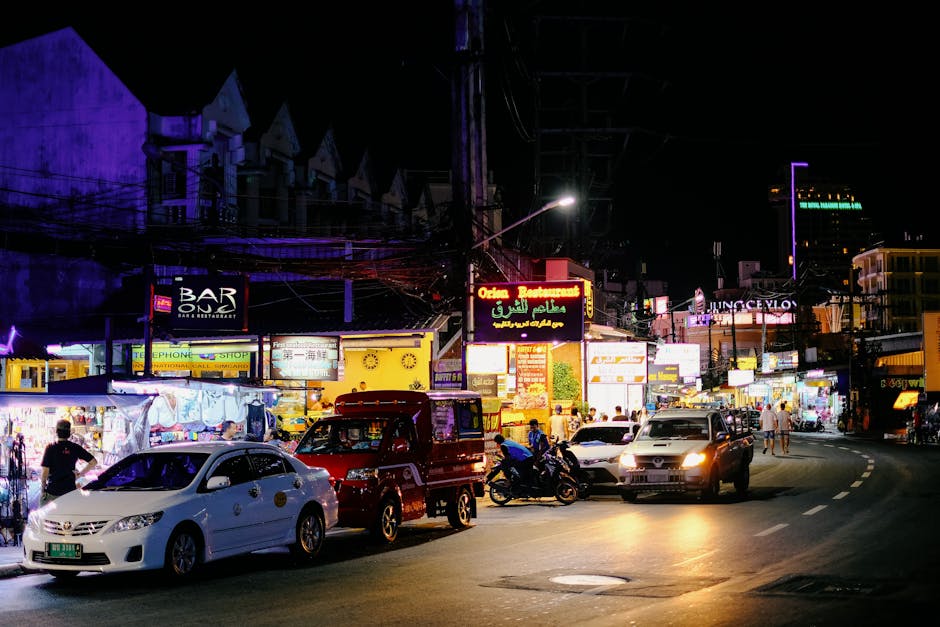
Sukhumvit Soi 55, known universally as Thonglor, runs for about two kilometers from the main Sukhumvit Road intersection to its dead end near Phetchaburi Road, and along this stretch Bangkok concentrates its wealth, its ambition, and its appetite with an intensity that makes neighboring streets look like they belong to a different city. A Lamborghini idles outside a condominium that charges ฿120,000 ($3,430) per month for a two-bedroom unit. Across the street, a vendor sells som tum (papaya salad) from a pushcart for ฿50 ($1.40). This coexistence of extreme luxury and street-level accessibility is Thonglor's defining characteristic, and it produces a dining and nightlife scene that ranges from ฿40 noodle soups to ฿5,000 cocktail experiences, often within the same block.
Thonglor's transformation from a quiet residential soi to Bangkok's most desired neighborhood happened over roughly fifteen years, driven by a combination of Japanese expat settlement (the soi has Bangkok's highest concentration of Japanese residents and restaurants), condominium development that replaced old houses with thirty-story towers, and a restaurant and bar scene that attracted the city's creative and monied classes in roughly equal measure. The BTS Thong Lo station, which opened in 1999, was the catalyst, but the real engine was the clustering effect: once a critical mass of excellent restaurants opened, more followed, and the density of quality created a destination that drew people from across the city.
Where to Eat: The Essential List
Thonglor's restaurant scene is Bangkok's most competitive, which means the quality floor is high and the places that survive more than two years have earned their longevity through genuine excellence. The Japanese restaurants deserve first mention because they're arguably the best collection of Japanese food outside Japan itself. Isao, on Thonglor Soi 17, serves omakase sushi at a 10-seat counter with fish flown in from Tsukiji three times a week. A dinner runs ฿3,500-5,000 ($100-$143) per person and the quality competes with mid-tier Tokyo sushi-ya at roughly half the price. Reservations are necessary at least a week in advance, and the chef's English is limited but his knife work requires no translation.
For Thai food at a level that tourists rarely encounter, Supanniga Eating Room on Thonglor Soi 8 serves recipes from the owner's family in Trat province—eastern Thai cuisine that's distinct from the central Thai and Isaan food that dominates Bangkok menus. The mieng kham (betel leaf wraps with coconut, peanuts, ginger, and a sweet-savory sauce) at ฿180 is the best version in Bangkok, and the gaeng som (sour curry with shrimp and vegetables) at ฿280 has a tartness that cuts through the richness of everything else on the table. Dinner for two with drinks comes to roughly ฿1,500-2,000 ($43-$57), which is expensive by Bangkok standards and an extraordinary value by the standards of any other city serving food this good.
The entry-level eating in Thonglor is just as rewarding. Phed Phed, a tiny Isaan restaurant on Thonglor Soi 3, does laab moo (minced pork salad) for ฿80 that's fiery, funky, and exactly as spicy as it should be—which is to say, aggressively. Kuay Teow Kha Moo (braised pork leg over rice) from the street vendor at the mouth of Soi 13 costs ฿60 and the pork has been braising since dawn, falling apart at the touch of a spoon. These aren't hidden gems—the locals know exactly where they are—but they're the kind of meals that make Thonglor's expensive restaurants seem less essential than they'd like to be.
The Brunch Situation
Thonglor's brunch culture reflects its demographics: young, international, and willing to spend ฿500 on avocado toast if the avocado is good and the Instagram is better. Roast Coffee and Eatery on Thonglor Soi 13 is the anchor of the brunch scene, serving all-day breakfast in a space designed by a firm that clearly studied Williamsburg and Shoreditch before adapting the template for tropical light. The food is actually good—the eggs Benedict with smoked salmon at ฿380 uses real hollandaise and the coffee is sourced from northern Thai farms—but the real draw is the social function: Thonglor brunch is where Bangkok's creative class goes to see and be seen on Sunday mornings, functioning as an informal marketplace for freelance connections, romantic possibilities, and general social calibration.
After 10 PM
Thonglor's nightlife has evolved away from the megaclub model that defined it a decade ago toward smaller, more focused venues that prioritize quality over capacity. Teens of Thailand, a gin bar on Thonglor Soi 13, operates from a narrow shophouse with maybe 30 seats and a menu of original gin cocktails that use Thai botanicals—kaffir lime, lemongrass, pandan, galangal—in combinations that taste distinctly of their place of origin. Cocktails run ฿320-420 ($9-$12), and the bartenders know their ingredients well enough to improvise based on your flavor preferences.
For whisky, the Iron Balls Distillery taproom on Thonglor Soi 10 is Bangkok's most interesting spirits destination. Iron Balls produces gin and vodka distilled in Bangkok from Thai botanicals, and the taproom pours them alongside a curated selection of international spirits in a raw industrial space. The distillery tours, offered on weekends for ฿500 including three tastings, provide genuine insight into the process and are worth the time even if you normally skip distillery tourism.
The late-night scene, post-midnight, shifts to spots that don't advertise their presence particularly loudly. 72 Courtyard, a mixed-use complex on Thonglor Soi 25, houses several bars and clubs that operate until 2 AM or later, with a crowd that skews Thai and wealthy. The cover charges are minimal (฿200-300 including a drink), but the bottle service culture at the tables signals a spending level that's not for everyone. For a more democratic late-night experience, the 7-Eleven at the corner of Thonglor and Sukhumvit functions as Bangkok's most reliable late-night gathering point, where people leaving bars and clubs converge to buy toasted sandwiches, instant noodles, and Chang beer at ฿37 per can—a price point that reminds you, after an evening of ฿400 cocktails, what normal Bangkok costs.
The Thonglor Paradox
The fundamental tension in Thonglor is between exclusivity and accessibility, and both sides are genuine. The neighborhood has restaurants where a dinner for two exceeds ฿10,000 and bars where a bottle of champagne costs more than a month's rent in neighborhoods ten kilometers away. It also has street food that costs less than a dollar, 7-Elevens that never close, and public transportation that puts the entire strip within reach of anyone with ฿47 for a BTS fare. Thonglor is Bangkok's most expensive neighborhood and one of its most democratic, and the two qualities don't cancel each other out—they create a texture that neither exclusively wealthy nor exclusively accessible neighborhoods can achieve. The best evenings in Thonglor start cheap, end expensive, and include enough contrast along the way to remind you that Bangkok's greatest talent isn't luxury or affordability but the ability to contain both on the same street, at the same time, without either feeling out of place.