


What Asian Cities Teach the World About Living Together
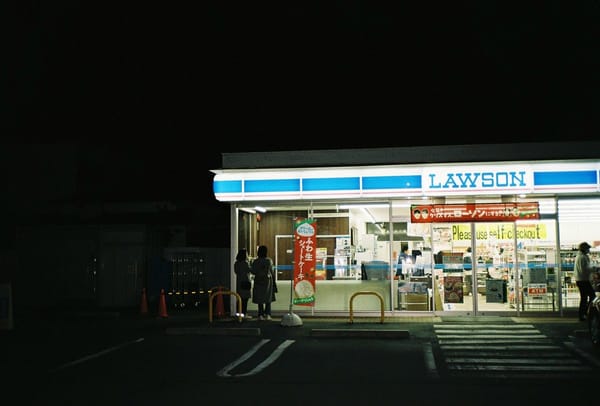
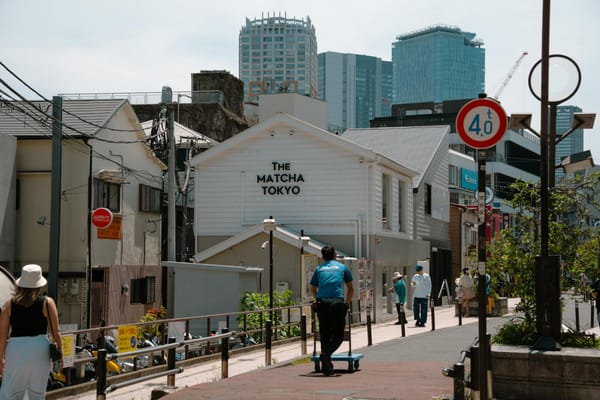
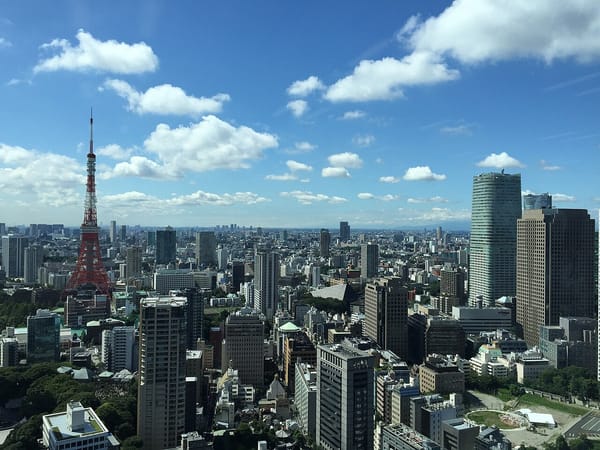
Thirty million people live in greater Tokyo. The trains run on time, the streets are clean, and your neighbor won't play music past 10 PM. This isn't an accident.
The sociologist Ray Oldenburg coined 'third place' for the spaces between home and work where community happens. He should have spent more time in Asian cities.
Coachella gets the press. Fuji Rock gets the rain, the mountains, and the music that you'll still be talking about five years later.
The pet shop window used to be where Asian pet ownership started. Increasingly, it starts at a shelter, a foster home, or a social media post about a dog that needs a second chance.
The food hall of 2025 serves you dinner cooked by a robot, paired by an algorithm, and delivered to a table you reserved through an app you'll never see the inside of.
You don't need a car, a guide, or a plan. Some of Asia's best hikes start at a subway exit and end at a view that makes the climb worth every sweaty step.
Every coworking space has rules on the wall. The rules that actually matter are the ones nobody wrote down because everyone is supposed to already know them.
Singapore is extraordinary for a week. After a month, the neatness becomes a cage. These weekend escapes are how residents remind themselves that chaos can be beautiful.
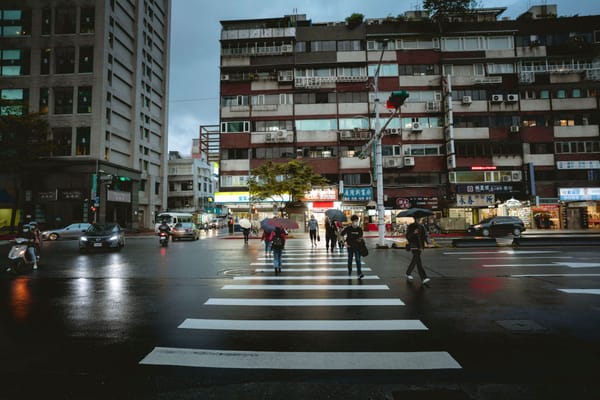
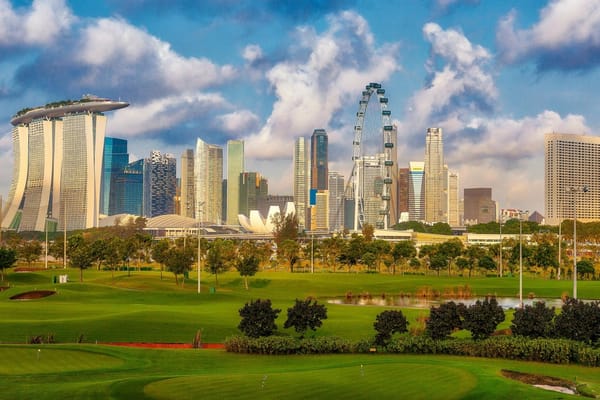
A skyline is a city's autobiography written in glass and steel. Asia's skylines are writing new chapters faster than any other region, and the stories they tell are complicated.
Traveling with a dog in Asia ranges from surprisingly easy to genuinely complicated. Here's where your pet is welcome, where it's tolerated, and where you should make other arrangements.
The Instagram version of Bali has a pool, a laptop, and a sunset. The real version has visa anxiety, infrastructure problems, and a community that's more complicated than any social media feed suggests.
The ฿200 massage parlor near Khao San Road will crack your back and waste your money. A real Thai massage, from a skilled practitioner, will change how your body feels for days.
Wellness
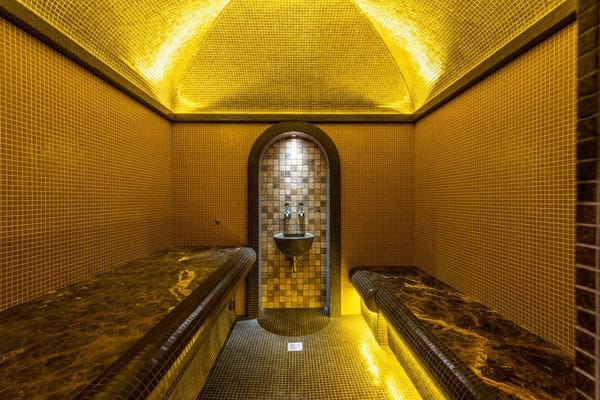
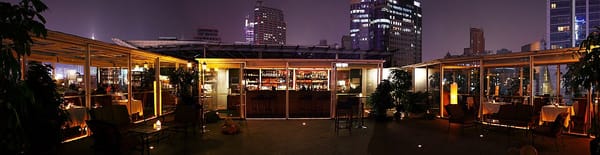
Asian cities are famous for their work ethic. They should be equally famous for the spaces they've created for doing absolutely, gloriously nothing.
Da Nang
Hanoi has history. Ho Chi Minh City has energy. Da Nang has something rarer: a city that actually seems designed for the people who live in it.
Beauty
The 10-step skincare routine was a marketing invention for export markets. What Korean women actually do with their skin is simpler, more scientific, and more interesting.
Design
A 25-square-meter apartment sounds impossible. Millions of Asian city residents make it work daily through design intelligence that the rest of the world should be studying.
Shopping
The promise: Prada at 40% off. The reality: complicated. Here's an honest guide to outlet shopping near Asian megacities.
Transportation
Shenzhen replaced 16,000 diesel buses with electric ones in four years. Bangkok is electrifying its tuk-tuks. The revolution is quieter than you'd expect.
Bangkok
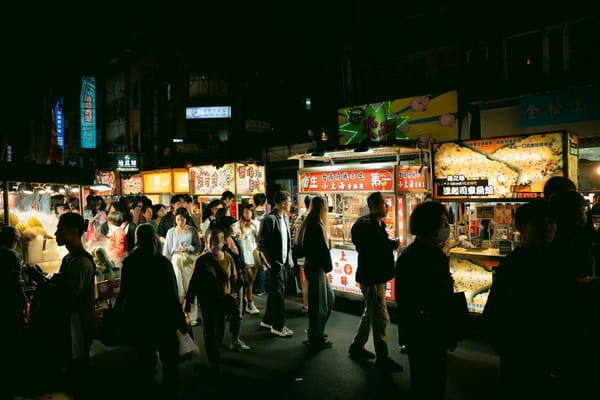
Chatuchak has 15,000 stalls. You have two days. Without a plan, you'll see 3% of the market and spend 80% of your energy on the wrong sections.
Urban Planning
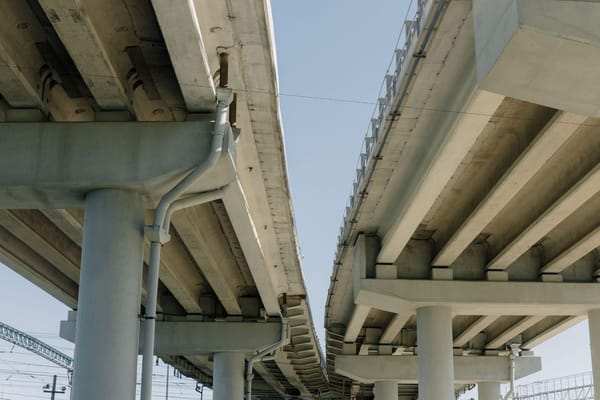
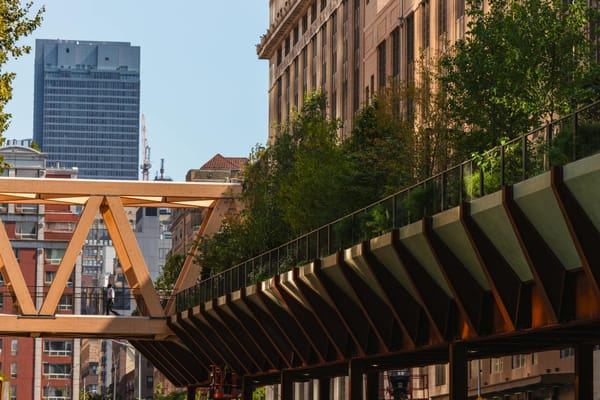
Seoul buried a highway to create a stream. Singapore connected every park with a green corridor. These aren't cosmetic changes — they're rewriting how cities breathe.
Seoul
Most shopping districts close at 10 PM. Dongdaemun opens at midnight. The economics, the energy, and the fashion are all better in the dark.
Music
Tokyo has more jazz clubs than New York. Seoul is building a scene from scratch. Hong Kong is holding on. Here's where to sit, listen, and forget what time it is.
Transportation
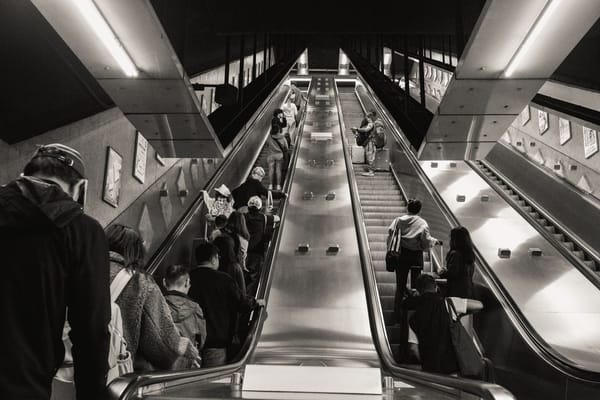
The difference between a tourist and a resident in any Asian city is whether they know which metro card to buy and which exit to use. Here's the cheat sheet.
Fashion
Most 'sustainable fashion' is marketing. These Asian brands are the exception — building supply chains, reviving dying crafts, and producing clothing that lasts.